2026 Outlook for the Watch Industry
Export stabilization, the end of speculation, and a refocus on the product. A comprehensive analysis of the global and Swiss watch markets in 2025.
2026 is expected to follow directly in the footsteps of 2025, but with a clearer and more structured dynamic. Following the normalization phase observed since the end of the post-Covid boom, the global watch industry seems to be entering a more rational cycle, where growth has not disappeared but has become conditional. Speculative excesses have faded, demand has become more refined, and market players are now facing a more demanding reality. Therefore, 2026 is unlikely to be a year of spectacular rebound, but rather a year of confirmation, during which recent strategic choices will be truly put to the test.
Globally, the watch market is expected to remain stable in terms of value, with moderate growth concentrated in the strongest luxury segments. Volumes, on the other hand, are likely to remain under pressure. Consumers seem to have permanently adopted a more selective approach, prioritizing more thoughtful, less frequent, but better-justified purchases. This trend favors brands capable of offering a coherent, identifiable, and credible product range, while penalizing those whose positioning relies primarily on artificial scarcity or marketing narratives disconnected from the product itself.
For Swiss watchmaking, 2026 is shaping up to be a plateau year. Exports could remain high in value, but without regaining a clear growth momentum in volume. This setup would confirm the market's polarization toward the high-end and prestige segments, with value increasingly concentrated among a limited number of houses. Mechanical watches will remain at the heart of the Swiss business model, but demand is expected to be more selective, particularly in Asia, where purchasing behavior now appears more mature and less impulsive.
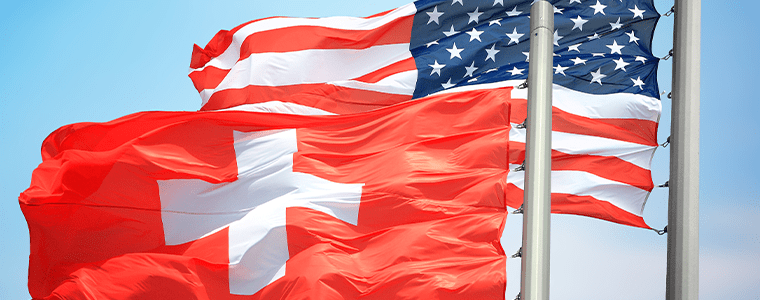
The United States should retain its role as a key market, though without returning to the near-exclusive engine of growth it was between 2021 and 2023. American demand is expected to remain structurally solid, supported by high purchasing power and a well-established watch culture, while remaining sensitive to the political, fiscal, and monetary environment. In Asia, the situation is likely to remain mixed. China is not expected to regain its status as a global growth engine in the short term, but regions like Southeast Asia or India could continue to progress gradually, acting more as secondary drivers than direct replacements.
In 2026, the secondary market is expected to continue its normalization phase. Prices should move more sideways, with targeted adjustments depending on the reference, without returning to the excesses of the past. The gap between retail and pre-owned prices should continue to narrow for many models, which is expected to bring long-term health to the market. Certified Pre-Owned (CPO) initiatives, particularly those led by major players like Rolex, are set to establish themselves as a defining standard, enhancing the transparency and credibility of the segment.
On the product front, 2026 should confirm a gradual refocus on better-designed, better-proportioned watches with more coherent positioning. Timepieces whose pricing is not clearly justified by design, technical complexity, or execution are likely to face greater resistance. Conversely, watches with timeless designs, useful complications, and high perceived quality should continue to perform well. This evolution reflects a profound shift in the hierarchy of purchasing criteria, where the product itself once again becomes the primary deciding factor.
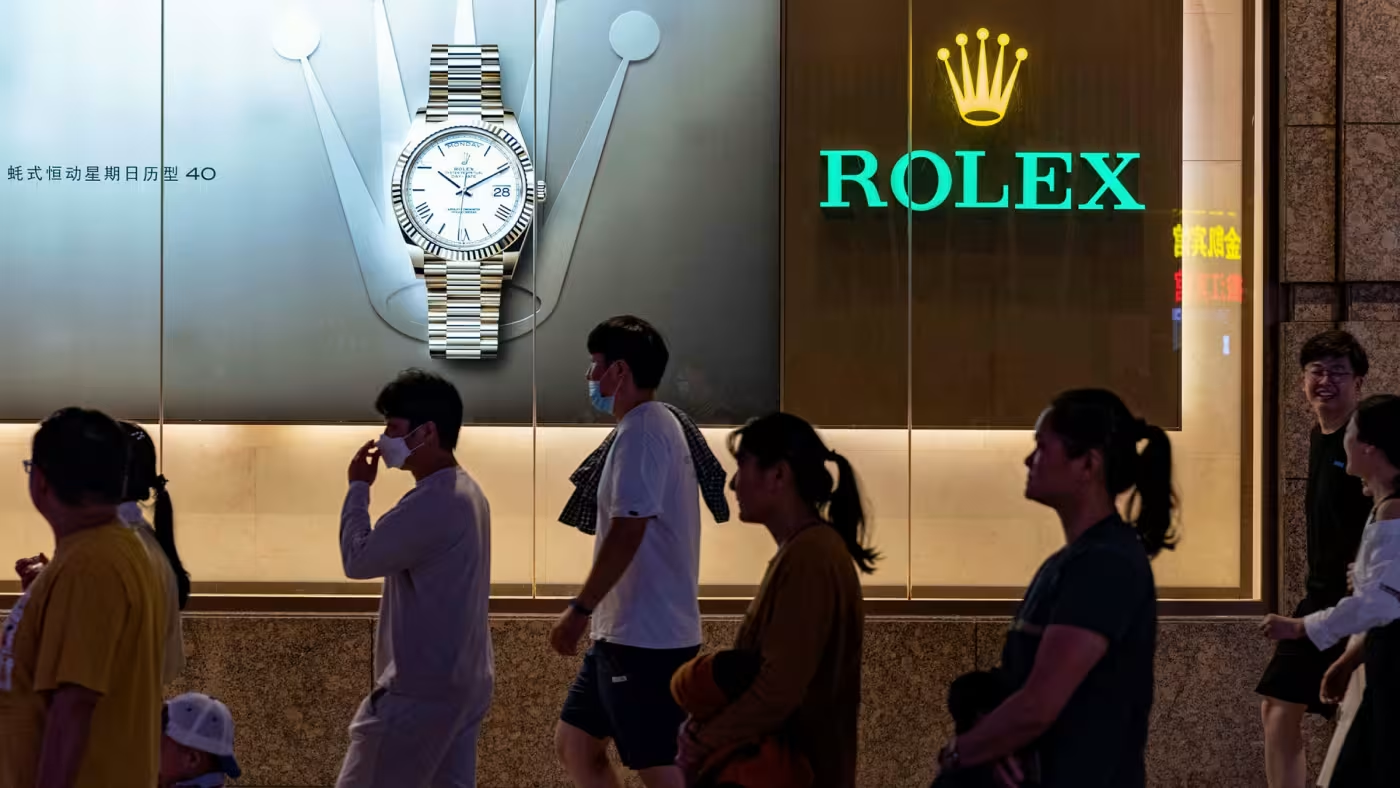
Overall, the watch industry in 2026 is likely to appear more disciplined, more professional, but also more demanding. The market should gradually become clearer, not through simplification, but through the natural weeding out of weaker models. Brands that have successfully adapted their distribution, controlled their production volumes, and clarified their messaging should navigate the year without major difficulties. Conversely, those waiting for an automatic return to growth risk facing a more challenging reality.
Ultimately, 2026 is shaping up to be less a year of promises and more a year of proof. It is unlikely to mark a sharp decline or usher in a new cycle of euphoria, but will rather confirm that mechanical watchmaking remains a highly desirable, cultural, and heritage-driven market, provided brands embrace a heightened demand for rigor, consistency, and authenticity.