AP x Swatch: Marketing Genius or Horological Betrayal?
The Royal Pop divides the watch community. A betrayal of the Royal Oak's heritage or a strategic stroke of genius? Ostermanwatch analyzes both sides of the debate.
Since May 16, 2026, the watch community has been split in two. On one side are those who see the Royal Pop as a brilliant, bold, and strategically flawless move. On the other are those who view it as a dilution of one of the most respected names in global watchmaking. Both sides have a point. And that is precisely what makes this collaboration so fascinating to dissect.
The Case for Betrayal
The Royal Oak is no ordinary watch. It is a revolution. In 1972, Gérald Genta designed an integrated steel case overnight, priced at 3,300 Swiss francs, the price of a gold watch at the time. A pure act of provocation that redefined what luxury could be. For 54 years, AP protected this design with almost religious rigor. No licensing, no external partnerships, no compromises on image. The Royal Oak was untouchable.
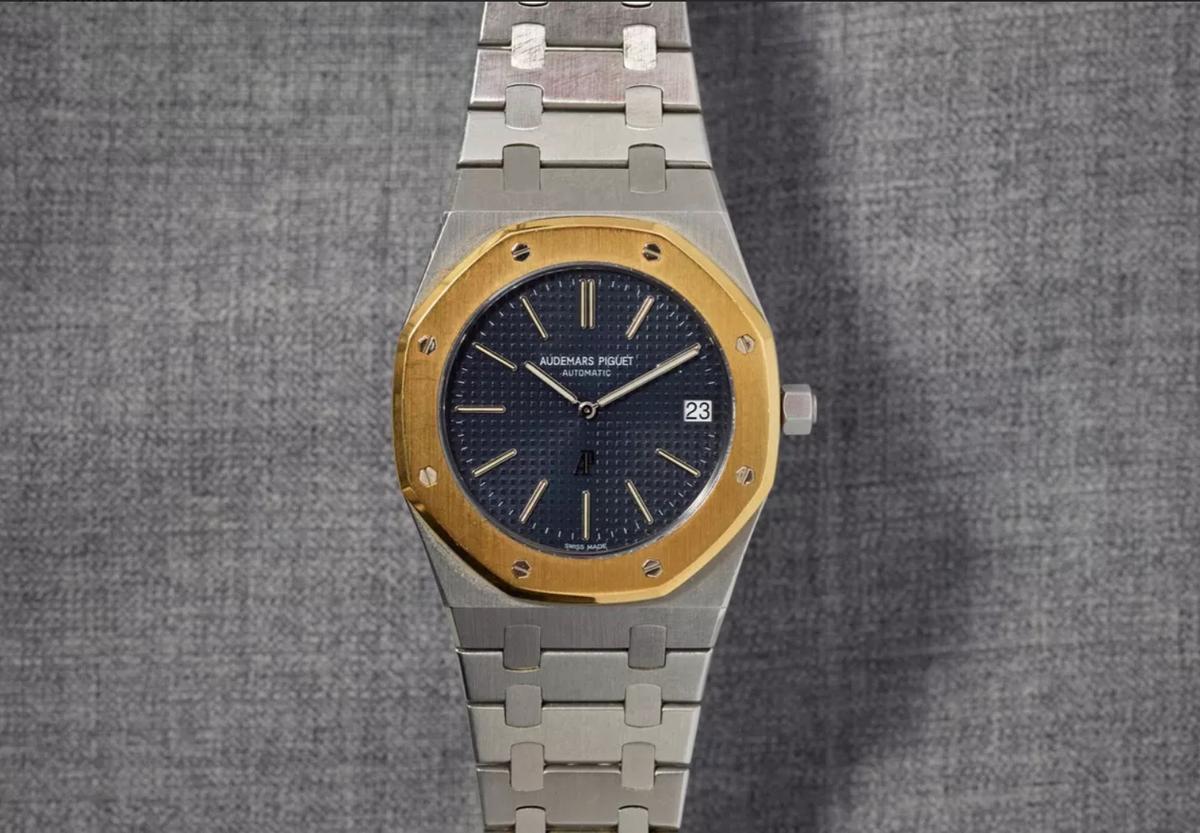
Then came Swatch. A brand whose positioning is the polar opposite of AP. €50 watches, fashion collaborations, and an unapologetic philosophy of the watch as a fun, disposable accessory. Putting the Royal Oak name on an item sold in Swatch stores, limited to one watch per person per day, alongside the MoonSwatch and Scuba Fifty Fathoms, is for many crossing a line that 54 years of brand building had made sacred.
And it is not just a matter of emotion. It is a matter of positioning. The desirability of a €50,000 Royal Oak relies partly on its inaccessibility, on the idea that it belongs to an exclusive world. Once AP starts playing in Swatch's playground, that boundary becomes blurred. Not completely, perhaps not permanently, but blurred nonetheless.
The Case for Genius
And yet, let's look at the facts.

AP chose a pocket watch, not a wristwatch. This is a deliberate and clever choice. No one is going to mistake a colorful bioceramic Royal Pop for a real Royal Oak. The very format of the object ensures it cannot be seen as an affordable substitute. This is a fundamental distinction that many critics have overlooked.
For several years, AP has faced legal challenges in protecting the Royal Oak design as a registered trademark, particularly in Japan and the United States. By collaborating with Swatch and registering the Royal Pop trademark in June 2024, AP took control of the narrative before the market could do it for them. It is as much a defensive move as an offensive one.
And fundamentally, the MoonSwatch precedent is enlightening. In 2022, many predicted that the MoonSwatch would devalue the Speedmaster. The opposite happened. The Speedmaster gained visibility, desirability, and its sales on the secondary market increased. If the same pattern holds for the Royal Oak, AP will have succeeded in attracting an entire generation of potential new buyers without spending a single euro on traditional advertising.
What the Numbers Say
The Q1 2026 Morgan Stanley report already shows it: AP is in recovery mode with value retention climbing back to +2.7%, and the Royal Oak has posted two consecutive quarters of growth. The Royal Pop arrives at the best possible moment to amplify this momentum. This timing is no coincidence.

The Verdict
The Royal Pop is neither a betrayal nor pure genius. It is a pragmatic decision made by a house that looked at what Swatch achieved with Omega and calculated that the risk was manageable. The choice of a pocket watch protects the integrity of the Royal Oak. The timing on the secondary market is perfect. And the buzz generated far exceeds what AP could have bought with any advertising campaign.
Those crying betrayal are defending a legitimate and respectable horological purity. Those applauding the marketing genius have the numbers on their side. The truth, as is often the case, lies somewhere in between. And in ten years, when a new generation of collectors shares how they discovered AP through a €400 Royal Pop bought at a Swatch boutique, we will know who was right.