At Richemont, Jewelry Drives Growth as Watchmaking Bounces Back
With net profit up 39% to €2.53 billion, jewelry slowing down, and watchmakers speeding up, here is what Richemont's half-year results reveal about the watch market.
On Friday, November 13, Richemont published its first-half results for its shifted fiscal year, running from April to the end of September 2026. On paper, everything is in the green: sales of €12.28 billion, up 16% (17% at constant exchange rates), operating profit of €3.12 billion, up 33%, and a net profit of €2.53 billion, up 39%. Consensus estimates had expected between €2.1 billion and €2.26 billion. The operating margin rose to 25.5%, compared to 22.2% a year earlier.
Yet, the share price fell by up to 6% during the trading session. To understand this paradox, and above all what these figures tell us about the watch market, we need to look inside the group that owns Cartier, Van Cleef & Arpels, Vacheron Constantin, Jaeger-LeCoultre, and A. Lange & Söhne.
Jewelry Carries the Group, but Slows Down
The Jewelry Maisons, which include Cartier, Van Cleef & Arpels, Buccellati, and Vhernier, remain Richemont's engine. Their sales grew by 19% at constant exchange rates over the half-year, generating an operating profit of €3.2 billion, compared to €2.5 billion a year earlier, representing a margin of 35.3%. On their own, they generate more than the entire group's operating profit, as they offset the losses still recorded in fashion.
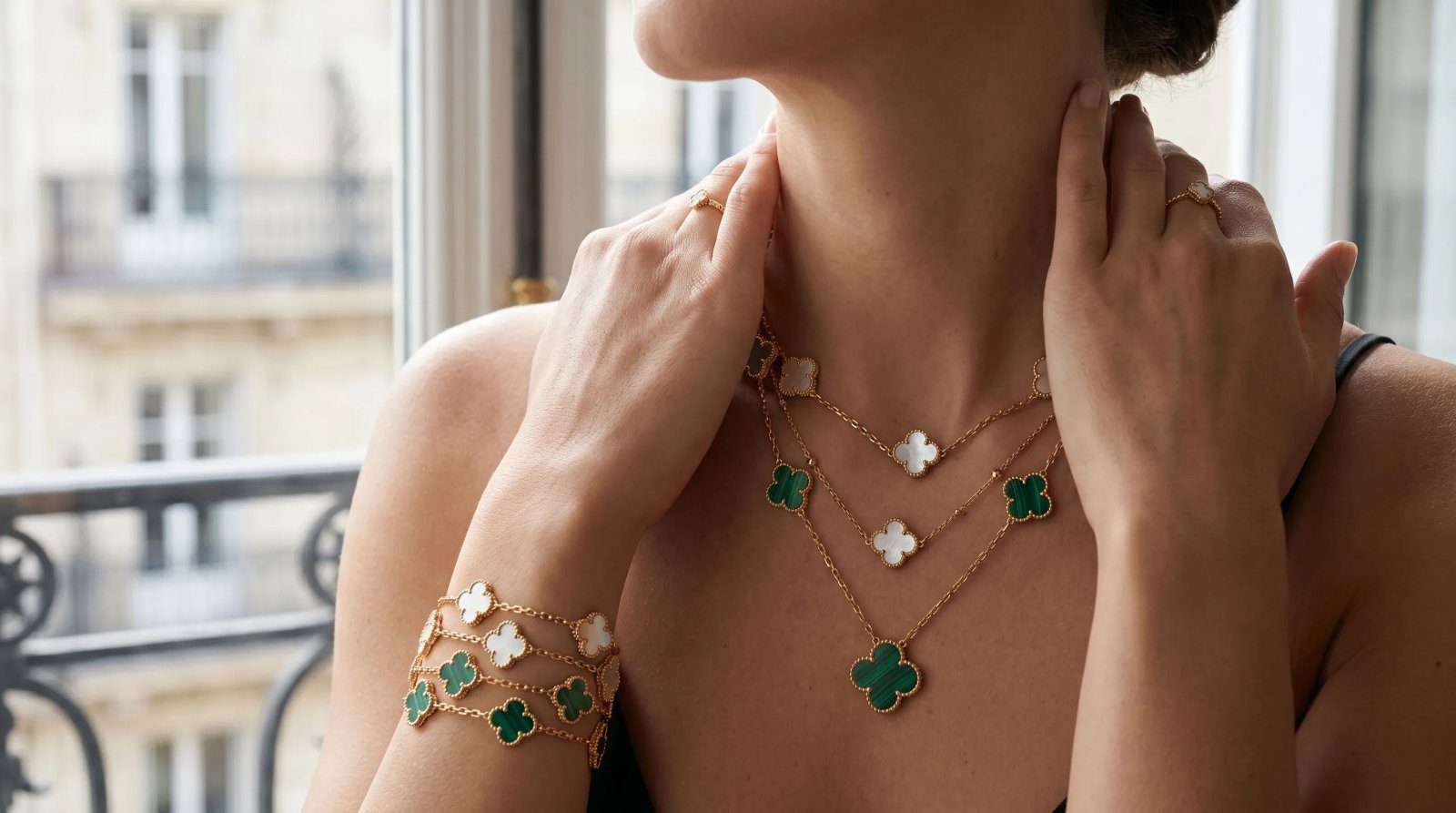
Yet, this is where investors hesitated. Jewelry growth slowed from 24% in the first quarter to 14% in the second, and the group's overall growth went from 20% to 13%. For a stock valued on the promise of exceptional growth, this slowdown was enough to trigger selling. Gross margin also fell slightly, penalized by the price of gold, a key raw material for jewelers. Analysts at Bernstein put things into perspective: all divisions and regions still posted double-digit growth for the quarter, a performance well ahead of the rest of the sector.
Geographically, growth was driven by Japan (+30%) and the Americas (+23%), ahead of Asia-Pacific (+16%) and Europe (+13%). Only the Middle East and Africa region declined, down 2%. Johann Rupert, the group's Chairman, welcomed the solid results in a volatile geopolitical and economic environment, warning that he expects similar conditions for the foreseeable future.
But for any observer of the watch market, the real news of this half-year lies elsewhere, in the group's most discreet division.
Watchmakers Bounce Back
The Specialist Watchmakers, which notably include Vacheron Constantin, Jaeger-LeCoultre, A. Lange & Söhne, IWC, Panerai, and Piaget, posted €1.706 billion in sales, up 10% at constant exchange rates. Most importantly, growth is accelerating: up 12% in the second quarter, compared to +3% a year earlier. This is their first quarter of double-digit growth in over four years. Richemont cited Vacheron Constantin, Jaeger-LeCoultre, and A. Lange & Söhne as the main drivers of the half-year, noting that most of its manufactures progressed. In China, demand remains soft, but this was offset by the rest of Asia.
The recovery is not yet complete. The watchmakers generated only €150 million in operating profit, representing an 8.8% margin, four times lower than jewelry. Also worth noting: Cartier watches are not counted here but under jewelry, which flatters the jewelry division and makes the watch division look more fragile than it actually is.
It remains to be seen whether this recovery in the primary market is reflected in the secondary market, which we track every week.
What the Pre-Owned Market Tells Us
Our data points in the same direction, without any wild excitement. Over twelve months, the A. Lange & Söhne 15 index rose by 5.8%, the Vacheron Constantin 25 index by 4.4%, the Cartier 15 index by 2.2%, and the Jaeger-LeCoultre 15 index by 0.7%. Meanwhile, the general Osterman Index, which covers more than 1,000 references across 19 brands, fell by 4.1%. Richemont's brands are not skyrocketing, but they are holding up significantly better than the market as a whole, all remaining in positive territory while the average declines. This aligns with what the group is seeing in boutiques: demand concentrating on a few highly desirable names rather than a generalized rebound.
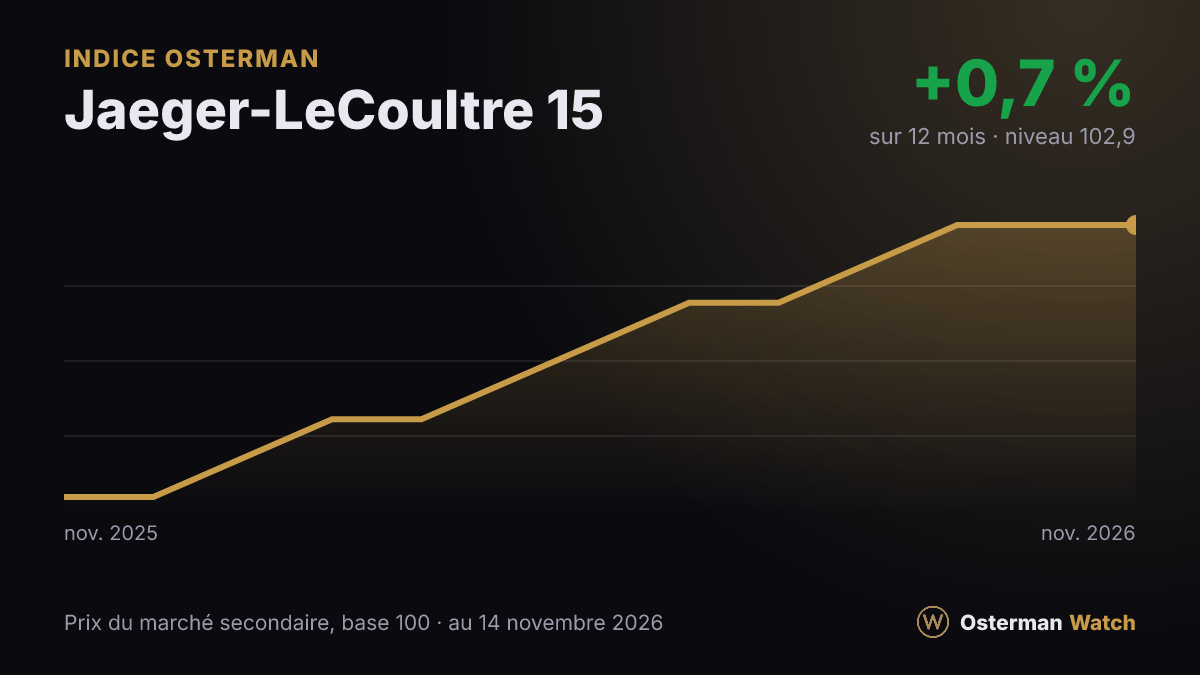
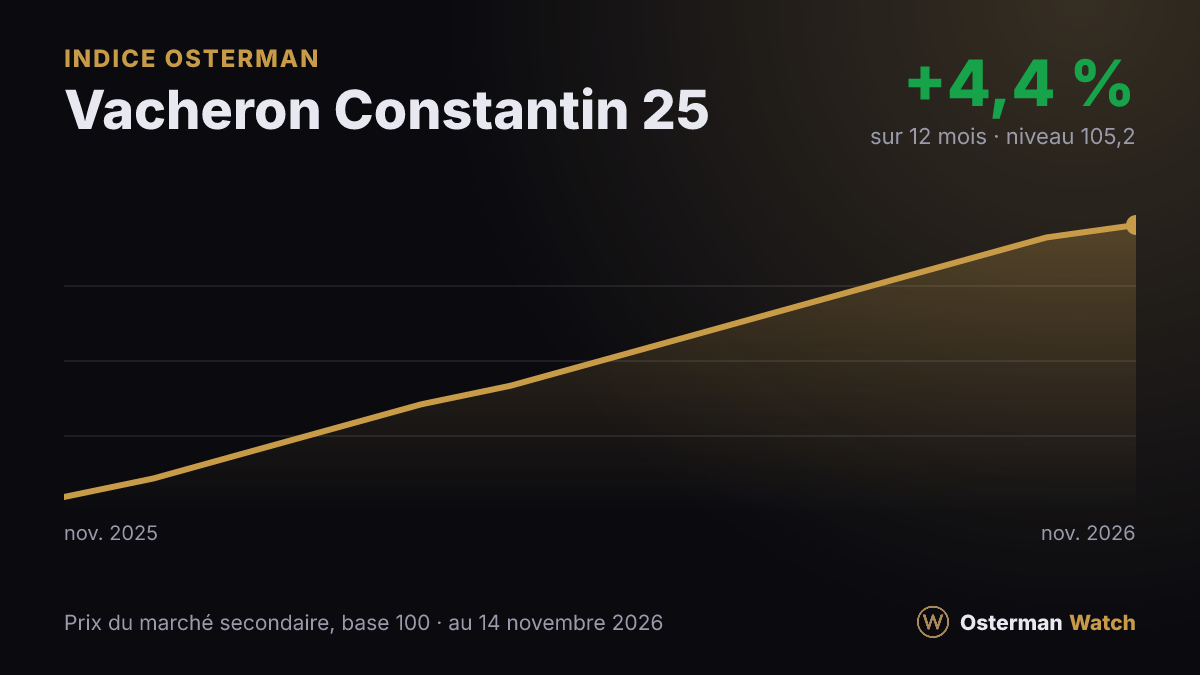
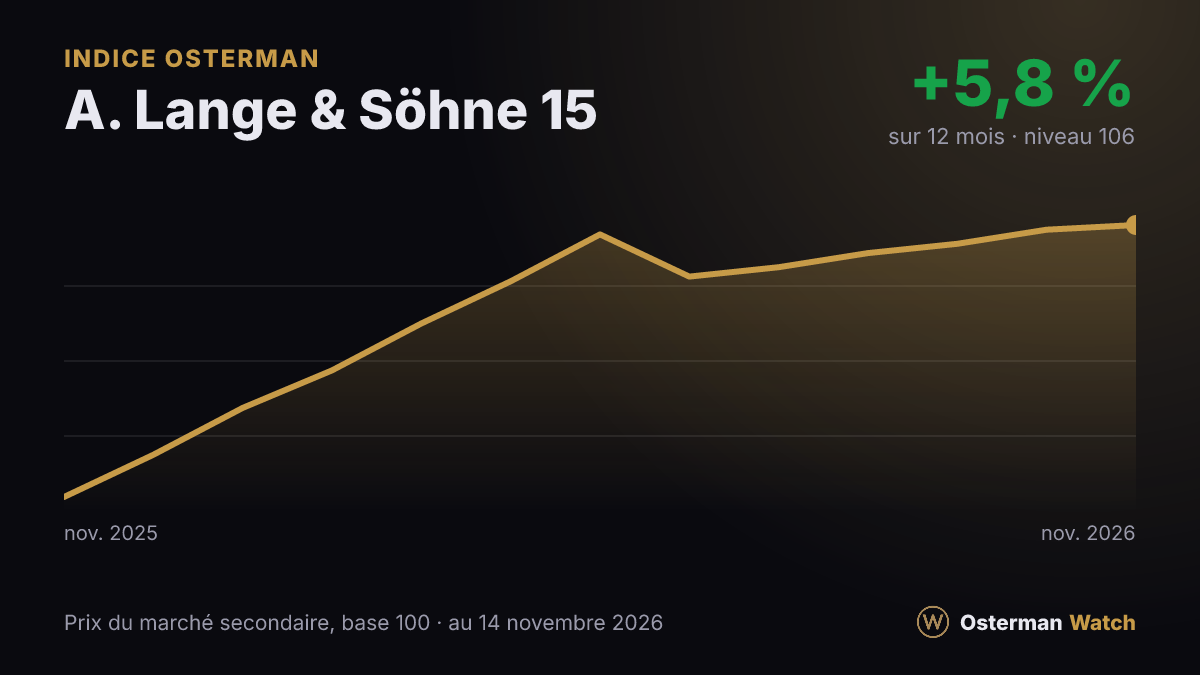
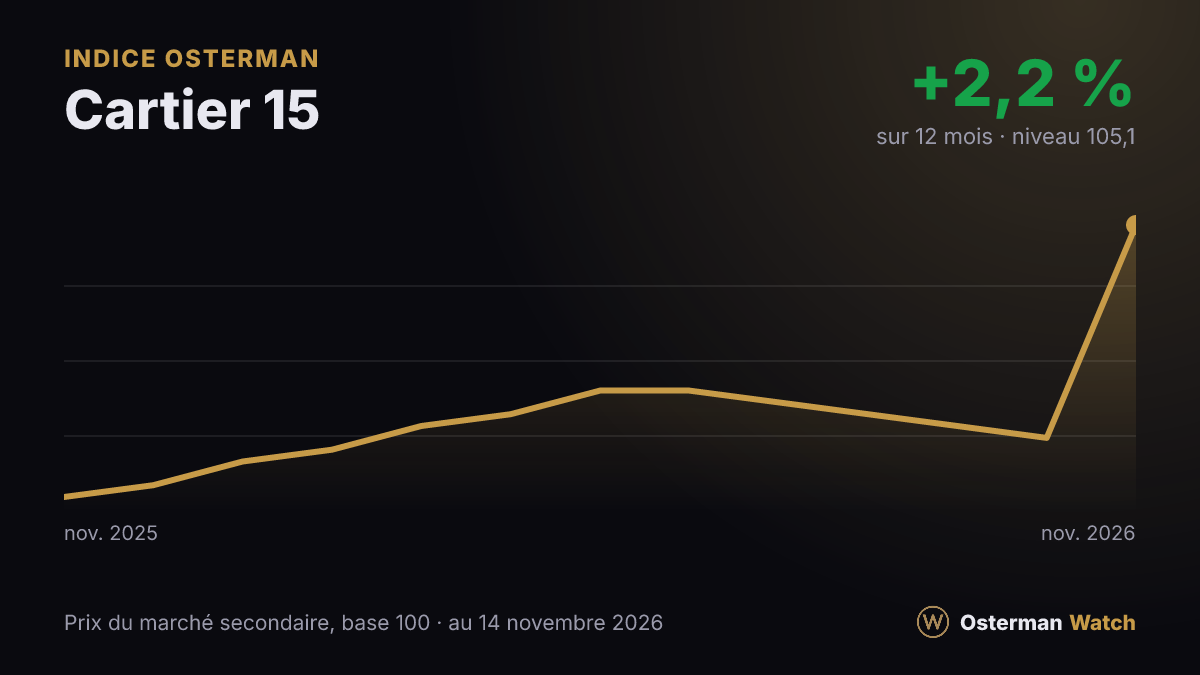
For buyers, this has two implications. First, flagship references from Lange or Vacheron are unlikely to be heavily discounted in the coming months if the momentum in the primary market continues. Second, the gap with the rest of the market leaves opportunities elsewhere, among brands and models whose market value is still declining. The next key milestone will be the publication of third-quarter sales in January, covering the holiday season. This will reveal whether the watchmaking acceleration is sustainable or if it was merely a favorable quarter.