Economic Overview of the Global Watch Industry
Discover a comprehensive and structured overview of the global watch industry for the first half of 2025: exports, sales, key regions, performance by segment, and future outlook.
Economic Overview of the Global Watch Industry (January to June 2025)
Following several years of strong post-pandemic recovery, the global watch market enters 2025 amid a slowdown and economic uncertainty. The industry is facing contrasting dynamics across different regions and segments, while consumer confidence remains fragile due to a tense geopolitical environment. We are witnessing a growing polarization in the sector: ultra-high-end luxury brands continue to perform well, while mid-range players are seeing a marked decline in sales. This shift back toward major historic houses like Rolex is accompanied by a transformation in consumer habits, with an increasingly clear distinction between ultra-luxury and the rest of the watch market. The beginning of 2025 is therefore marked by stagnant market value and a significant drop in volume, signaling the end of a growth cycle.
In terms of overall economic performance, Swiss watch exports, a key indicator of the global watch industry, reached 12.9 billion Swiss francs in the first half of 2025. This figure is virtually unchanged compared to the same period in 2024, representing a minor variation of -0.1%. However, this apparent stability masks a significant decline in export volumes, which was offset by an increase in the average price per watch. Indeed, nearly 7 million watches were exported between January and June 2025, which is 420,000 fewer pieces than a year earlier, representing a 5.7% drop in volume. Mechanical models, which now account for 86% of export revenue, maintained their value at +0.1% despite a 7.4% decline in units. In contrast, quartz watches saw their sales decline in both value (-1.7%) and volume (-4.6%). This start to the year follows the trend of 2024, a year in which Swiss watch exports recorded a 3% decline, reaching CHF 25.9 billion. This slowdown was seen as a consolidation phase after the record-breaking years of 2022 and 2023. Consequently, 2025 inherits an already weakened context, where overall growth is flat or even negative depending on the market.
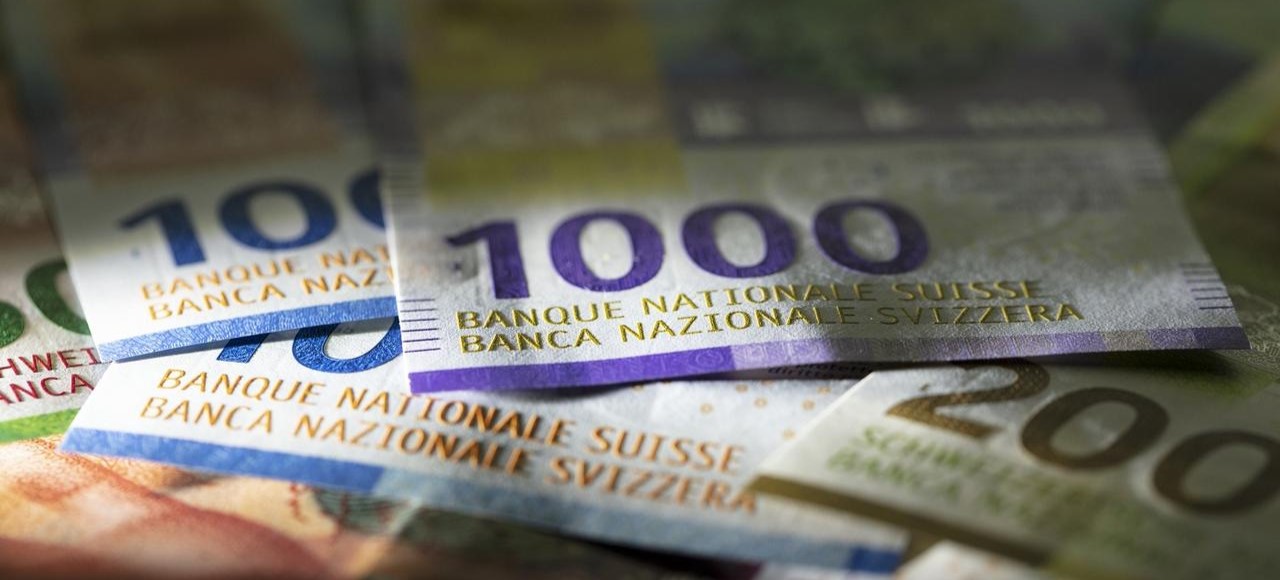
Geographically, performance varies widely from one region to another. In Switzerland, exports remained stable in value, but this outcome conceals a clear contraction in volumes and growing pressure on industrial capacity. Several manufacturers have resorted to short-time work, and annual production for 2024 fell to a historically low level of 15.3 million pieces. This trend is continuing into 2025.
The Asian market, typically the engine of luxury growth, is showing a sharp decline. Exports to Asia fell by 7.2% in value over the half-year. Mainland China, still grappling with a real estate crisis, recorded an 18.7% drop, while Hong Kong fell by 13.3%. Japan (-3.2%) and Singapore (-3.7%) followed the same downward trend. A few exceptions remain, such as India (+12.7%), Taiwan (+3.6%), and Saudi Arabia (+7.3%), but they are not enough to lift the region as a whole.
In the United States, Swiss exports temporarily increased by 20%, driven by anticipatory stockpiling ahead of threatened new customs tariffs. In reality, however, American demand is declining, with a 17.6% drop observed as early as June. Persistent inflation and fears of recession are undermining US consumer confidence.
Western Europe is holding up better, with a slight decline of 0.4% in value. Some markets are growing, such as Spain (+11,8%), while France (-6%) and Germany (-0.8%) recorded declines. However, local demand and luxury jewelry are helping to maintain a certain level of activity.
In the Middle East, the United Arab Emirates (-1.1%) and Saudi Arabia (+7.3%) confirm their role as promising markets. The boom in luxury tourism and the region's high purchasing power continue to support demand.

Segmentation trends are clear. The ultra-high-end segment continues to dominate, with growth driven by models priced above CHF 50,000. In 2024, these watches accounted for 33.5% of export value and 84% of the sector's growth. This dynamic continues in 2025. Major independent brands like Patek Philippe, Audemars Piguet, and Richard Mille are seeing their positions consolidated. In contrast, the entry-level and mid-range segments are in sharp decline. Watches in the CHF 200 to CHF 500 range saw their value drop by 11.3%. Competition from smartwatches and falling demand in major markets explain this decline. Some brands, such as Tissot and Longines, are attempting to reposition themselves, though with limited success.
Macroeconomic factors are worsening the situation. Persistent inflation, combined with high interest rates, has eroded purchasing power in many regions. Fluctuations in the Swiss franc have driven up export prices, and geopolitical tensions (Ukraine, Asia, the Middle East) are adding to the climate of uncertainty. In the United States, threats of tariff increases have altered logistics flows. In China, a crisis of confidence and the economic slowdown are weighing on demand, particularly among younger consumers who are turning more toward pre-owned watches or other spending categories.
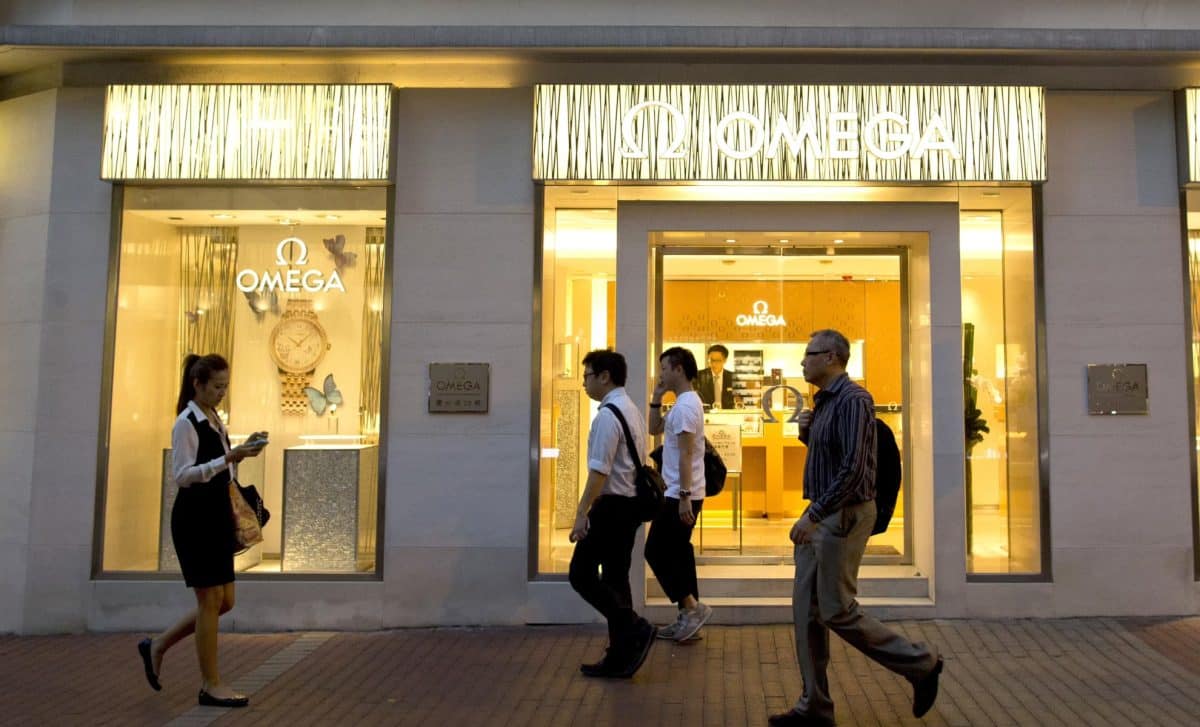
The outlook for the second half of 2025 remains cautious. The FH anticipates an overall decline in watch exports for the full year. Accumulated inventory will need to be cleared before production can be restarted. Suppliers are under pressure, with some experiencing drops in activity of up to 80%. Emerging markets like India and Southeast Asia are expected to continue their structural growth, but they will not be enough to offset the weaknesses in China and the United States.
The watch industry is therefore in a transition phase: it must demonstrate resilience, refocusing on value creation, digital channels, direct sales, and the ability to foster a strong emotional connection with a demanding clientele. The houses that successfully navigate this transformation will be well-positioned to capitalize on the recovery expected to begin in 2026.