Four years after dropping watches, Kering bets big on jewelry
In 2022, Kering sold Girard-Perregaux and Ulysse Nardin to exit watchmaking. Four years later, the group has lost nearly a third of its sales due to Gucci, but its jewelry division has never been more dynamic.
In January 2022, Kering made a decision that few luxury groups would have dared: exiting Swiss watchmaking. The owner of Gucci announced the sale of the entirety of Sowind Group, the parent company of Girard-Perregaux and Ulysse Nardin, to its management team, according to the group's official press release. The message was clear. Interviewed at the time by Reuters, analyst Luca Solca summarized the group's strategy: grow, yes, but not in watches. Nearly four years later, the results are mixed, and not for the reasons one might think.
A group in freefall, but not because of watches
The year of the divestment marked Kering's peak. In 2022, the group posted €20.4 billion in revenue and €3.6 billion in net profit. By 2025, it had fallen to €14.7 billion in sales and €72 million in net profit, according to its published accounts. In four years, nearly 28% of revenue evaporated. The recurring operating margin fell from 14.5% in 2024 to 11.1% in 2025, according to the annual results press release.
The culprit is well known: Gucci, which accounted for the bulk of the group's profits, has steadily declined. Keeping Girard-Perregaux and Ulysse Nardin would not have changed that. At the time of their acquisition, Morgan Stanley estimated their annual sales at around CHF 180 million for the former and €190 million for the latter. A drop in the ocean compared to the billions lost by the Florentine label.
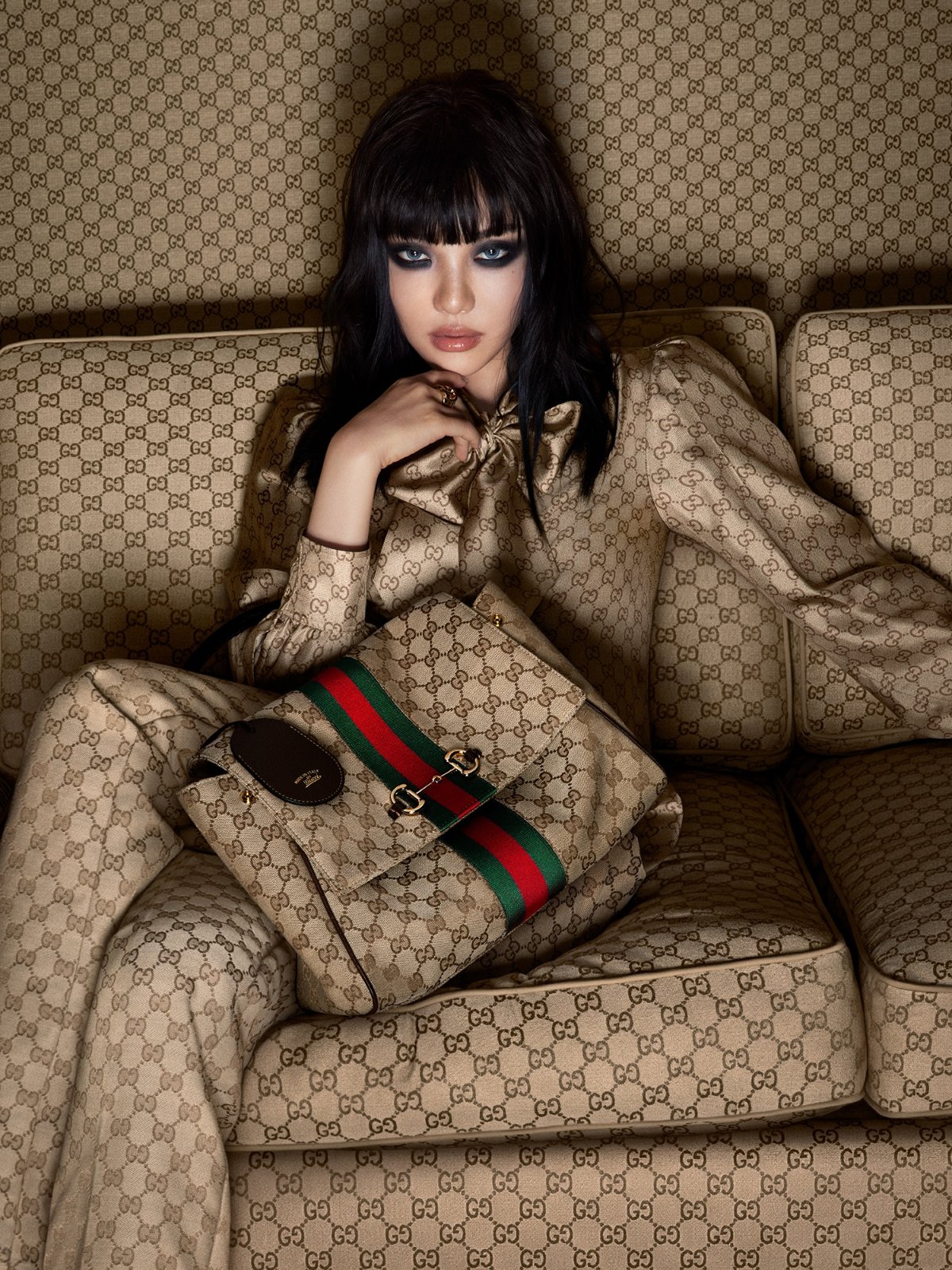
To turn things around, the group brought in Luca de Meo, who arrived in September 2025. The new CEO sold the beauty business to L'Oréal for €4 billion, reports AFP, and stepped up real estate transactions. As a result, net debt fell from €10.5 billion to €8 billion, notes Morningstar. The boutique network is also shrinking: 84 net closures in the first half of 2026 alone, representing 5% of the store network, according to ABC Bourse.
The first effects are being felt, though they do not yet look like a recovery. The group returned to growth of 1% in the first half of 2026, before slipping back slightly in the third quarter: €3.35 billion in sales, down 1% on a comparable basis, with Gucci still down 6%, according to figures published on October 22. But another division is accelerating significantly.
Jewelry, the other half of hard luxury
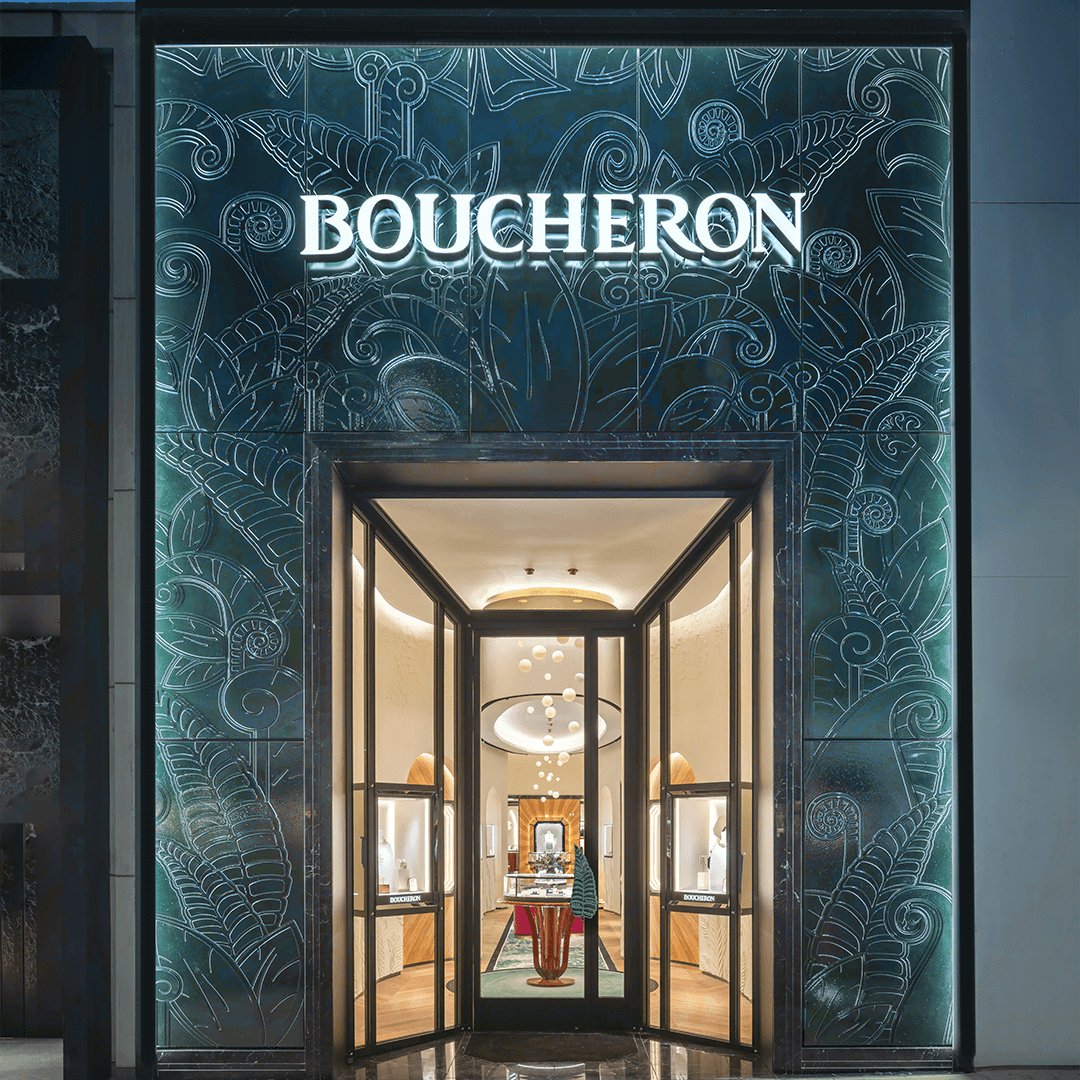
That is the irony of the story. By leaving watchmaking, Kering did not turn its back on hard luxury. It kept its jewelry division, grouped this year into a new entity, Kering Jewelry, which brings together Boucheron, Pomellato, Dodo, and Qeelin. And today, it is the group's best growth engine: €521 million in sales in the first half of 2026, up 20% on a comparable basis, growth that the group attributes primarily to Boucheron. In the third quarter, the division grew by another 11%, and by 18% in its own boutiques, according to Kering's official press releases.
This resilience is no accident. Watches and jewelry are often perceived by wealthy clients as safe-haven heritage assets, whereas leather goods prove more sensitive to economic cycles, explains an eToro analyst quoted by ABC Bourse. Kering has therefore retained the half of hard luxury that is holding up, and let go of the other. Meanwhile, LVMH and Richemont continue to bet on watchmaking, as seen with Jean Arnault, who has just entrusted Hublot to the advisory of François-Henry Bennahmias.
And what of the two sold manufactures? Having become independent, they chose the path of rarity. In an interview with Swissinfo in 2024, their CEO Patrick Pruniaux explained that they had halved the number of points of sale in five years to keep only the best retailers, and capped production at 25,000 Girard-Perregaux and 15,000 Ulysse Nardin watches per year. He spoke of strong sales momentum and brands that have clearly surpassed critical mass.
Key Takeaways
Exiting watchmaking has neither saved nor sunk Kering: the group's destiny hinges on Gucci. But it sheds light on a strategy. By focusing on fashion and jewelry, the Pinault family gave up a category that, for its competitors, serves as a buffer during difficult years. For collectors, the consequence is most visible with Girard-Perregaux and Ulysse Nardin, which are rarer in boutiques than during the Kering era. Their secondary market prices can be tracked on the Osterman Watch index.