The Global Watch Industry in 2025: A Year of Normalisation
Stabilising exports, the end of speculation, and a refocus on the product. A comprehensive analysis of the global and Swiss watch markets in 2025.
The Global Watch Industry in 2025: A Year of Normalisation
A Year of Normalisation, Natural Selection, and Strategic Repositioning
The year 2025 marks a clear turning point for the global watch industry. Following the post-Covid euphoria, speculative overheating, and secondary market imbalances, the sector is entering a more mature, legible, and demanding phase. Growth has not vanished, but it has consolidated around solid brands, coherent products, and genuinely solvent markets. 2025 is neither a year of crisis nor a year of boom. It is a year of clarification.
A Global Market That Remains Resilient, But Less Forgiving
On a global scale, watchmaking remains a cornerstone of luxury. The overall market value continues to grow in the long term, driven by an affluent international clientele, structural demand for prestigious mechanical objects, and a still-strong cultural heritage. However, growth has become selective. Volumes no longer automatically follow value increases. Consumers are making more deliberate choices, comparing more, and expecting a credible, clear, and sustainable product promise.
This evolution naturally benefits watchmaking houses capable of justifying their prices through a clear identity, a well-mastered heritage, and flawless execution. Conversely, brands positioned solely on artificial scarcity or hollow storytelling are seeing their traction erode.
Swiss Watchmaking in 2025: Stable Value, Strained Volumes
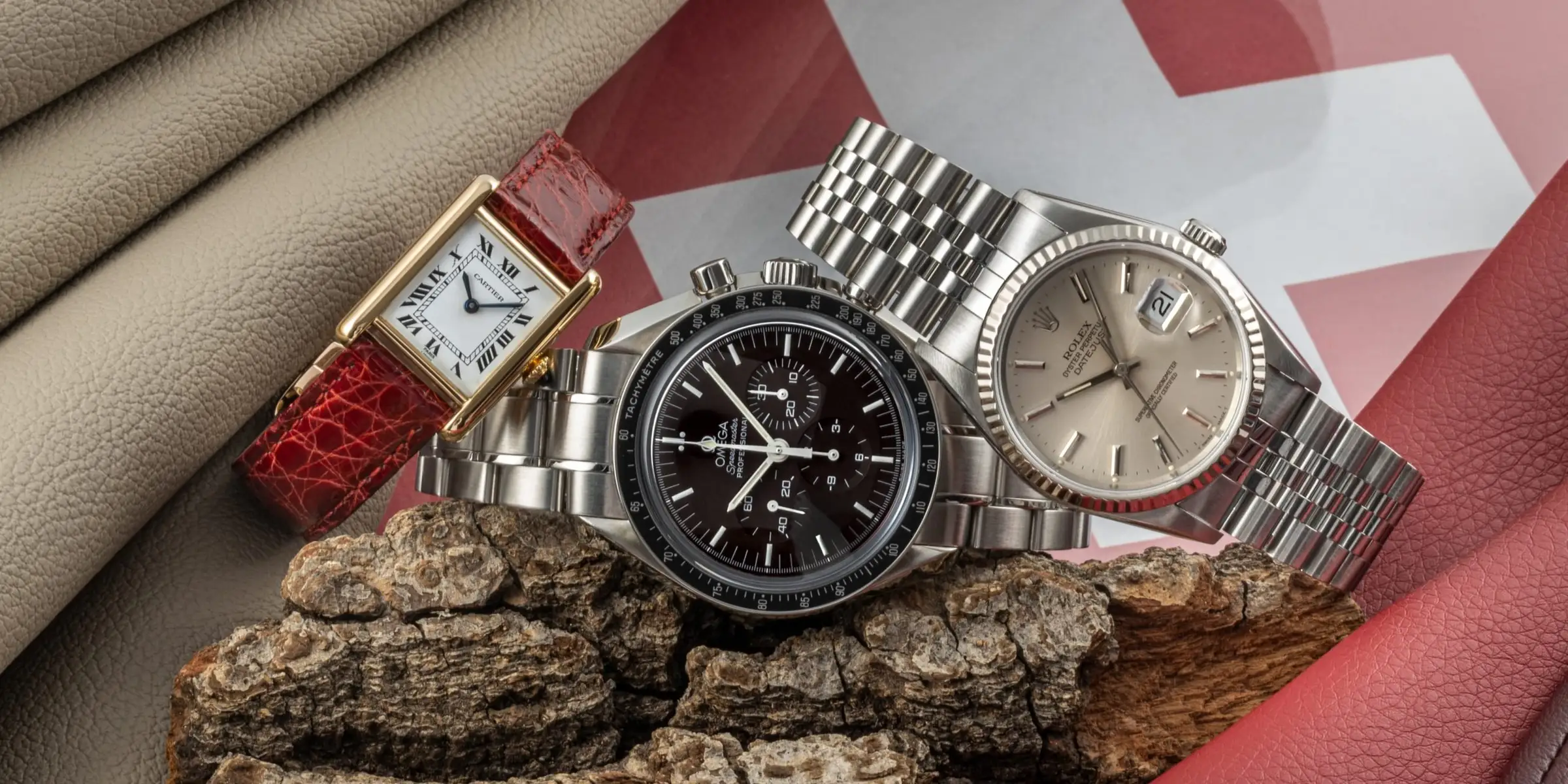
Swiss watchmaking remains the central barometer of the sector. In 2025, its exports show relative stability in value, but a sharp decline in volumes. In other words, fewer watches are being sold, but at a higher average price. This configuration confirms a market polarisation towards the high-end and prestige segments, to the detriment of poorly defined mid-range segments.
Mechanical watches still account for the bulk of export value, confirming their status as cultural and heritage objects rather than mere functional products. However, even this segment is not immune to a slowdown in volumes, a sign that demand is no longer automatic, even for iconic references.
Geographical Markets Under Pressure and a Redistribution of Balance
The year 2025 is marked by sharp regional contrasts. The United States, long the primary engine of growth, experienced significant disruptions related to tariffs and an uncertain political climate. These factors caused sharp fluctuations in exports, without undermining the structural potential of the American market in the medium term.
Demand there is more cautious, more rational, and less focused on immediate status purchases. This shift penalises brands that relied excessively on these regions without sufficient diversification.
In parallel, certain emerging markets such as India, Mexico, or Southeast Asia are beginning to act as growth drivers, still modest but strategic. They do not replace the old engines, but they contribute to a more balanced distribution of global demand.
The End of the Speculative Illusion and the Return of the Product
One of the key highlights of 2025 is the definitive normalisation of the secondary market. Increased availability of many references from Rolex, Patek Philippe, or Audemars Piguet has exerted lasting pressure on pre-owned prices. This correction has put an end to the notion that any prestigious watch is automatically a speculative asset.
This context encourages a return to basics. Design, collection coherence, clear positioning, and mechanical quality are once again central criteria. Consumers are buying less to resell and more to wear, keep, and pass down.
Brand Strategies: Refocusing, Control, and Vertical Integration
In response to this new environment, the strongest brands have adjusted their strategies. Distribution control, voluntary volume reductions, the development of the certified pre-owned market, and investment in the customer experience are becoming major levers. The goal is no longer to move as many pieces as possible, but to preserve long-term desirability.
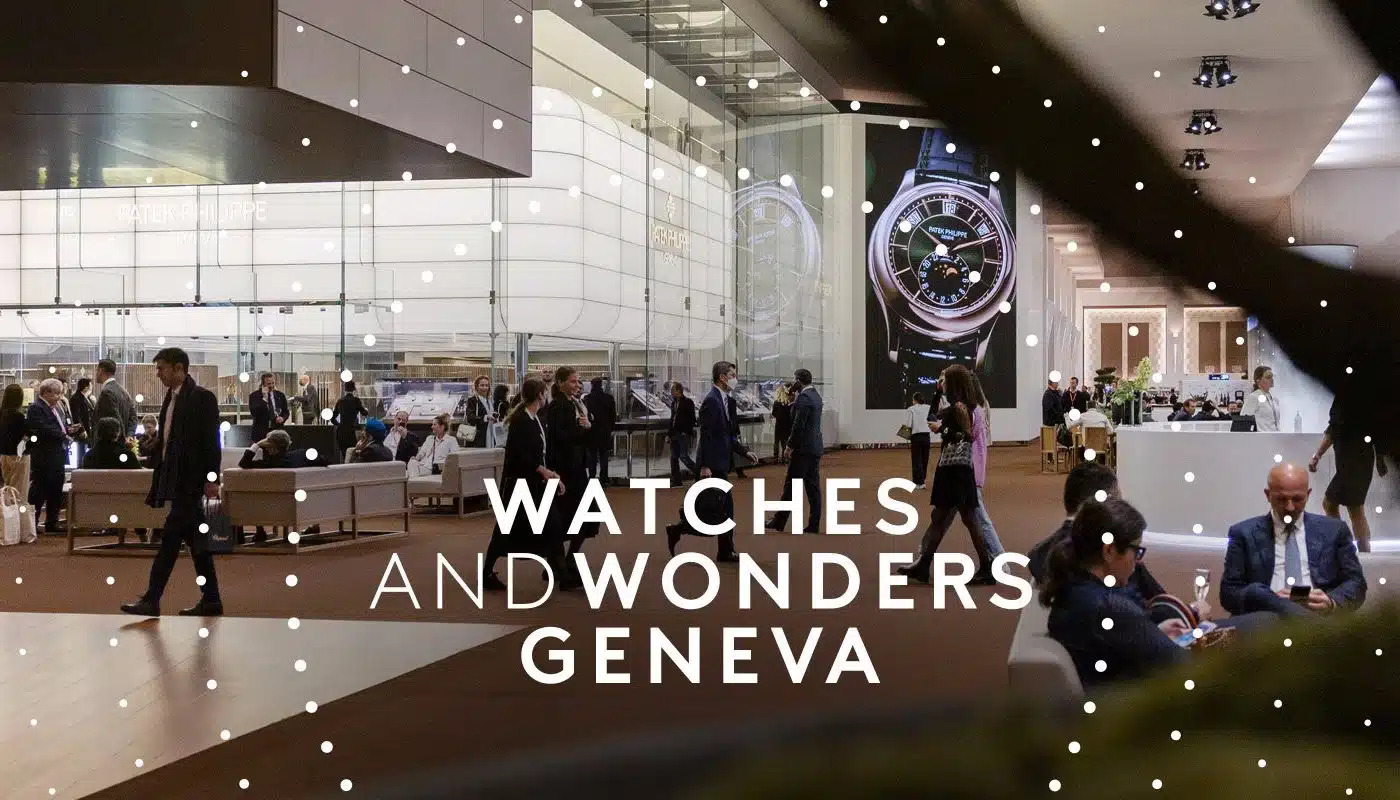
Trade shows like Watches and Wonders 2025 illustrated this trend. The offering there proved to be more polarised, with a strong emphasis on high-value-add pieces, complications, precious materials, and bold aesthetic statements. This choice reflects a clear desire to defend margins and brand image rather than quantitative growth.
2025 as a Pivotal Year Before a New Cycle
The year 2025 does not close a cycle; it prepares for a new one. The watch industry is gradually emerging from a period of excess to enter a more rational, structured, and professional phase. The brands that survive and thrive will be those capable of delivering on a clear long-term promise, without relying on a euphoric secondary market or a temporary trend.
In the short term, macroeconomic, geopolitical, and regulatory pressures will continue to weigh on the market. In the medium and long term, mechanical watchmaking retains solid fundamentals. It remains a unique cultural, emotional, and heritage object, provided the industry definitively accepts that easy growth is a thing of the past.