How to Choose Your Watch Based on Its Strap
<img width="2560" height="1440" src="https://ostermanwatch.com/wp-content/uploads/2025/03/1c2a79181-scaled.jpg" alt="" srcset="https://ostermanwatch.c

When choosing a luxury watch, we often think of the movement, the dial, or the brand, but the strap plays an equally essential role. It influences not only comfort, but also the aesthetic and use of the watch. Here is a guide to help you make the right choice based on your style and needs.
1. Leather
Leather is a classic and refined choice, ideal for dress watch enthusiasts. It brings a touch of elegance and develops a beautiful patina over time.
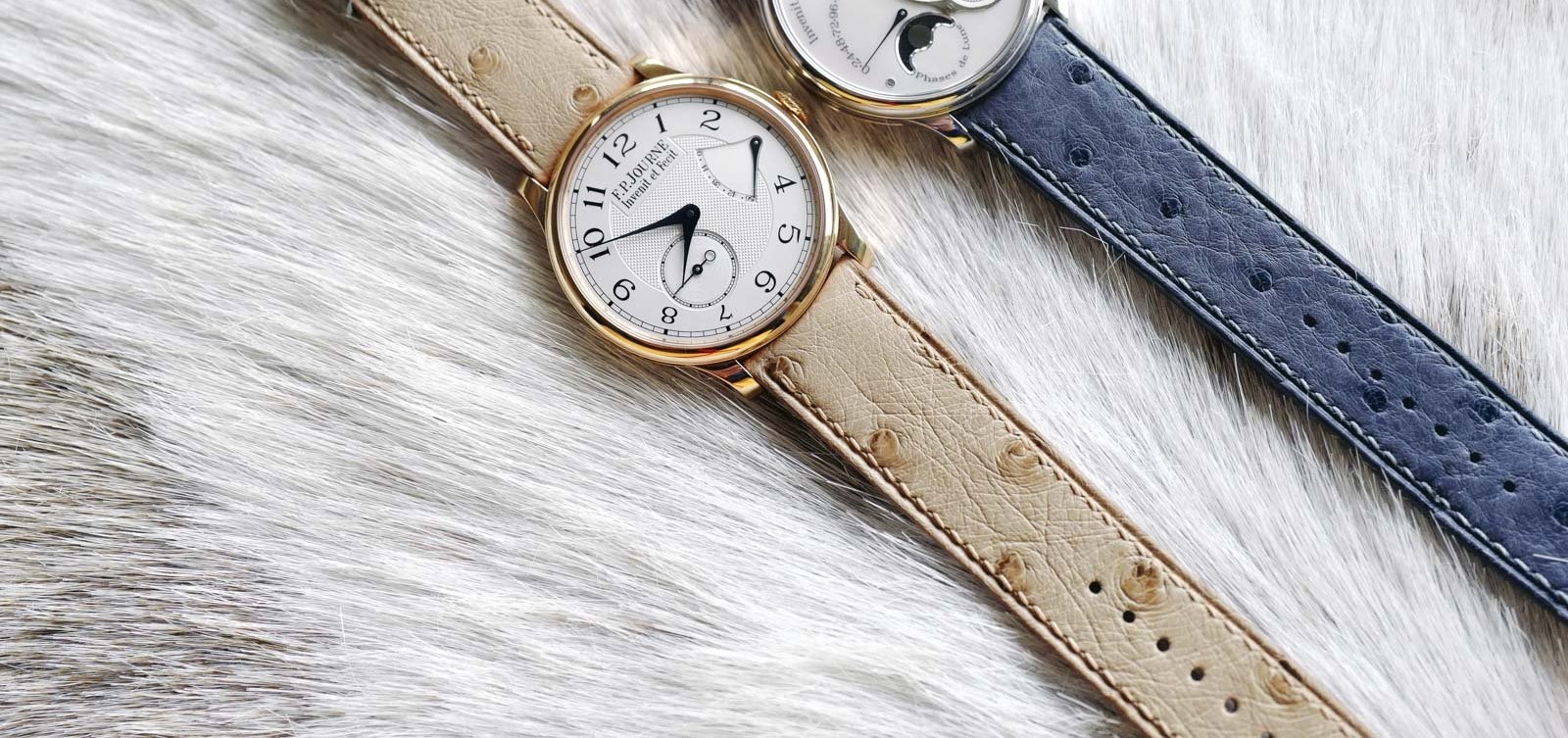
Leather is a classic and refined choice, ideal for dress watch enthusiasts. It brings a touch of elegance and develops a beautiful patina over time.
- Alligator and crocodile: Perfect for a formal watch, these leathers are luxurious and supple. Widely used by Patek Philippe, Vacheron Constantin, and Audemars Piguet.
- Calfskin: Less expensive but highly versatile, it suits dress watches just as well as more casual models.
- Shell Cordovan (horsehide): Durable and resistant, it develops a beautiful patina.
- Exotics (ostrich, lizard, snake): Rarer but highly original, they add character to the watch.
Who is it for? Lovers of classic watches, those looking for a dress watch, or anyone who appreciates noble materials.
Things to watch out for: Leather is sensitive to water and sweat, and requires regular maintenance.
2. Metal
Metal bracelets are durable and can offer a sportier or more luxurious look depending on the chosen material.
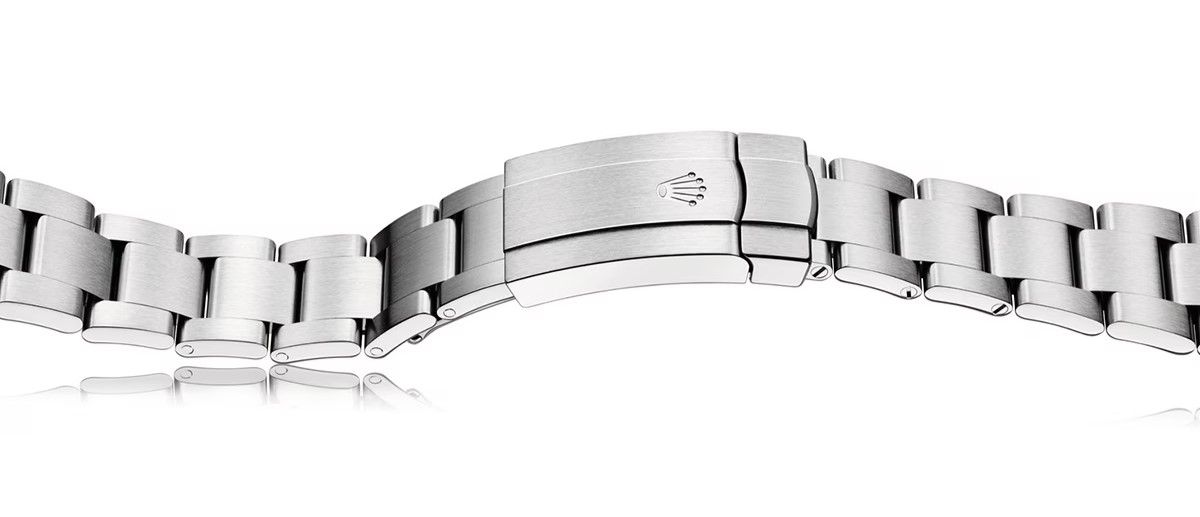
- Stainless steel: Robust and timeless, this is the go-to choice for Rolex (Oyster, Jubilee), Omega, and Breitling.
- Gold (yellow, white, rose): Luxurious and prestigious, used by Rolex, Patek Philippe, and Audemars Piguet.
- Titanium: Lighter than steel and highly corrosion-resistant, perfect for optimal comfort (used by Richard Mille, Omega, and Hublot).
- Platinum: Extremely rare and luxurious, though its weight can be a drawback for some.
Who is it for? Those looking for a durable and elegant bracelet suitable for all occasions.
Things to watch out for: Steel can be heavy, and gold scratches more easily.
3. Rubber
Rubber straps have become highly popular on sports watches and modern high-end models.
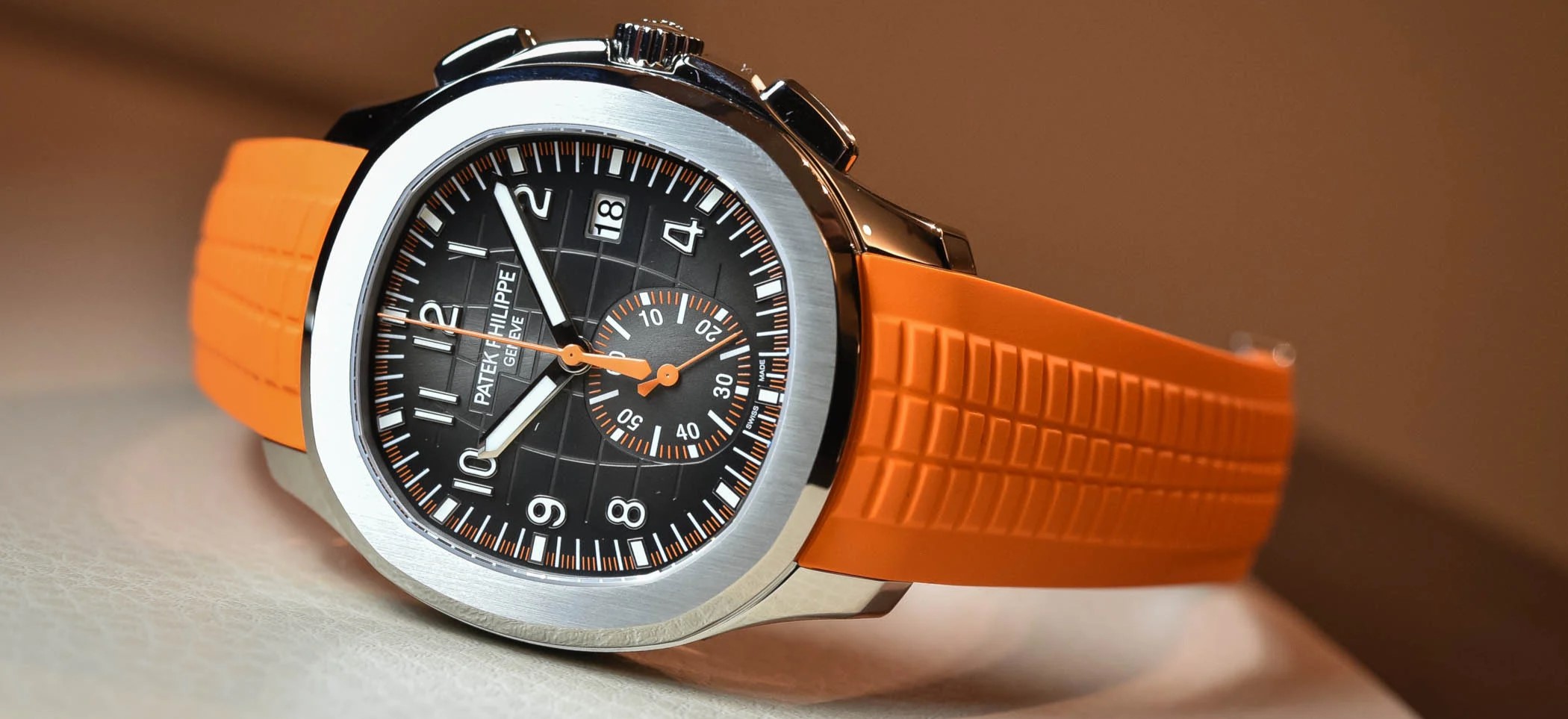
- Natural rubber: Supple, water-resistant, and comfortable, found on the Patek Philippe Aquanaut, Hublot Big Bang, and Audemars Piguet Royal Oak Offshore.
- FKM (fluoroelastomer): More technical and durable, used by Omega (Speedmaster, Seamaster).
Who is it for? Those looking for a lightweight, water-resistant, and comfortable strap for daily or sporty wear.
Things to watch out for: It may lack elegance for certain formal occasions.
4. Fabric and Synthetic Materials
Ideal for casual or military use, these straps are lightweight and comfortable.
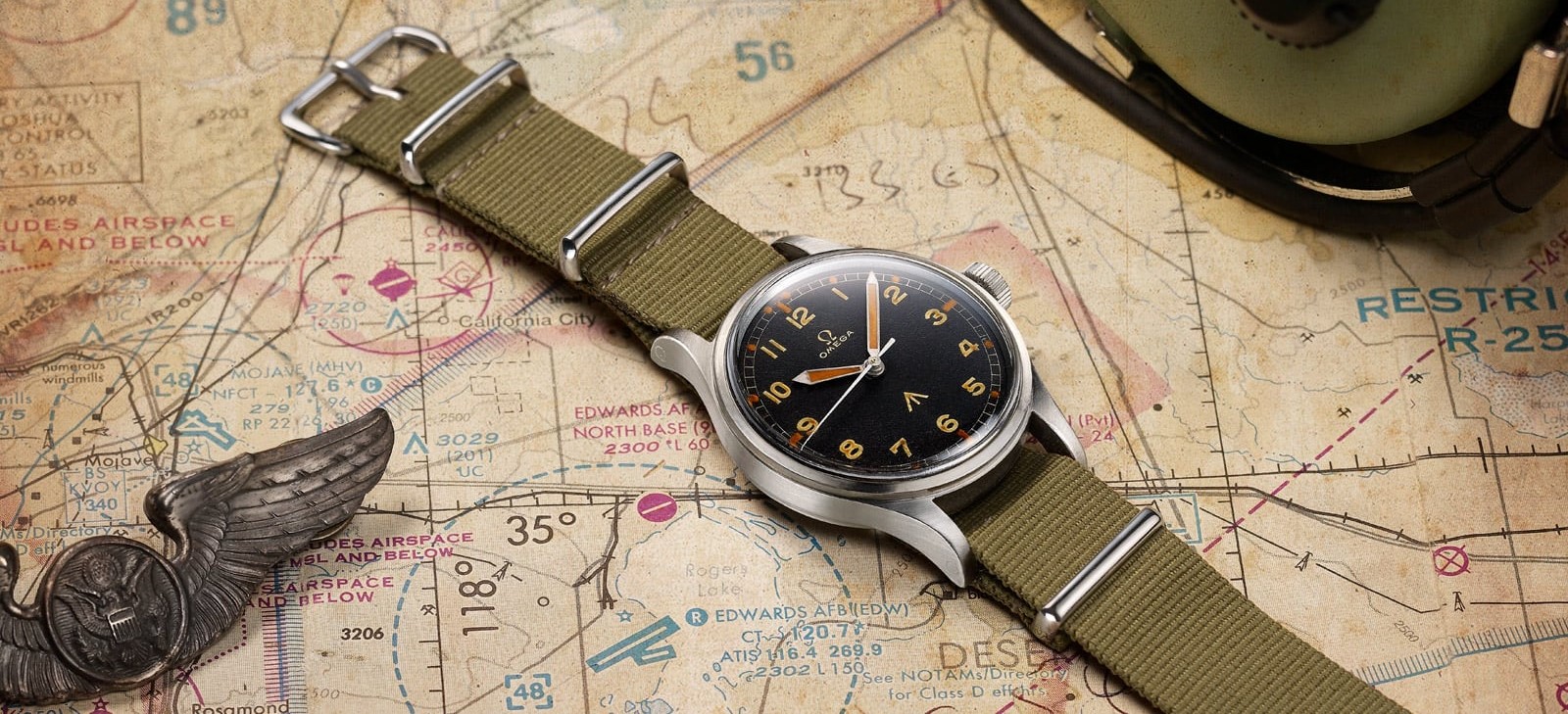
- NATO: Inspired by military watches, robust and highly versatile (Tudor, Omega).
- Kevlar: Highly resistant and lightweight, perfect for a sporty look (Bell & Ross, Richard Mille).
- Velcro: Practical and adjustable, primarily used on aviation and space watches (Omega Speedmaster).
Who is it for? Those who want a lightweight, comfortable, and customizable strap.
Things to watch out for: Less refined than leather or metal, sometimes perceived as too casual.
5. Ceramic and Carbon
These innovative materials bring a futuristic look and interesting technical performance.

- Ceramic: Scratch-resistant and hypoallergenic, used by Rado, Chanel, and Hublot.
- Forged carbon: Ultra-lightweight and highly resistant, a signature of Richard Mille and Audemars Piguet.
Who is it for? Those who want a modern, lightweight, and ultra-resistant strap.
Things to watch out for: Ceramic can be brittle in the event of a violent impact.
My Personal Choice: Leather
If I had to choose the ideal strap, it would undoubtedly be leather. It is lightweight, comfortable to wear, and brings a timeless elegance that spans generations. A leather strap elevates any watch, whether classic or modern. It is also highly versatile, easily adapting to both formal attire and more casual looks.
What I particularly appreciate about leather is how it patinates over time, becoming unique and reflecting the life of its wearer. A well-maintained leather strap develops an incomparable texture and suppleness. Unlike metal bracelets which can be heavy, or synthetic materials that can sometimes feel too technical, leather remains warm, natural, and refined.
Whether it is alligator leather on a Patek Philippe, grained calfskin on a Jaeger-LeCoultre, or cordovan on a sportier watch, leather always imparts a touch of distinction and character.
If you are looking for a strap that is elegant, comfortable, and timeless, leather is, in my opinion, the best choice.
If you are looking for a watch with a versatile and comfortable bracelet, I highly recommend trying a titanium model. You will benefit from a high-end, durable material that is incredibly comfortable on the wrist.
Conclusion: Which Strap Should You Choose for Your Watch?
The choice of strap depends on your lifestyle and personal preferences. For a dress watch, leather is an excellent choice. For robust daily wear, stainless steel or titanium is perfect. If you are active and looking for maximum comfort, rubber or fabric will be your best allies.
If you found this article interesting, do not miss our article on “Affordable Brands to Start a Vintage Watch Collection” to deepen your understanding of the watch industry.