Luca de Meo: A Strategic Turning Point at the Helm of Kering
<img width="1280" height="720" src="https://ostermanwatch.com/wp-content/uploads/2025/06/0150433595784-web-tete.jpg" alt="" srcset="https://ostermanwa
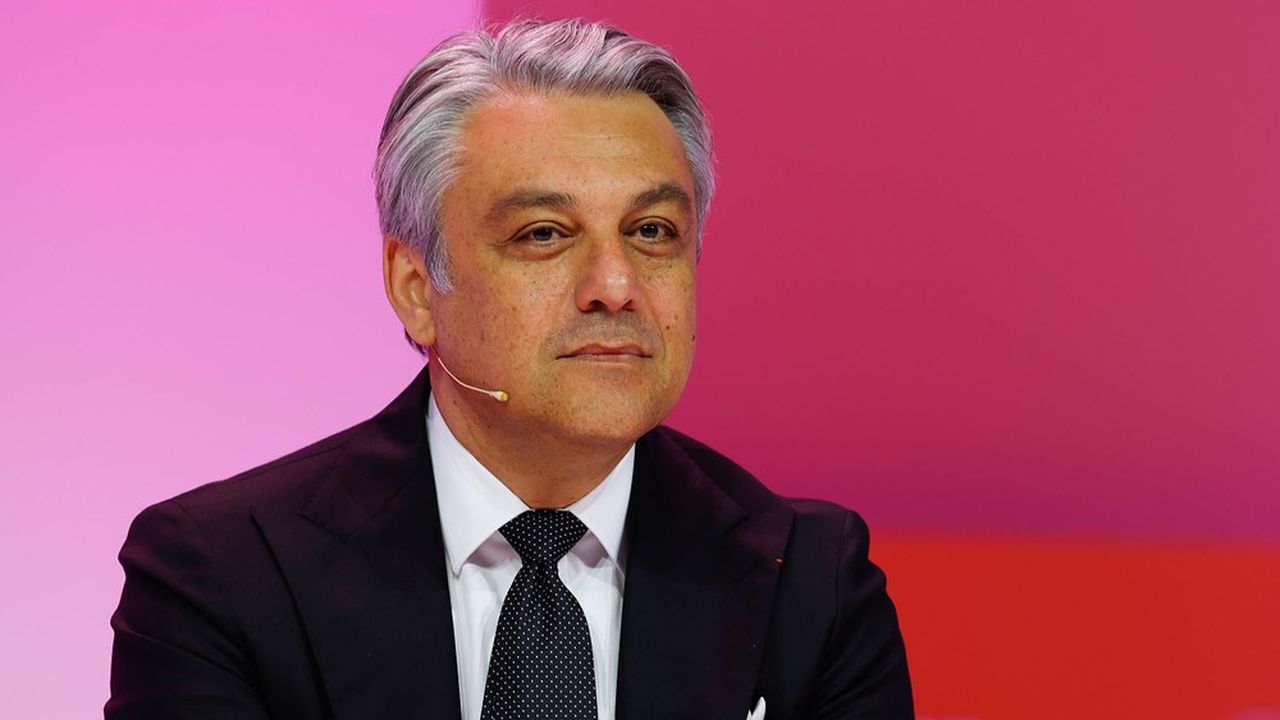
The announcement sent shockwaves through the luxury world: Luca de Meo, until now the boss of Renault, will become the new CEO of Kering starting in September 2025. This is the first time an automotive figure has taken the reins of a luxury giant, the parent company of Gucci, Yves Saint Laurent, Bottega Veneta, Balenciaga, and Boucheron. The news, made official on June 16, was welcomed by the financial markets: Kering shares surged by nearly 12%, while Renault shares fell at the same time, a sign of investor confidence in this bold choice and the “savior” aura surrounding Luca de Meo. François-Henri Pinault, now solely chairman, will step down from the executive role he has held since 2005. The separation of the roles of chairman and CEO marks a governance overhaul hailed as a major milestone, symbolizing Kering's entry into a new era.
Kering's decision to opt for a leader from an industry as far removed as automotive highlights the critical nature of the situation. The group has been going through serious turbulence for the past two years, with its flagship brand Gucci losing momentum and seeing its sales collapse. Yet Gucci accounts for nearly half of Kering's revenue and about two-thirds of its operating profit. This extreme dependence makes this underperformance all the more consequential. Kering's consolidated revenue fell by 14% in the first quarter of 2025, widening the gap with competitors like LVMH and Hermès. On the stock market, Kering's market capitalization melted by more than 60% between 2021 and 2025, and is now worth only a fraction of its rivals. Long the number two player in the sector, Kering has now been clearly left behind. Burdened by debt from a series of recent acquisitions and facing a slowdown in luxury spending in China and the United States, the group's model has been shaken. Its internal organization, long considered in need of improvement, is no longer viable in a more demanding environment. With no internal candidate deemed capable of spearheading a major turnaround, the decision was made to look for an external profile capable of bringing a fresh perspective.
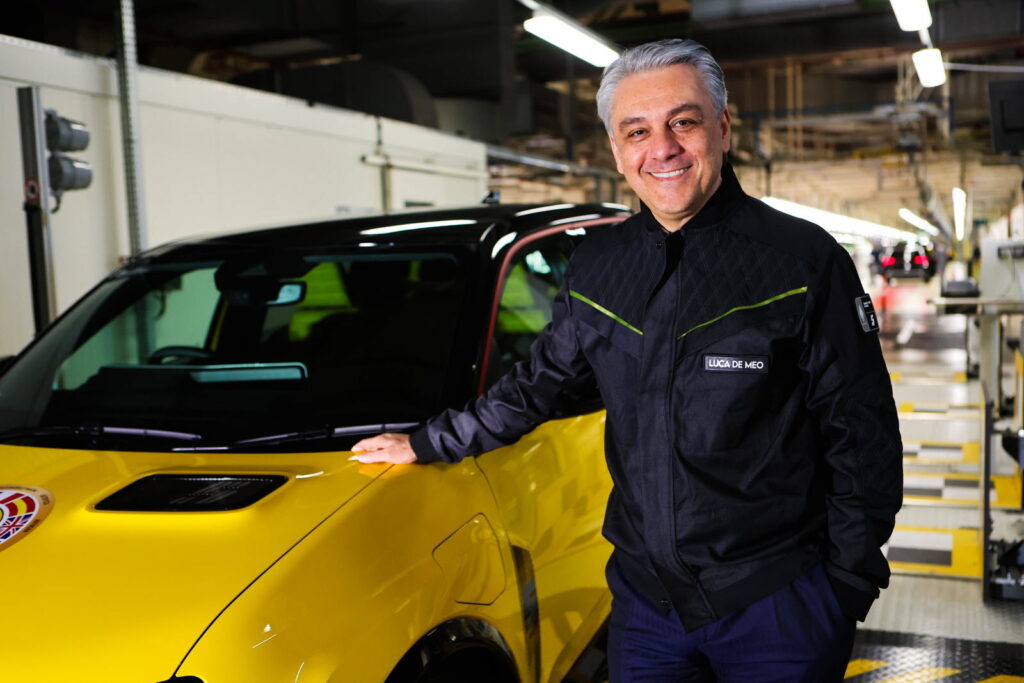
Luca de Meo is a respected name in the automotive world. The 58-year-old Italian, a graduate of Bocconi in Milan, has three decades of experience in the sector. He has distinguished himself by reviving struggling brands: at Fiat, he helped bring back the iconic 500; at Seat, he launched Cupra; and most notably, at the helm of Renault since 2020, he led a spectacular turnaround through the Renaulution plan. Under his leadership, Renault recorded historic results despite a challenging environment. His strategic approach, marketing savvy, and ability to steer complex groups make him a rare profile. He is also known for knowing how to manage powerful shareholders, which bodes well for his relationship with the Pinault family. His Italian background is seen as an additional asset, as many of Kering's key brands (Gucci, Bottega Veneta, Brioni, Pomellato) share this culture.
The choice of Luca de Meo marks a break with tradition in the luxury landscape. It is the first time a leader from the automotive industry has taken the helm of such an iconic group. This move recalls other risky bets in the past, but they are very rare at this level. The goal is to introduce a more industrial, structured logic into a world dominated by creativity and emotional
marketing. De Meo will not come to dictate the aesthetic of the collections, but his mission will be to streamline the organization, simplify processes, boost financial performance, and accelerate the integration of the group's new activities, such as Kering Beauté or the acquisition of Valentino. He will also have to manage rising debt and a brand image that needs redefining. His immediate priority will of course be Gucci, but without neglecting the other brands in the portfolio, including those related to jewelry and watchmaking.
Beyond fashion, Kering retains valuable assets in high jewelry and watches, starting with Boucheron. The arrival of a leader trained in technical precision and industrial mastery could foster interesting synergies between these worlds. Time will tell if Luca de Meo succeeds in restoring Kering's lost luster, but this gamble symbolizes a clear determination: to turn the page on stagnation and go back on the offensive, with a more structured, disciplined, and undoubtedly more legible vision for the markets.
At Osterman Watch, we will closely follow Luca de Meo's first steps in the luxury world, where every decision can change the perception, and sometimes even the value, of a brand.
If you found this article interesting, you can also discover our article on Swiss watch exports: a +149% jump to the United States, but at what cost?
Request Private Access to Osterman Index
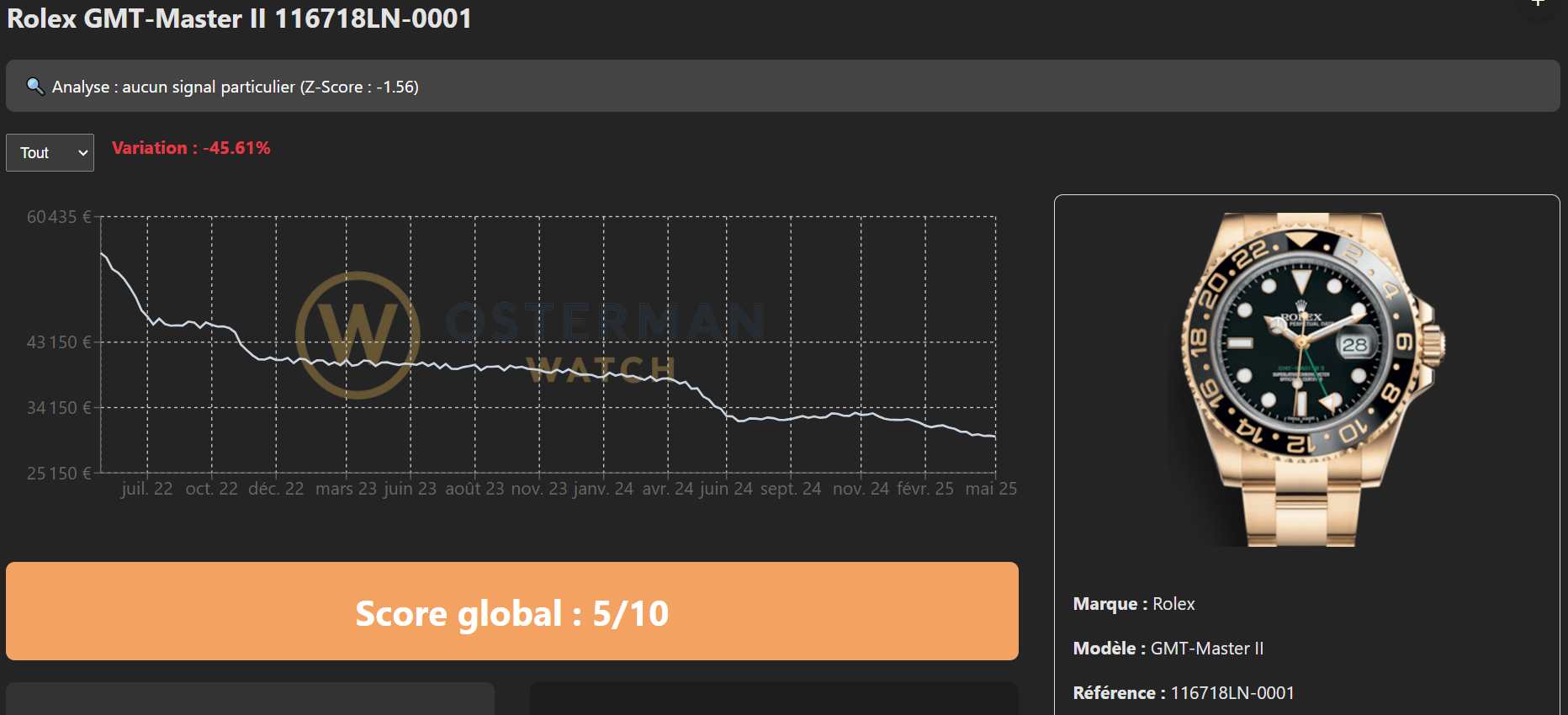
The new face of Osterman Watch is coming.
We are transforming Osterman Watch into a comprehensive watch market analysis platform.
With Osterman Index, track real price trends on the secondary market, discover exclusive indices, measure the liquidity, growth, and popularity of the most sought-after watches, and build your personal portfolio of timepieces.
Designed for collectors, investors, and industry professionals,
Osterman Index gives you the concrete tools to anticipate, compare, and decide.