LVMH Rebounds, Luxury Wakes Up: Will Watches Drive the Recovery?
After hitting a six-year low, LVMH stock has put together a string of positive sessions. However, China, polarization, and pricing still weigh on the sector. Only watches and jewelry are truly holding their ground.
After hitting its lowest level since August 2020 in early October, followed by four consecutive rising sessions in early November, LVMH stock is bouncing back, dragging the entire European luxury sector with it. Yet behind this stock market rebound, the sector's vulnerabilities remain intact. One division, however, has been holding its ground since the beginning of the year: watches and jewelry.
A rebound from a six-year low
In early October, LVMH shares fell to €376, their lowest level since August 11, 2020. On November 5, according to Zonebourse, the stock recorded its fourth consecutive green session, a streak unseen since June, representing a gain of over 13% in a month. The upward trend extends beyond LVMH, with Hermès, Richemont, Kering, and Moncler also benefiting.
Two main drivers explain this awakening. First, investors have been rotating out of artificial intelligence stocks in recent weeks, looking for overlooked sectors. Luxury, which has struggled since brands found themselves unable to raise prices without losing customers, is one of them. Second, the Democratic surge in the US elections has raised hopes for smoother trade relations, leading to more trade and tourism, two essential drivers for European houses.
The starting point remains low. By September 9, the stock had already lost a third of its value in a year, far from its 2023 peak of over €900.
Three headwinds that still blow strong
For Luca Solca, head of luxury goods research at Bernstein, the luxury sector is still paying for the post-Covid euphoria. For two years, consumers spent far beyond their usual habits, “determined to enjoy life rather than die rich,” he summarizes. The analyst identifies three fundamental trends.
China is experiencing a prolonged slowdown, worsened by its real estate crisis. There is little option but to wait it out.
Deglobalization and the rise of AI are expected to weigh on white-collar employment and salaries. Consumption is polarizing: the ultra-high-end and entry-level segments are holding up, while the middle class is falling behind.
Excessive price increases in so-called “soft” luxury, leather goods, and ready-to-wear, must be corrected.
This third lever is what interests Bernstein the most. The firm expects LVMH, following Chanel's lead, to address its accessibility issue during the 2027 fiscal year. Kering has already lowered some prices, but in the wrong way according to Solca: reducing the price of existing products damages brand image. The challenge lies in offering new entry points without compromising on desirability. Bernstein believes this equation is solvable.
Watches and jewelry, the quiet engine of LVMH
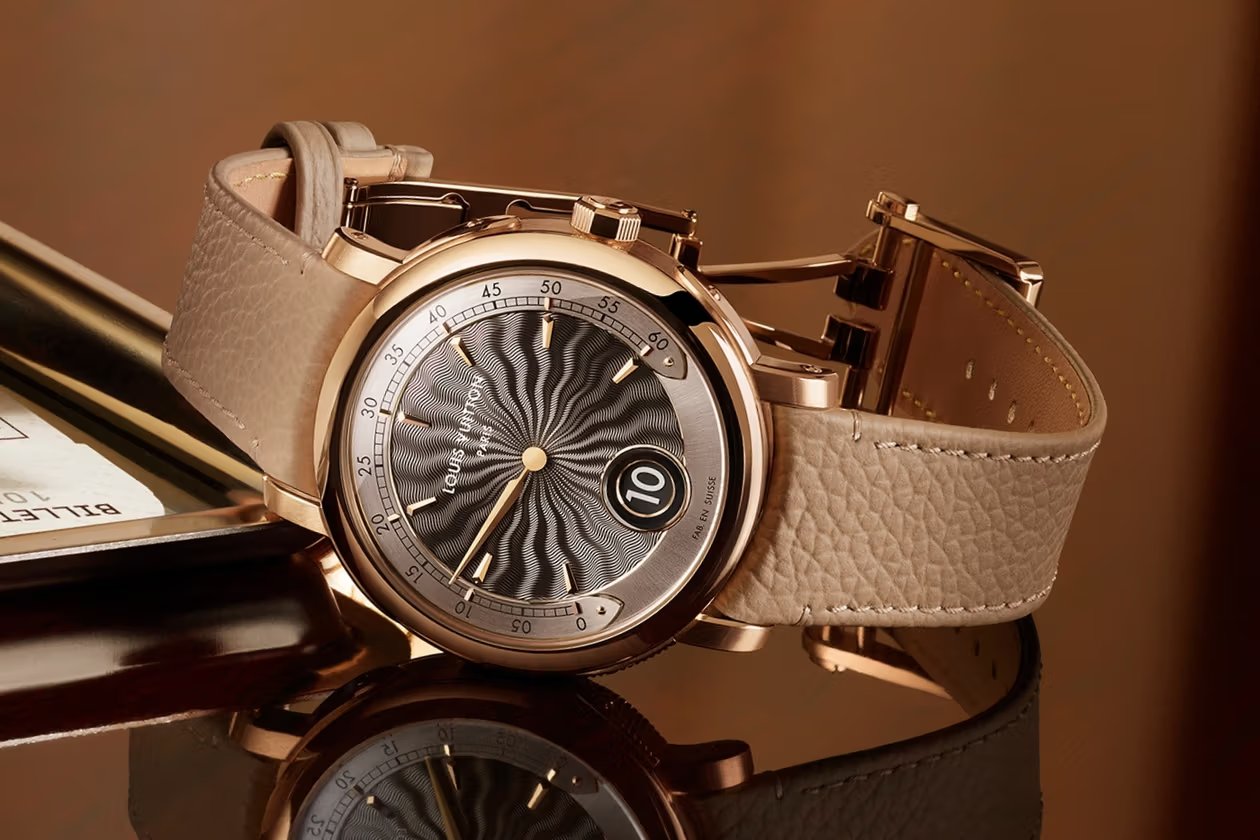
The third-quarter sales illustrate this gap between divisions. The group generated €18.5 billion, representing organic growth of just 1%. Fashion and leather goods, its historical core, fell by 5% to €8.2 billion. Conversely, watches and jewelry grew by 6% to €2.5 billion, following a 7% increase in the first quarter and an 11% increase in the second.
Division (LVMH) | Q1 2026 | Q2 2026 | Q3 2026 |
|---|---|---|---|
Fashion and Leather Goods | −2% | +1% | −5% |
Watches and Jewelry | +7% | +11% | +6% |
Group | +1% | +3% | +1% |
Organic growth by quarter. Source: LVMH.
This momentum comes primarily from Tiffany and Bvlgari, whose Eclettica high jewelry collection broke records. Pure watchmaking, with TAG Heuer, Hublot, and Zenith, carries less weight in these figures, and LVMH does not break down the contribution of each individual brand. The division is now led by Jean-Christophe Babin.
This observation extends beyond LVMH. “Hard” luxury, watches and jewelry, is holding up significantly better than “soft” luxury. Richemont, where jewelry accounts for about three-quarters of the business, has weathered the year better than its fashion competitors. Furthermore, Swiss watch exports grew by 11.7% in September, marking their fourth consecutive month of growth.
What this means for watch enthusiasts
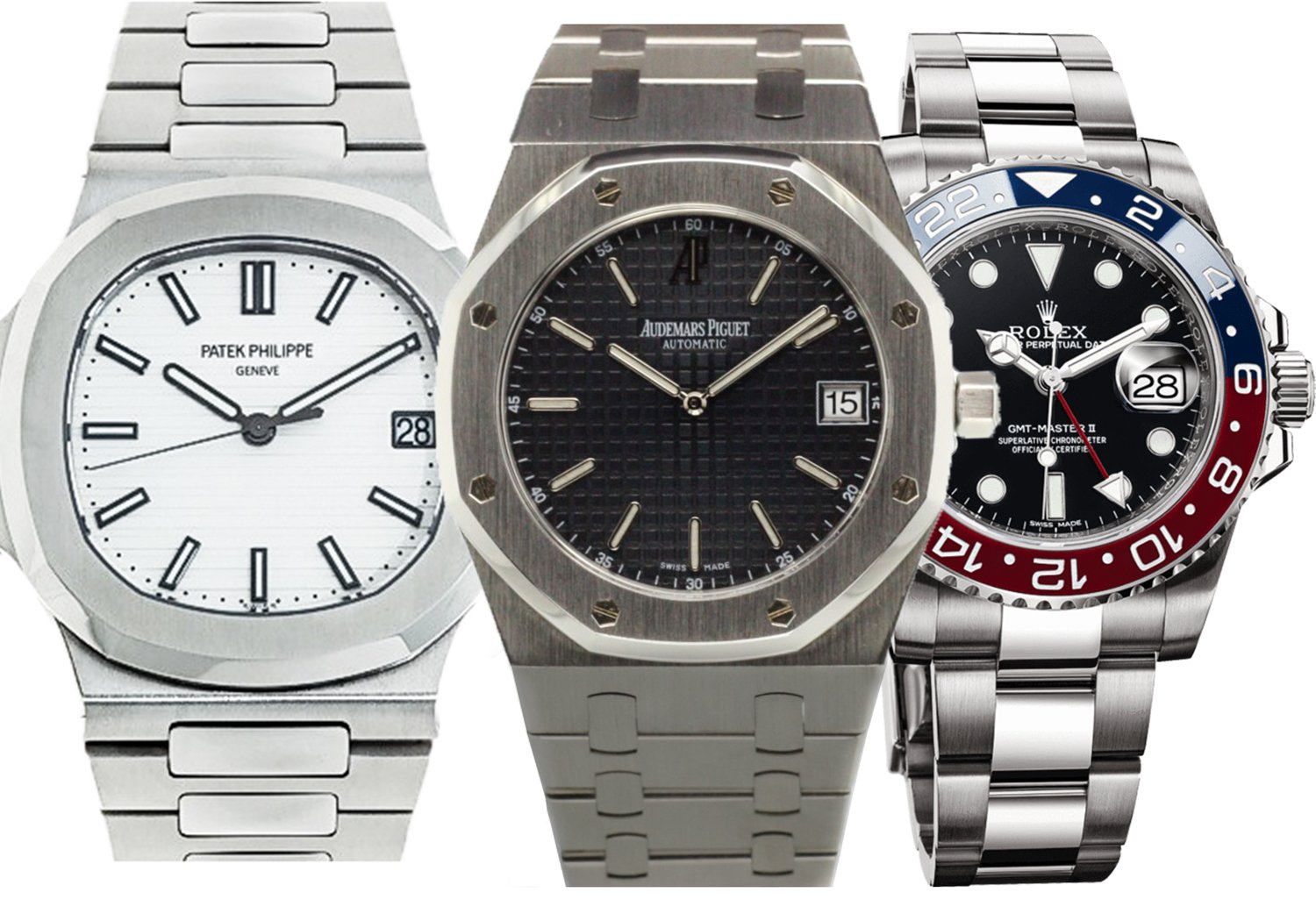
The polarization described by Bernstein is something watchmaking has been experiencing for several years: ultra-luxury triumphs while the mid-range suffers. Independent brands and major names like Rolex, Patek Philippe, or Audemars Piguet capture the strongest demand. Brands positioned between €3,000 and €10,000, which include a significant portion of LVMH's watch portfolio, are the most exposed to the middle-class pullback.
The debate over accessibility also applies to watches. After years of retail price increases, a strategy of introducing more affordable new references would align with what Bernstein recommends for leather goods. Conversely, price cuts on existing models would hurt their resale value, a point to which collectors are highly sensitive.
Finally, a stock market rebound does not automatically translate to the secondary market. Pre-owned prices react primarily to actual demand and dealer inventory, with a lag of several months. To see if the recovery is taking hold in the watch market itself, follow the Osterman Index, updated weekly.
Key dates to watch
November 13: Richemont half-year results, the first test for hard luxury.
Late November: Swiss watch export figures for October.
December: the holiday season, a decisive period for jewelry and watches.
Late January 2027: LVMH full-year results, and perhaps the first signs of the accessibility strategy expected by Bernstein.
Sources: Zonebourse, LVMH, Bernstein, L'Essentiel de l'Éco, Frontaliere Ticino.