Polarization of the Watch Market: The Mid-Range is Losing Ground
Since 2020, Swiss exports have hit record values while dropping in volume. In 2024, the sub-CHF 3,000 segment fell by around 15% as the high-end grew and the Big Four captured nearly half the market. An analysis of regions, causes, and outlook.
Since 2020, the global watch industry has experienced a succession of dramatic shocks and rebounds. The pandemic initially triggered a historic drop of over 20% in exports, which fell to CHF 17 billion, before a powerful recovery began in 2021 with a new record of CHF 22.3 billion. This momentum continued in 2022 and 2023, peaking at CHF 26.7 billion, a 20% increase compared to 2021. But behind these flattering figures, a structural reality has emerged with increasing clarity: growth is now almost exclusively driven by the high-end segment, while volumes decline and the mid-range loses its central position.
In 2024, the turnaround became clear. Exports dipped slightly to CHF 26.0 billion (-2.8%), but this average conceals sharp disparities. Watches with an export value of under CHF 3,000, which make up the bulk of the mid-range segment, saw their sales plummet by over 15%, while the high-end segment grew by another 1%. This asymmetry is all the more striking as volumes collapse: only 15.3 million watches were exported in 2024, a historic low, compared to over 28 million a decade ago. The industry is therefore selling fewer watches but at increasingly higher prices, a clear sign of premiumization.
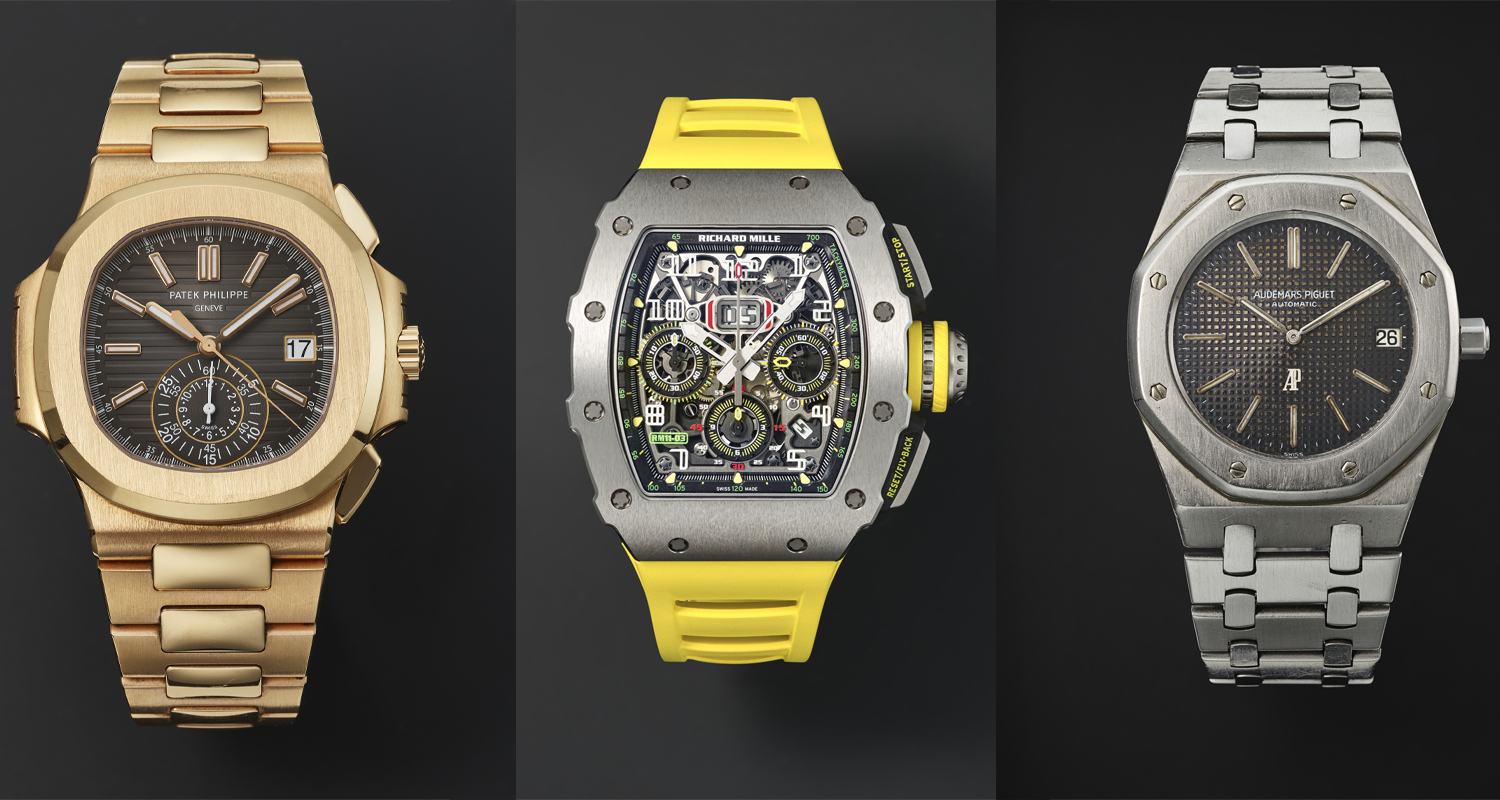
This shift is perfectly reflected in the distribution of market share. In 2024, Rolex, Patek Philippe, Audemars Piguet, and Richard Mille alone captured 47% of the total value, compared to 37% in 2019. Rolex dominates with over CHF 10 billion in revenue and a 32% market share, Patek exceeds 6.5%, Audemars Piguet continues to break records, and Richard Mille remains in a league of its own with average prices exceeding CHF 250,000. Conversely, the Swatch Group, LVMH, and Richemont have all lost market share, particularly within their mid-range brands. Omega remains solid but has slipped slightly, Longines and Tissot are struggling in China and the United States, TAG Heuer is making modest progress but Hublot is losing steam, while Baume & Mercier and IWC are struggling to find a second wind. These houses, positioned between €1,000 and €5,000, find themselves squeezed: too expensive to compete with the smartwatches capturing the entry-level market, and not exclusive enough to compete with the status-symbol icons that are snapped up at the top of the market.
Geography further accentuates this polarization. The United States has once again become the largest individual market, accounting for over 16% of exports in 2024, benefiting from a young clientele, a strong dollar, and a rapidly expanding watch culture. Europe remains a stable foundation, driven by tourism and robust domestic purchases, even if the strength of the Swiss franc limits growth. Asia, on the other hand, presents a mixed picture: mainland China plunged by 25.8% in 2024, Hong Kong fell by nearly 19%, but Japan, Singapore, and South Korea partially offset this weakness. The overall balance is thus shifting, with the relative weight of China, long the sector's growth engine, declining in favor of the United States and rapidly growing secondary Asian markets.
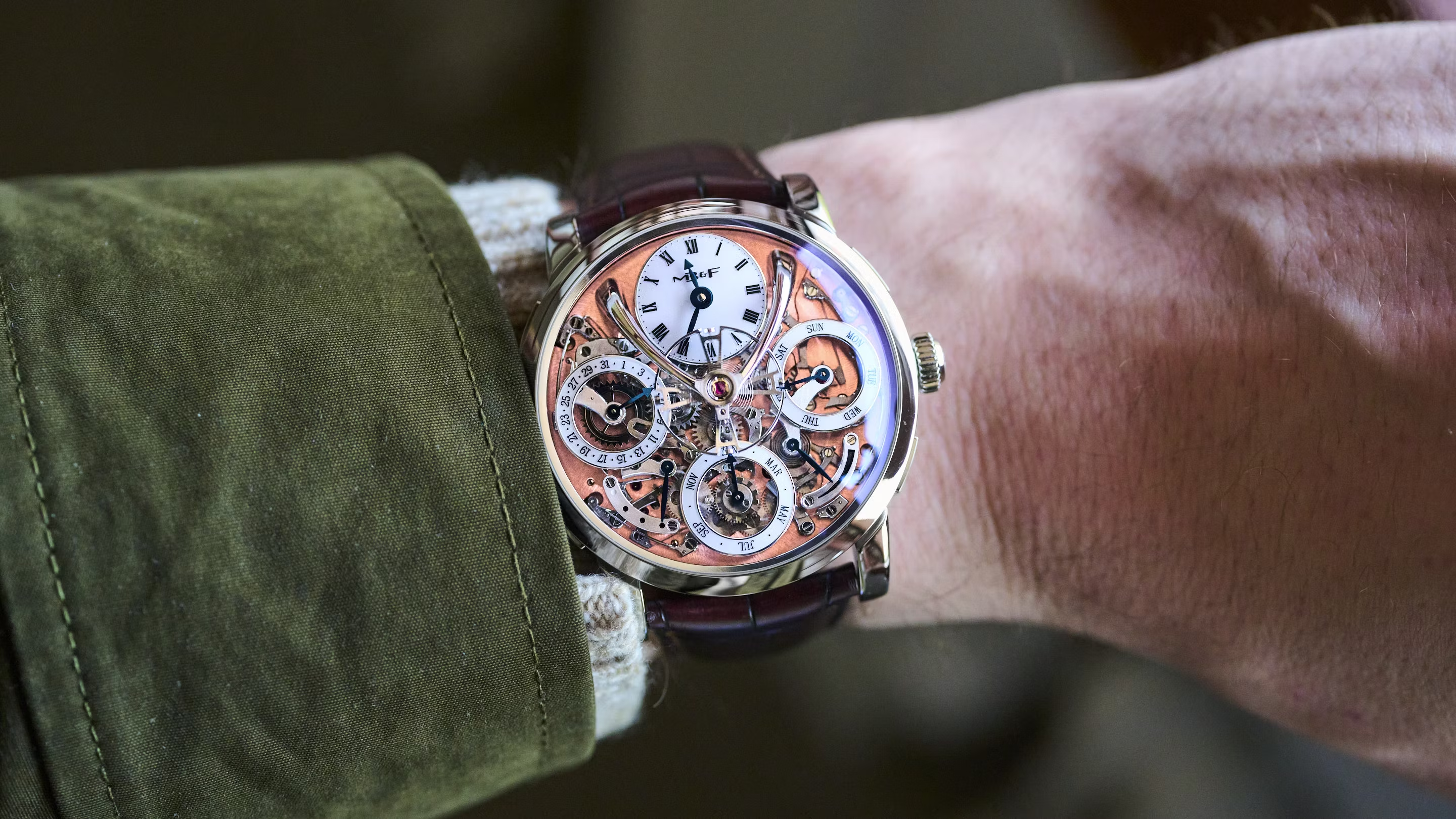
Another key element of this transformation is the rise of independent watchmakers. Brands like MB&F, F.P. Journe, De Bethune, and Arnold & Son remain marginal in terms of volume, but exert a disproportionate influence through their creativity, exclusivity, and ability to attract a wealthy collector clientele. Their rise in the rankings confirms that current growth is driven as much by status-driven ultra-luxury as by artisanal independents, leaving little room for a mid-range perceived as too interchangeable.
The causes of this polarization are multiple and structural. The high-end segment benefits from strong perceived value, supported by speculation and a booming secondary market, while mid-range models depreciate rapidly. Distribution has concentrated in the hands of the major houses, which are better at managing scarcity and exclusivity, while mid-tier brands remain exposed to discounting and the grey market. Smartwatches have captured a large share of functional demand, redefining the role of the traditional watch, which now exists primarily as a status symbol or an object of passion. Finally, younger generations, influenced by social media and seeking distinction, favor absolute icons or rare creations, to the detriment of mid-range watches seen as too commonplace.
In 2025, the watch industry thus presents an increasingly polarized face. High-end leaders are strengthening their grip, independents are gaining prestige, and the mid-range is wavering between repositioning, survival, or absorption. Time will tell whether these brands will succeed in redefining their perceived value, or if they will be permanently relegated to the shadows of a market now dominated by extremes.