Powell at Jackson Hole: A Turning Point for Watchmaking?
Jerome Powell's speech at Jackson Hole paves the way for a rate cut as early as September. What are the implications for Swiss watchmaking in the midst of a market correction?
On August 22 at Jackson Hole, Jerome Powell adopted a more dovish tone, suggesting that monetary easing could begin as early as September. He highlighted that risks to the labor market have now tilted to the downside, while acknowledging that tariffs continued to put upward pressure on inflation. However, he did not announce an official rate cut, but instead opened the door to cautious adjustments depending on incoming economic data.
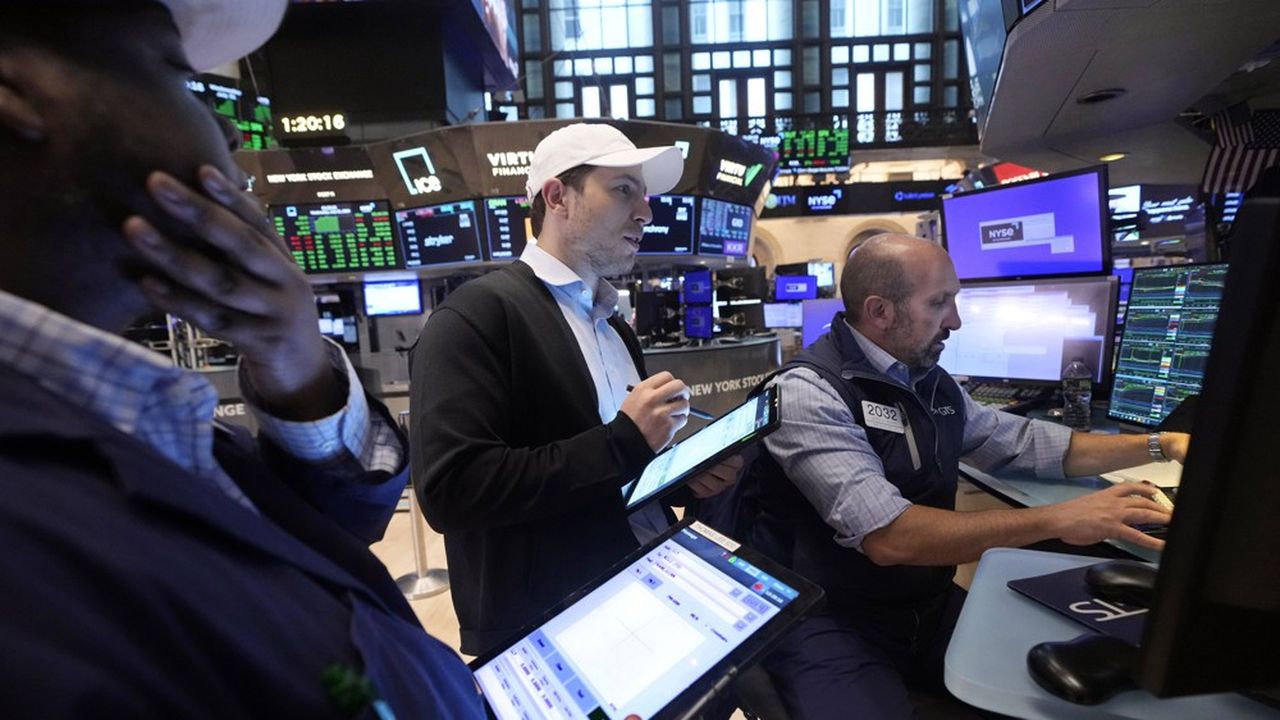
This shift in tone immediately triggered a wave of optimism across the markets: US equities surged, with the Dow, the S&P 500, and the Nasdaq gaining between 1.5% and 2%, while bond yields fell and the dollar weakened. Investors sharply increased the probability of a 25-basis-point cut in September, now estimated at between 85% and 90%.
Powell also revisited the Fed's strategic framework, indicating that the approach used since 2020, centered on flexible average inflation targeting, needed to be reassessed. The commitment to a 2% inflation target was reaffirmed, with a clear warning: the Fed will not allow a temporary tariff shock to turn into persistent inflationary momentum.
For the watch sector, this shift in tone could have tangible implications. It renews hope for a more favorable monetary environment, with fresh liquidity flowing into high-net-worth portfolios, potentially lower financing costs for retailers, and a psychological climate once again conducive to high-end purchases. In short, confidence, which is essential for collectible watch purchases, could gradually return.
That said, Powell remained cautious: he did not commit to a timeline and clearly stressed that any decision would depend on incoming data. The upcoming employment and inflation reports will therefore be decisive. For the watch world, this brings the prospect of a new cycle, but also the need to stay attentive to macroeconomic developments: a pendulum that, if it swings the right way, could revive demand without reigniting a new speculative bubble.