Rolex and Watchmaking Education in the US: Balancing Heritage and the Talent Crisis
Rolex is strengthening its commitment to watchmaking education in the United States with a new center in Dallas, addressing the global shortage of master watchmakers.
The global watch industry is not immune to labor market pressures. In the United States, the master watchmaker profession is facing an unprecedented shortage. In 2023, there were only 1,880 professional watchmakers left in the country, compared to 2,430 three years prior, representing a 23% drop. This deficit has visible consequences: longer repair times, bottlenecks in after-sales service, and a threat to the transmission of an already rare expertise. In response to this situation, Rolex decided to take action.
The Legacy of the Lititz Watch Technicum
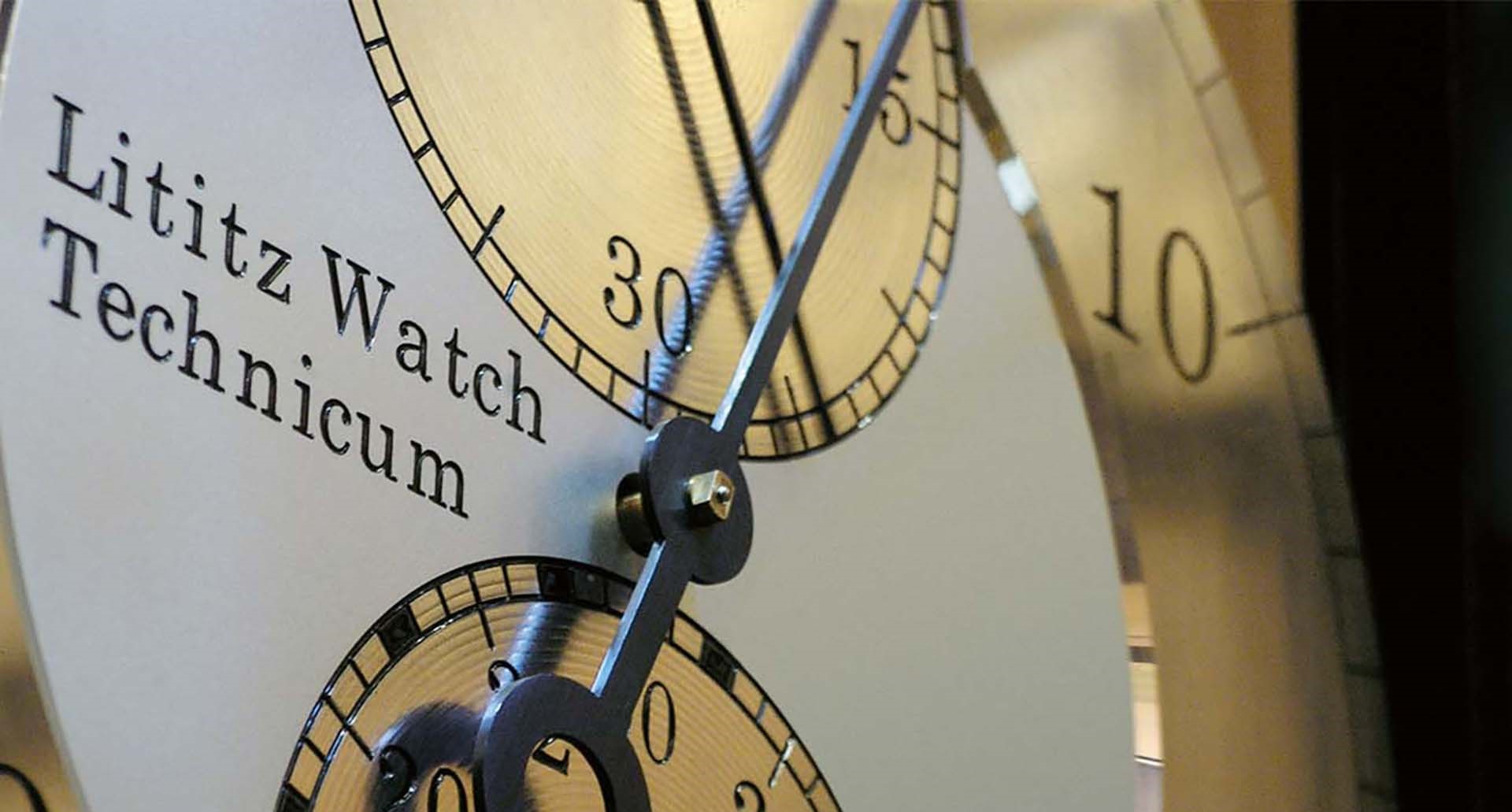
In 2001, Rolex founded a unique institution in Lititz, Pennsylvania: the Lititz Watch Technicum. Conceived as a high-precision school, it offered an intensive two-year curriculum (approximately 3,000 to 3,500 hours of training) fully aligned with the SAWTA (Swiss American Watchmakers' Training Alliance) program.
Students learned micromechanics, the repair of complex movements, including chronographs, and graduated with versatile, multi-brand skills. Tuition was free, with costs limited to purchasing a toolset (around $6,500).
This comprehensive approach trained several generations of artisans capable of working in both independent workshops and authorized service centers. However, after more than twenty years, the class of 2025 was the last. The program has been discontinued, marking the end of an important chapter in the history of American watchmaking education.
A New Model: The Dallas Watchmaking Training Center

Rather than replicating the long-form format, Rolex is now opting for a more compact, career-oriented model. In September 2024, the brand inaugurated the Rolex Watchmaking Training Center in Dallas, Texas. This intensive 18-month program is entirely tuition-free and designed to quickly train watchmakers specializing in the servicing and maintenance of Rolex watches.
The curriculum is divided into two phases:
- 12 months of theoretical and practical learning on the fundamentals of Rolex watchmaking.
- 6 months of direct hands-on work on actual timepieces in an after-sales service environment, applying the brand's official procedures.
Each class is limited to 15 students, with two intakes per year (March and September). Selection is highly competitive: the first session received over 400 applications, and the next received 560. The goal is clear: to quickly supply operational technicians capable of strengthening the global authorized service network. Graduates receive a Rolex After-Sales Service Watchmaker certification and can expect starting salaries between $75,000 and $85,000 per year.
The Question of Technical Depth
This shift toward shorter programs has sparked debate within the profession. Tony Traina, author of the Unpolished Watches newsletter, notes:
“Training people faster helps meet demand, but the trade-off is that it doesn't always provide the comprehensive foundation that a certified master watchmaker program offers.”
In other words, a Dallas graduate is ready for Rolex after-sales service, but does not necessarily possess the versatility of a Lititz alumnus or a graduate of a traditional Swiss school. While this does not prevent some from pursuing further specialization through other paths, it clearly refocuses training on the brand's immediate needs.
A Pragmatic Response to an Urgent Need
In a context where the US luxury watch market is experiencing sustained demand, particularly for the servicing of existing models, this initiative appears to be a pragmatic response. It strengthens the Rolex network's ability to offer shorter repair times and consistent service quality, while creating attractive career opportunities.
The closure of Lititz may be seen as the end of a broader, more academic era of education, but the Dallas program demonstrates a willingness to adapt: training quickly, efficiently, and in direct alignment with the operational needs of a watchmaking giant.