Rolex Wins Lawsuit Against Pinel & Pinel
The Paris Court of Appeal has ruled against Pinel & Pinel for parasitism after the brand used abbreviations linked to Rolex's iconic models. The Swiss watchmaker won the case and was awarded €75,000 in damages.
The legal battle between Rolex and Pinel & Pinel recently reached its conclusion before the Paris Court of Appeal, marking a significant moment for the luxury industry. At the heart of the dispute were watch winders created by Pinel & Pinel, a house specialising in high-end leather goods. These accessories, designed to keep automatic watches running when not being worn, featured abbreviations such as GMT, SUB, DT, and XP. These acronyms are far from harmless, as they refer directly to iconic Rolex models: the GMT-Master, Submariner, Daytona, and Explorer, respectively. Although Rolex does not manufacture watch winders itself, the Geneva-based brand argued that this usage unfairly traded on its image and prestige, creating an artificial link between its watches and the products sold by Pinel & Pinel.
In its complaint, Rolex put forward a central argument: parasitism. Unlike trademark infringement or counterfeiting, which involves reproducing a protected product, parasitism refers to free-riding on a third party's reputation to promote one's own creations. In the eyes of the Crown brand, using abbreviations directly associated with its most famous models was intended to capture the attention of collectors and watch enthusiasts, suggesting a non-existent connection or endorsement. This marketing strategy, which might have seemed harmless, was viewed by the judges as an unjustified exploitation of Rolex's aura.
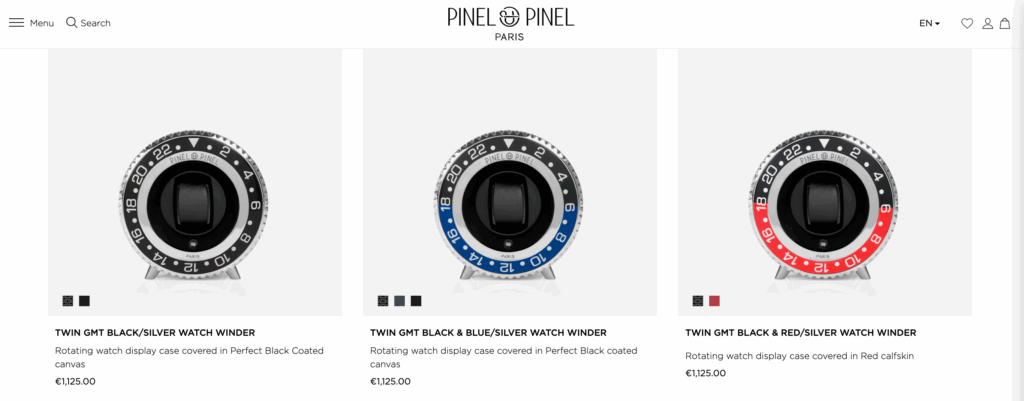
In June 2025, the Paris Court of Appeal confirmed that Pinel & Pinel was indeed guilty of unfair competition and parasitism. The ruling highlights that these abbreviations created a risk of confusion for consumers, who might believe there was an implicit affiliation with or approval from Rolex. Consequently, the court ordered an immediate halt to the sale of the offending watch winders and ordered Pinel & Pinel to pay €75,000 in damages. While the amount may seem modest compared to Rolex's colossal revenues, it represents the legal recognition of symbolic harm, namely the damage to the image of a globally prestigious brand. It is less about compensating for a direct financial loss and more about reiterating that a name, an abbreviation, or a visual universe is an integral part of a luxury brand's intangible assets.
Pinel & Pinel had attempted to counter-attack by accusing Rolex of defamation. The argument was based on a letter sent by the Swiss brand to certain retailers, pointing out the disputed use of these abbreviations. The Court dismissed this accusation, ruling that Rolex was simply exercising its right of vigilance to protect its identity. This aspect of the decision highlights the power dynamic that regularly pits major luxury houses against smaller creators or artisans: even when they do not operate in the same market, these brands possess formidable legal power when their reputation is at stake.
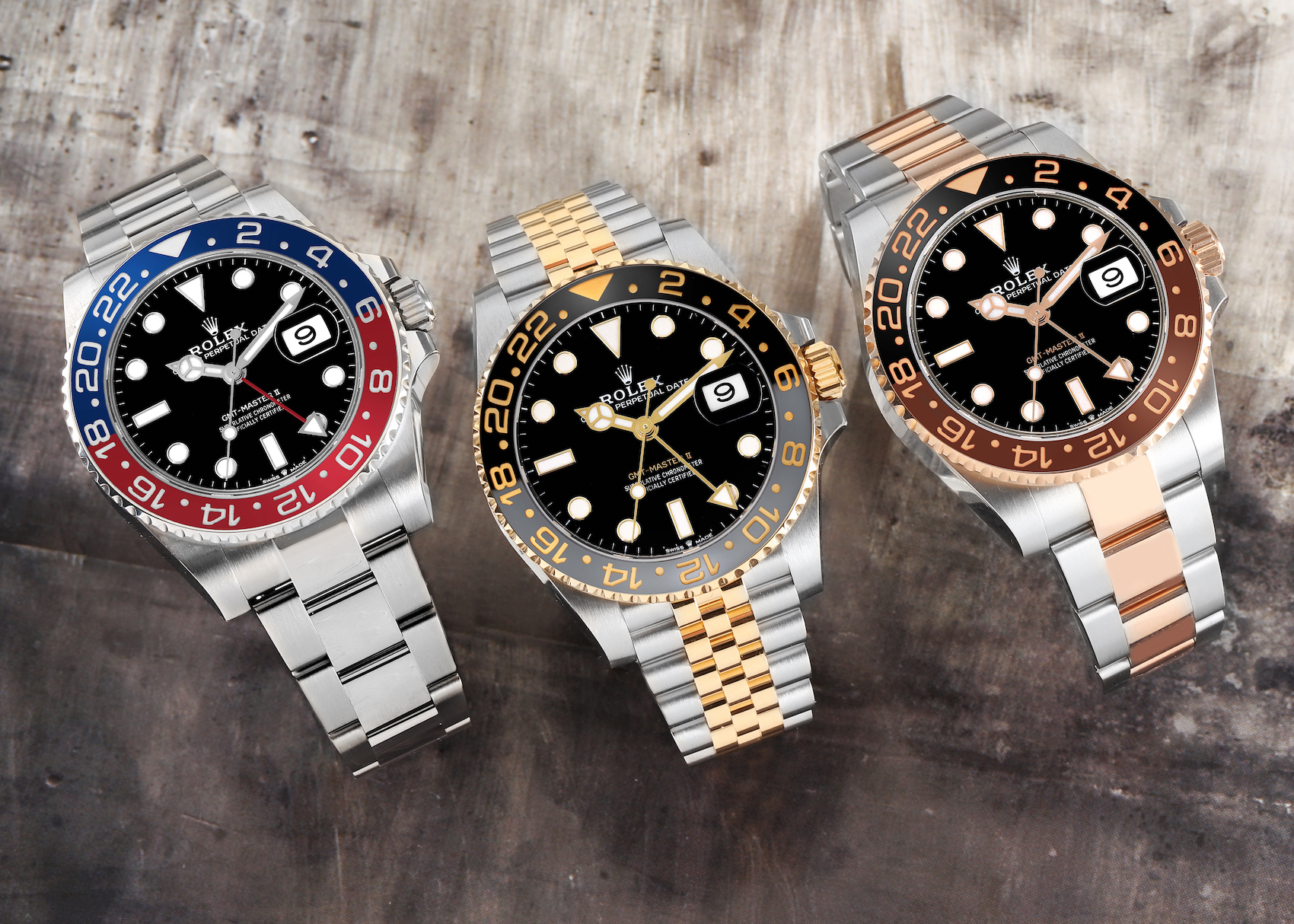
The significance of this case goes far beyond the conflict between two companies. It raises the broader question of protecting the symbolic codes unique to luxury. The ruling demonstrates that the reputation of a house like Rolex is not limited solely to its physical products. Even outside its manufacturing scope, its reputation enjoys a legal extension that prevents other players from appropriating, even indirectly, elements associated with it. The offending abbreviations were not copies of watches but evocative signs, showing how far the law extends its protection to a brand's intangible universe.
In a market where brand image and identity play just as crucial a role as the intrinsic quality of the products, this decision serves as a reminder that boundaries are strictly policed. Players operating around watchmaking or leather goods must now exercise double the caution when using lexical or visual references that could suggest a link to established houses. The Rolex v. Pinel & Pinel case sends a clear warning: drawing too directly from the codes of a luxury giant can turn into a major legal risk. For Rolex, this legal victory is part of a broader strategy to preserve an image built over more than a century, which remains one of its most valuable assets.