Swiss Watch Exports Q1 2025: Asia Slumps, America Supports, Europe Stabilises
<img width="1024" height="578" src="https://ostermanwatch.com/wp-content/uploads/2025/04/ChatGPT-Image-21-avr.-2025-21_43_19.png" alt="" srcset="https
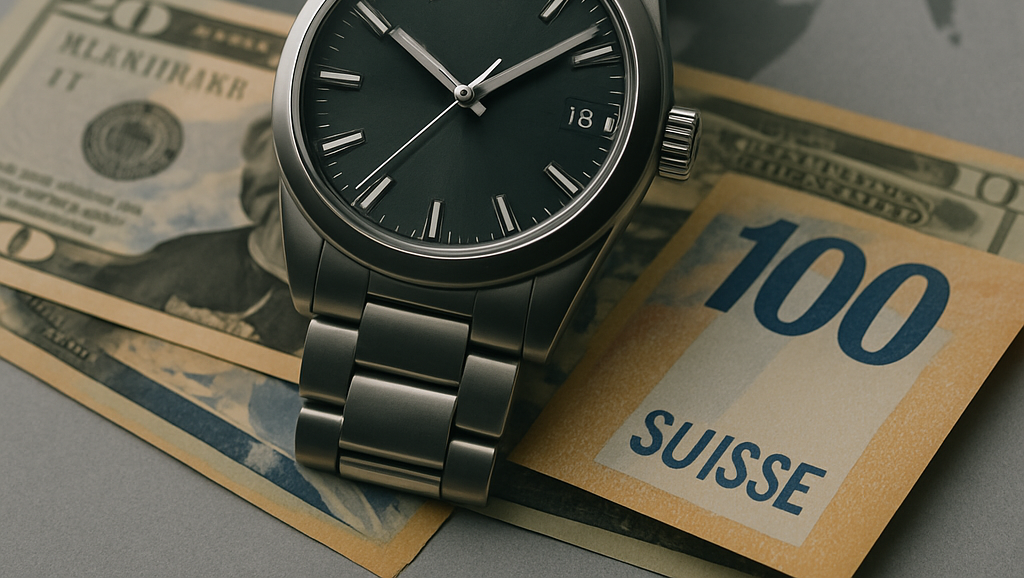
The Swiss watch industry has just wrapped up the first quarter of 2025 slightly down, with exports falling 1.1% to CHF 6.1 billion. Behind this apparent stability, regional disparities are widening sharply. Asia, which accounts for nearly half of Swiss watchmaking's market, collapsed by 7.2% over the period. This massive decline contrasts with the strong performance of North America, which grew by 6.2%, and the relative resilience of Europe, up 3.3%. Faced with this geographical realignment of demand, major Swiss watch brands are revising their strategies, juggling price increases, tighter control over distribution, and a reorganization of their regional priorities.
On the brand side, Rolex has continued to lock down its business model by strengthening its grip on distribution. The integration of the Bucherer network allows it to absorb a growing share of the value chain and finely control its image with end consumers. In parallel, Rolex has consolidated its strategy in the secondary market with its certified pre-owned program, capturing customers searching for models that have become impossible to find new. Other watchmakers are also playing the exclusivity and scarcity card to protect their positions. Patek Philippe, Audemars Piguet, and F.P. Journe are deliberately keeping production volumes low, preferring to build loyalty among a demanding collector base rather than expanding supply.

The Swatch Group, heavily exposed to Asia, suffered from the sharp drop in exports to China and Hong Kong. To cushion the blow, it has refocused its efforts on more dynamic markets such as the United States, Japan, and India. The company has also launched a wave of new releases across all its brands, from the accessible segment to high-end watchmaking, to stimulate demand. At the same time, it adjusted its prices in certain strategic markets, notably the United States, where several models, including those from Blancpain, saw price increases of up to 10% in response to the rising Swiss franc and the introduction of new US tariffs on Swiss products. This pricing strategy aims to preserve margins while maintaining export volumes, in a context where competitiveness also depends on the ability to absorb currency and tariff shocks.
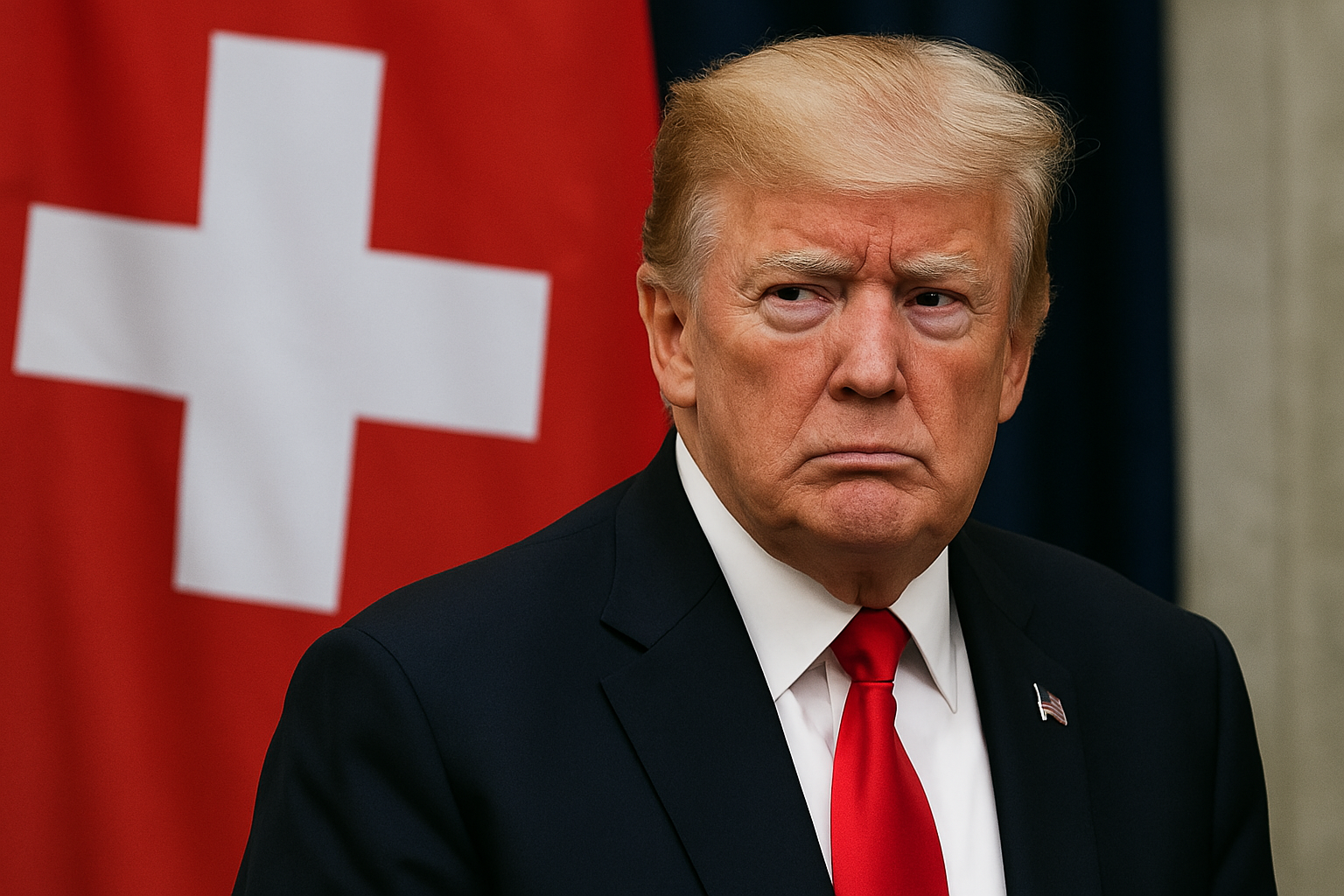
The global trade environment became considerably more tense at the beginning of the year. The United States, driven by the Trump administration, imposed a 10% tariff on several categories of Swiss goods, including watches. This measure, though less severe than the initial threat of a 31% tax, disrupted logistical flows. Several brands accelerated their shipments to the United States before the tariff took effect, causing a spike in exports in March. In the aftermath, prices were adjusted upwards, confirming that Swiss luxury remains more than ever a matter of arbitrage between taxation, exchange rates, and prestige. These tariff tensions also played an indirect role in the decline of exports to China, as they contribute to the economic instability perceived by Asian consumers.
Buying behaviors are evolving rapidly. In the United States, the market remains extremely dynamic. The clientele is young, urban, tech-savvy, and highly informed. They follow trends on social media, compare prices on platforms, and are increasingly interested in resale value. Watches are no longer just status symbols; they are also becoming assets. This explains the meteoric rise of the certified pre-owned market, which major brands are now trying to embrace rather than resist. In the US, the high end remains king: mechanical watches, limited editions, and precious metal models continue to sell very well. However, there is a growing appetite for entry-level luxury pieces, such as Omega or Tag Heuer, which allow a new generation to enter the world of watchmaking.
In China, the situation is radically different. The market is collapsing, hit by the double whammy of an unfavorable economic climate and increased consumer caution. The slowdown in the real estate market, rising youth unemployment, and a stricter political climate are weighing heavily on conspicuous consumption. Added to this is the massive return of shopping tourism: many wealthy Chinese now prefer to buy their watches abroad, particularly in Hong Kong, Singapore, or Europe, where the selection is wider and tax conditions are often more favorable. The average basket remains high, but volumes are falling. Brands, aware of this reality, are focusing their efforts on ultra-premium clients while adapting their local presence through mono-brand boutiques and targeted marketing campaigns on Chinese social networks.
Europe, for its part, remains a stable foundation. Loyal local clients are still showing up, while tourist flows have breathed new life into key destinations like Paris, Geneva, and Milan. The currency effect plays in favor of certain destinations, notably the United Kingdom, where a weak pound attracts international buyers. The continent also remains a market sensitive to notions of heritage, transmission, and authenticity. Brands that highlight their artisanal craftsmanship or offer certified vintage watches are performing well. There is also a growing interest in independent brands, driven by a knowledgeable audience looking for uniqueness.

In the Middle East, the momentum remains positive despite a slight dip in exports. The UAE and Saudi Arabia continue to drive demand, supported by wealthy local and expatriate clients, as well as high-end international tourism. Gulf clients favor spectacular pieces, often gem-set, sometimes customized, and show a strong appetite for limited editions and technical complications. The development of flagship boutiques and the hosting of local watchmaking events reflect the strategic importance of this region for Swiss brands.
Two strong trends are emerging from the start of the year. On one hand, the move upmarket is now structural. Volumes are down, but the average value per piece is skyrocketing. Fewer watches are being sold, but at higher prices, in segments where margins are stronger. On the other hand, the pre-owned market has become essential. It is no longer a marginal phenomenon, but a strategic channel that brands must integrate, control, and monetize. In 2025, a luxury watch is no longer just an impulse or status purchase. It is becoming an investment, an asset, and even a vehicle for personal identity in a world saturated with interchangeable products.
Faced with these transformations, Swiss brands are walking a tightrope. They must maintain their prestige, protect their margins, mitigate geopolitical impacts, and satisfy a consumer who is more informed, selective, and demanding than ever. The start of 2025 confirms that the future of watchmaking will not only be decided in the shop windows of Geneva or at the salons of Place Vendôme, but also in geopolitical decisions, digital strategies, and the ability of major brands to listen to their audience.
If you found this article interesting, you can also discover Trump, tariffs and turbulence: Swiss watchmaking under the threat of a trade war

Osterman Watch
Strategic expertise for demanding watch brands
We support watch brands in their digital development, visibility, and international reach
Content strategy, brand positioning, editorial consulting, high-end format production, targeted communication
An independent, specialized team at the service of your uniqueness
We understand the codes of watchmaking, the expectations of collectors, and market dynamics