Swiss Watchmaking Slumps Again in February
<img width="2380" height="1190" src="https://ostermanwatch.com/wp-content/uploads/2025/03/Swiss-Made-2-1-scaled-1.webp" alt="" srcset="https://osterma
[FRENCH] VERSION
[ENGLISH] VERSION
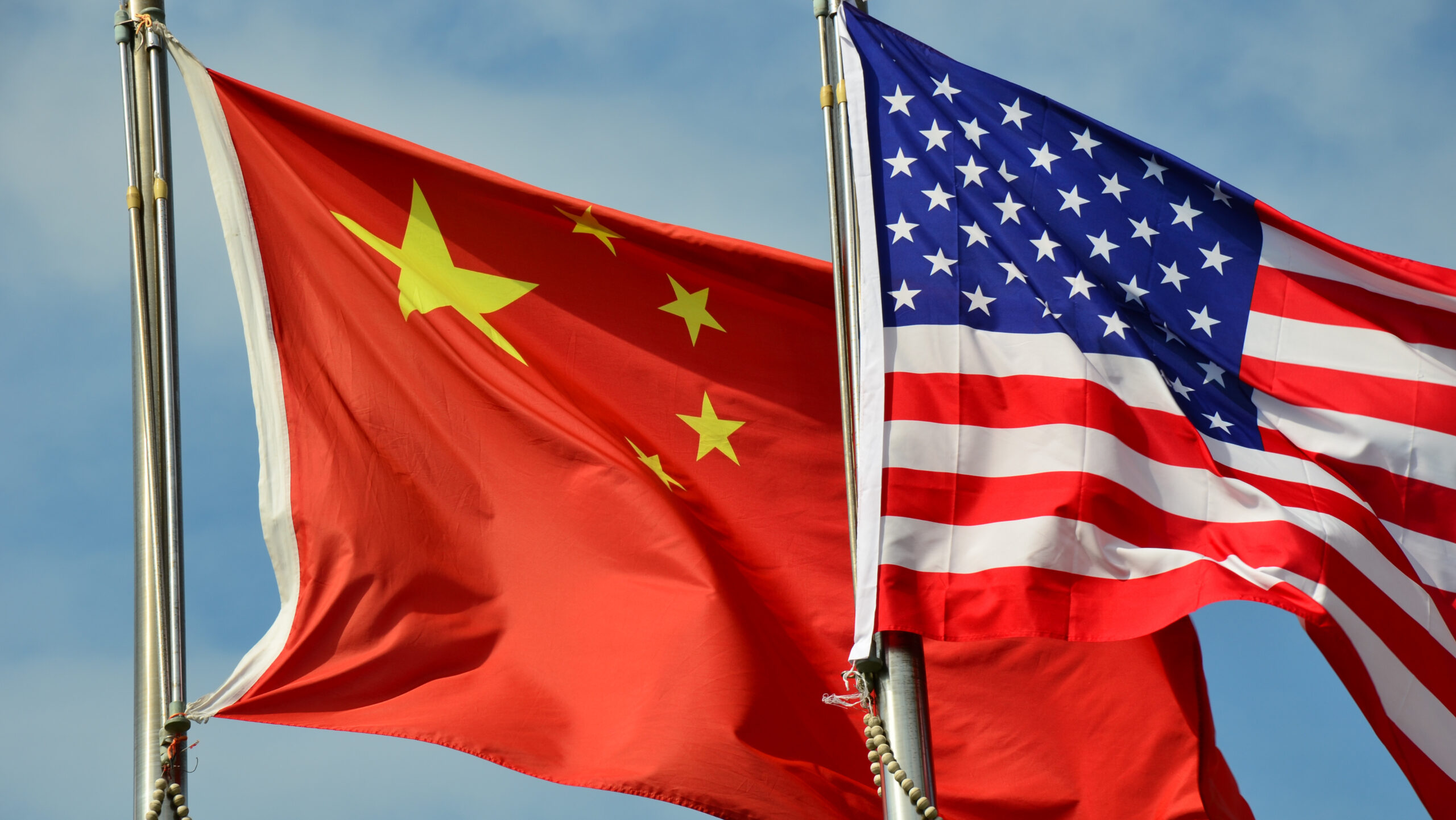
After a brief rebound in January that hinted at the start of stabilization, the Swiss watch industry has taken another sharp downturn. According to figures released by the Federation of the Swiss Watch Industry (FH), exports contracted by 8.2% in February 2025, falling to CHF 1.98 billion. This is not merely a technical correction: it is a warning sign affecting the entire value chain, all materials, almost every price bracket, and, crucially, all major markets, including the United States. China's collapse was confirmed with a 25% drop this month, following a 29% decline in January. Even the United States, previously a beacon of resilience, posted a 6.7% decline, contrasting sharply with the 16% surge recorded a month earlier. Over the first two months of the year, overall Swiss exports are already down 2.4%, a figure that is far from negligible. The momentum is fading, and this is more than just a temporary blip.
The issue is no longer just about measuring the decline, but understanding what it signifies. Several factors are converging. The structural and prolonged slowdown in China is no longer solely linked to Covid or Beijing's anti-luxury crackdowns. It reflects a deeper shift in the purchasing behavior of a strained middle class and an elite turning away from traditional symbols of conspicuous consumption. Anti-corruption campaigns, geopolitical tensions, and rising economic patriotism in China are all driving a redefinition of what luxury represents and who it is for. As for the US market, which has long carried Swiss watchmaking on its shoulders, it is feeling the full force of a post-inflationary slowdown, a return to more rational consumer spending choices, and a secondary market that has caused the perceived value of many timepieces to collapse.
The most striking aspect of this report is that the decline affects almost every category: in both value and volume, watches made of precious metals, steel, or alternative materials are all down. Only entry-level watches, priced below CHF 200, showed a modest 2.7% increase in value. This is a signal that should not be underestimated: the customer base is evolving, and the bottom of the market is beginning to outperform the top. The mid-range segment, particularly between CHF 500 and CHF 3,000, plummeted by 15.4%, despite being highly strategic for many so-called accessible or “premium” brands. This clearly indicates that it is neither extreme luxury nor basic high-volume watches that are suffering the most, but rather this middle ground, which long drove post-2010 growth. We may be entering a new era of greater market polarization: either the exceptional or the functional.
What solutions can be considered in this context? It is no longer enough to launch new models or rely on the storytelling of heritage. Today's customer wants clear value, meaning, and an experience. First, it is becoming urgent for certain brands to slow down the pace. Too many references kill desirability. Second, digital must finally be taken seriously—not as a secondary showcase, but as a genuine lever for customer relations, transparency regarding timepieces, and education on the value of a movement or a finish. Furthermore, a reflection on the role of the secondary market is now inevitable. Amid speculation, steep discounts, and pricing confusion, the industry can no longer allow platforms and flippers to dictate the perceived value of its creations. Regaining control requires greater traceability, more certification, and a more open approach to the post-sale lifecycle.
Finally, and perhaps most sensitively, some brands will need to rethink their geographical priorities. Asia can no longer be the sole pillar. The recovery in Germany, Italy, and Spain shows that Europe has not said its last word, especially if it is approached with greater intelligence, local focus, and less commercial condescension. Swiss watchmaking is not in crisis, but it is at a turning point. It must choose: continue relying on the formulas of the past, or reinvent its promise with more sincerity, sharper strategic precision, and a genuine ear to the ground. The February figures are a warning. It is up to the industry to decide whether they represent a temporary slump or the beginning of a major shift.
If you enjoyed this article, you might also like to read “LVMH Facing a Strategic Vacuum: What Next for the Watch Division After Frédéric Arnault's Departure?”
Supporting Osterman Watch means defending an independent watch media outlet, free from advertising and commercial influence, that respects your data and produces in-depth content for true enthusiasts.