TAG Heuer Connected: How the Smartwatch Became a Money Pit for LVMH
With between €150 million and CHF 250 million invested over ten years, five generations, and in-house software, TAG Heuer has quietly discontinued its smartwatch. A look back at a gamble Swiss watchmaking could never win.
It was one of the boldest gambles in Swiss watchmaking. It is ending without a press release. According to La Lettre, TAG Heuer quietly stopped production of its smartwatch, the TAG Heuer Connected, during the summer of 2026. Neither the brand nor LVMH has confirmed the news, but the report is widely circulating: existing stock will be sold off until the end of 2027, and no new generation is planned, reports Notebookcheck. Behind this quiet exit lies a hefty bill. According to estimates reported by iPhoneSoft, the brand has sunk between over €150 million and CHF 250 million into the project over ten years, without ever making it profitable.
To understand how we got here, we have to go back to November 2015. That year, in New York, Jean-Claude Biver unveiled the first TAG Heuer Connected, developed with Google and Intel and priced at $1,500, reports TradeArabia. He spoke of a marriage between Watch Valley and Silicon Valley, according to AP. The move was defensive: the Apple Watch had just launched, and Biver described it as the biggest threat to watches priced under $2,000, according to Digital Trends. The initial reception was encouraging, with production even increased to meet demand. However, the model relied on a partner, Google, whose timeline and choices TAG Heuer could not control.
An Impossible Model to Make Profitable
That is when the costs began to pile up. A mechanical watch is developed once and sold for decades. A smartwatch must be reinvented every two or three years: new chip, new screen, new software, new applications. TAG Heuer released five generations in ten years, culminating in the Connected Calibre E5 in October 2025. For this model, the brand broke away from Google's Wear OS and developed its own system, TAG Heuer OS, designed by a dedicated team of 60 people in Paris, according to Wareable. It even obtained Made for iPhone certification, a sign that the majority of its customers were iPhone users, notes TechRadar.
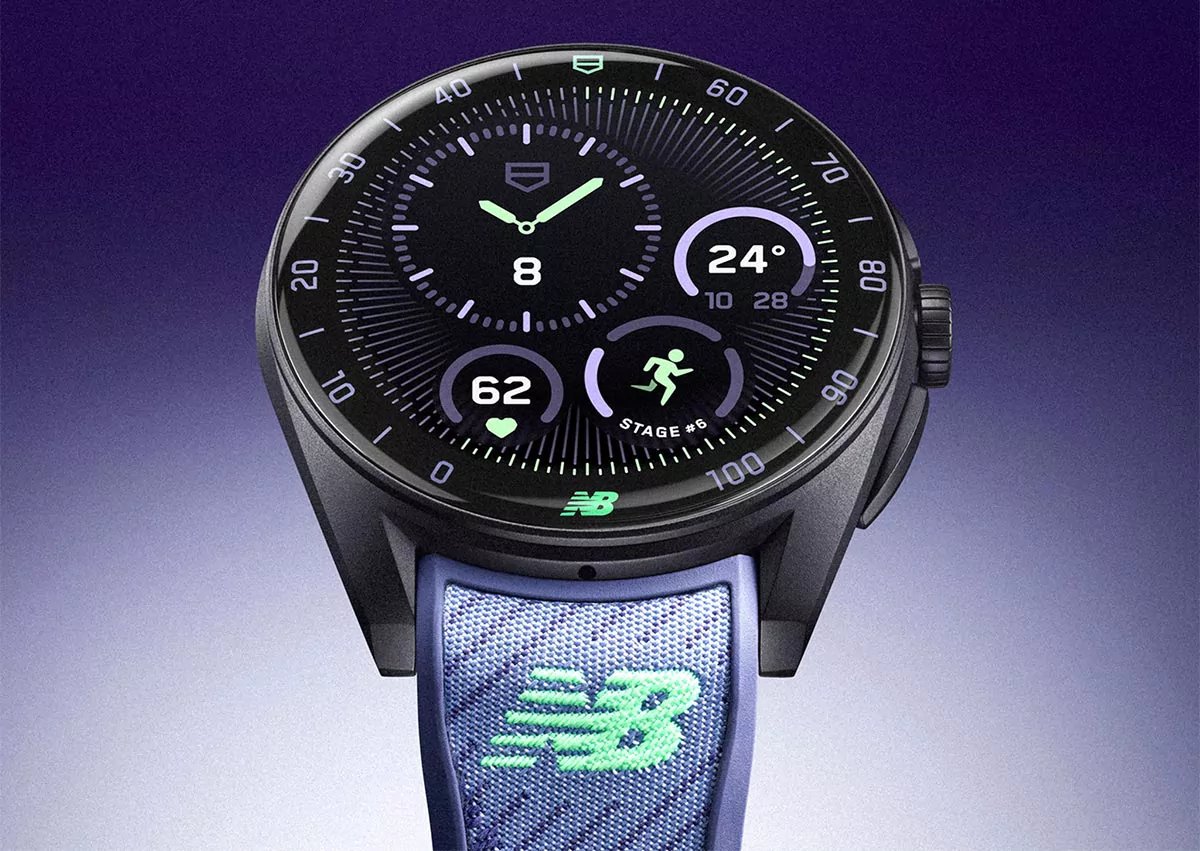
This shift sums up the trap. Staying with Google meant relying on an operating system designed for €300 watches. Leaving it meant funding a permanent software team entirely on their own, like a tech company, for a niche sales volume. All this for a watch starting at CHF 1,500 for the 40 mm version, according to The5krunner, which is about twice the price of an Apple Watch Ultra. Even the partnership with Formula 1 was not enough to boost sales volumes, notes Professional Watches.
Ultimately, the problem goes beyond the numbers. It is a contradiction that luxury watchmaking has never resolved. A mechanical Carrera from 1970 still works and sometimes increases in value. A Connected from 2015 is now an obsolete object without updates. TAG Heuer understood this well: in the beginning, the brand offered to swap the smartwatch for a mechanical version after two years, a program abandoned in 2020, as WatchGeneration recalled. Selling eternity is the core of watchmaking's appeal. Selling a product that becomes obsolete in three years is the domain of electronics. The two simply do not mix.
Apple Won on Volume, the Swiss Kept the Value
While TAG Heuer was searching for the right formula, Apple crushed the market. As early as 2019, around 30.7 million Apple Watches were sold, compared to 21.1 million watches for the entire Swiss watch industry combined, according to Strategy Analytics, cited by MacRumors. But the Swiss kept what mattered most: value. High-end mechanical watches have never been more expensive, and the clientele of Rolex or Patek Philippe was not tempted by a screen. The loser was the mid-range segment, which is precisely where TAG Heuer was positioned.
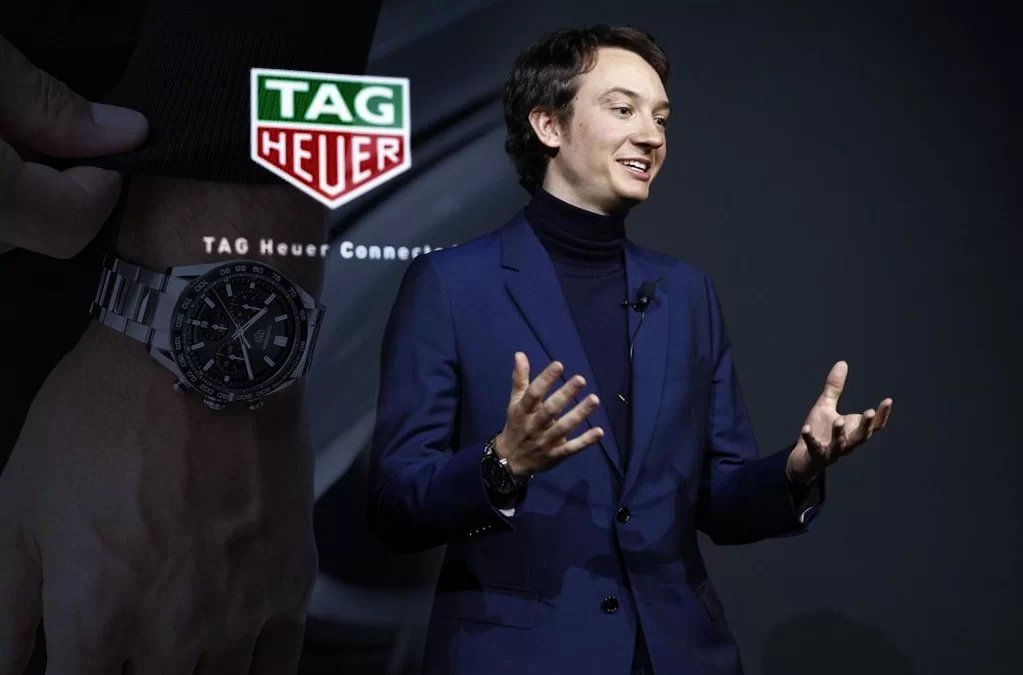
Luxury competitors drew their own conclusions before LVMH. TAG Heuer was one of the last major Swiss names to keep an active smartwatch line. According to Luxury London, Bulgari and Gucci have already abandoned theirs. Hublot has not updated its Big Bang e since the third generation in 2023, and at Louis Vuitton, Jean Arnault cut nearly 80% of the watch catalog that same year. The TAG Heuer project, however, had been championed since 2017 by Frédéric Arnault, son of Bernard Arnault, according to La Lettre, cited by Notebookcheck. This likely explains the quiet nature of the discontinuation.
The Bottom Line
TAG Heuer is refocusing on what drives its value: the Carrera, the Monaco, the Aquaracer, and its mechanical chronographs. For owners of a Connected, it is best not to rely on the secondary market: no information has been provided regarding the duration of software updates or after-sales service beyond 2027. Conversely, the brand's mechanical references continue to be tracked in the Osterman Watch index. Ten years and hundreds of millions later, the lesson is simple: luxury watchmaking sells what lasts.