The return of the Trump tariff: Swiss watchmaking in the crosshairs once again
31%, 39%, 15%, 10%, 12.5%, and now 15%. In eighteen months, Washington has changed the rules of the game six times for Swiss watches. Why watchmaking is paying for pharma and steel, and what it means for buyers.
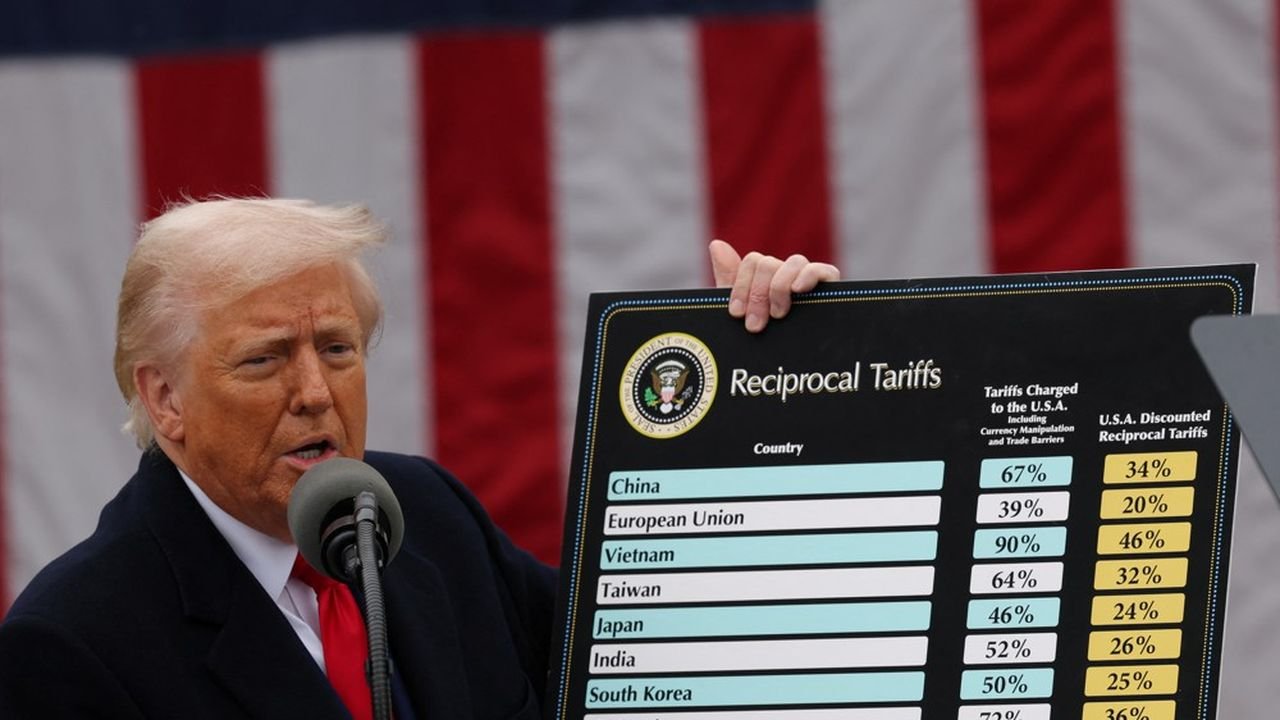
31%. Then 39%. Then 15%. Then 10%. Then 12.5%. And now, 15% once again. In eighteen months, Swiss watchmaking has seen US tariff rates change six times. On Wednesday, November 25, Donald Trump restarted the machine: his administration is proposing new tariffs against 14 major trading partners, including China, Japan, the European Union, and Switzerland, reports Reuters. For Swiss products, the ceiling would rise to 15%, up from 12.5% today. Just a few percentage points, but a crystal-clear message: with Washington, nothing is ever set in stone.
The return of the Trump tariff
This new round concludes an investigation opened in March into “industrial overcapacity.” US Trade Representative Jamieson Greer deems the practices of 14 economies “unreasonable,” reports Swissinfo. Yet Switzerland’s alleged offenses have nothing to do with watchmaking: an artificially undervalued franc, state and tax support for the pharmaceutical industry, and subsidized electricity costs for steelmakers. No matter, the proposed tariff would target all Swiss imports, with exemptions for certain goods that have not yet been listed, notes the ATS agency. Watches are paying for pharma and steel.
Bern rejects the accusations and points to the November 2025 agreement, which set that very 15% level, according to the State Secretariat for Economic Affairs. Nothing has been implemented yet: the public has until January 5, 2027, to comment, and hearings will begin on January 25, with no official effective date announced, according to Euronews. The courts could also get involved, as Le Temps points out. But for an industry that relies on long-term visibility, this constant uncertainty is already a cost in itself.
Watchmaking, the perfect hostage
Why are watches so exposed? First, because the United States is their largest market: accounting for 17% of watch exports in 2025, according to figures from the Federation of the Swiss Watch Industry, shared by the Swiss Confederation. Second, because a “Swiss made” watch cannot flee: to bear this label, it must be manufactured in Switzerland. No offshoring is possible, no factories can be opened in Ohio. Brands have only two options: squeeze their margins or raise their prices. Finally, standard US customs duties on watches are negligible compared to the price of a luxury timepiece. Since the 15% cap includes these standard duties, a Rolex or a Patek Philippe ends up taxed almost at the maximum rate.
The sector knows the cost of escalation. With the 39% tariffs in the summer of 2025, watch exports to the United States plunged by 23.9% in August, 55.6% in September, and then 46.8% in October, according to the AWP agency. Georges Kern, CEO of Breitling, called the tariffs “horrible” on CNBC. The November 2025 agreement brought the rate back down to 15%, retroactively, according to the Federal Office for Customs and Border Security, and the US market had begun to breathe again: in October 2026, exports to the US surged by 60.8%, a flattering rebound that benefited primarily from comparison with last year's low point, the ATS points out. It is precisely this recovery that the new announcement threatens to undermine.

Key takeaways for buyers
To be clear, 15% is not 39%. The shock should be far less brutal than in 2025, especially since brands have already adjusted their US pricing. For European buyers, nothing changes: these tariffs only affect watches imported into the United States. However, recent history shows that every announcement from Washington triggers the same reflexes: brands shipping as much stock as possible before the deadline, rising US retail prices, and a pre-owned market that becomes increasingly attractive as retail prices climb. To measure the actual impact on watch values, the Osterman Watch Index tracks secondary market prices on a weekly basis.