Top 10 Most Popular Luxury Watches: Secondary Market Performance Analysis in 2025
<h2>1. Rolex Submariner Date: 126610LN-0001 </h2> <img width="800" height="800" src="https://ostermanwatch.com/wp-content/uploads/
1. Rolex Submariner Date: 126610LN-0001
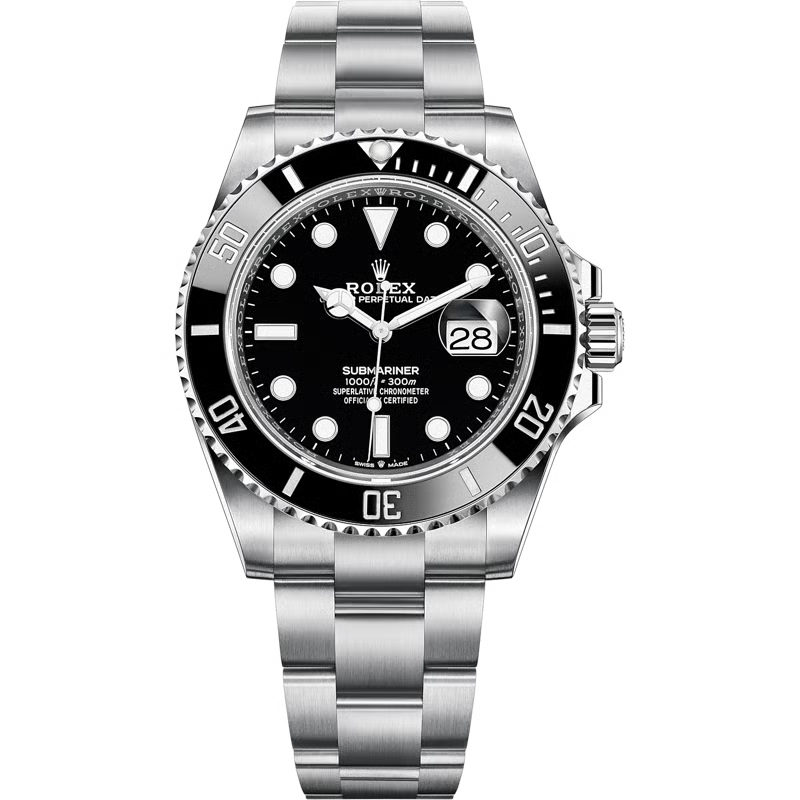
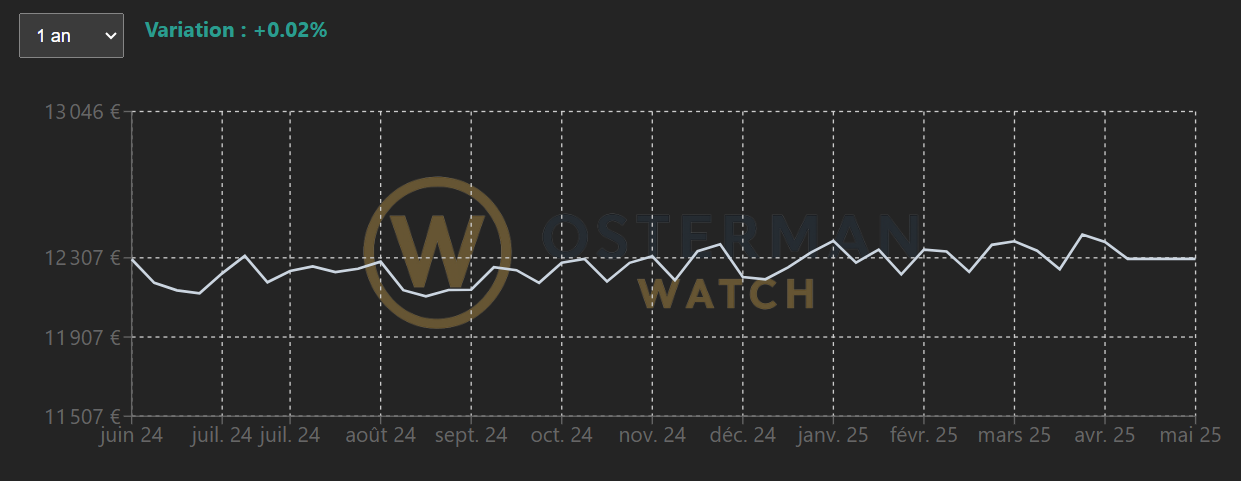
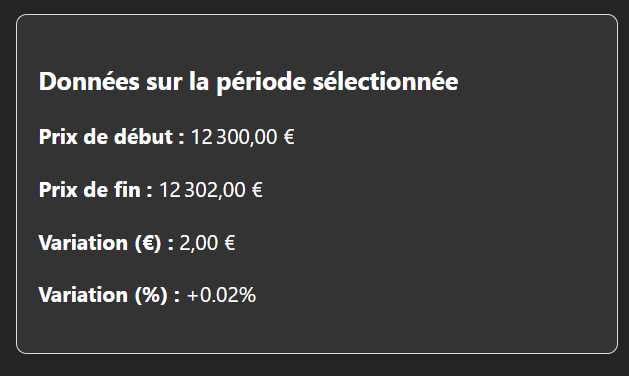
The Submariner remains the gold standard of the secondary market. Despite a near-zero price variation (+0.02%), it boasts exceptional stability and maximum liquidity. It is the quintessential watch that no longer promises rapid growth, but instead embodies an unshakeable foundation of trust. In a market consolidation phase, it acts as a safe, universally recognized wealth-preservation asset.
2. Rolex Daytona Panda: 116500LN-0001
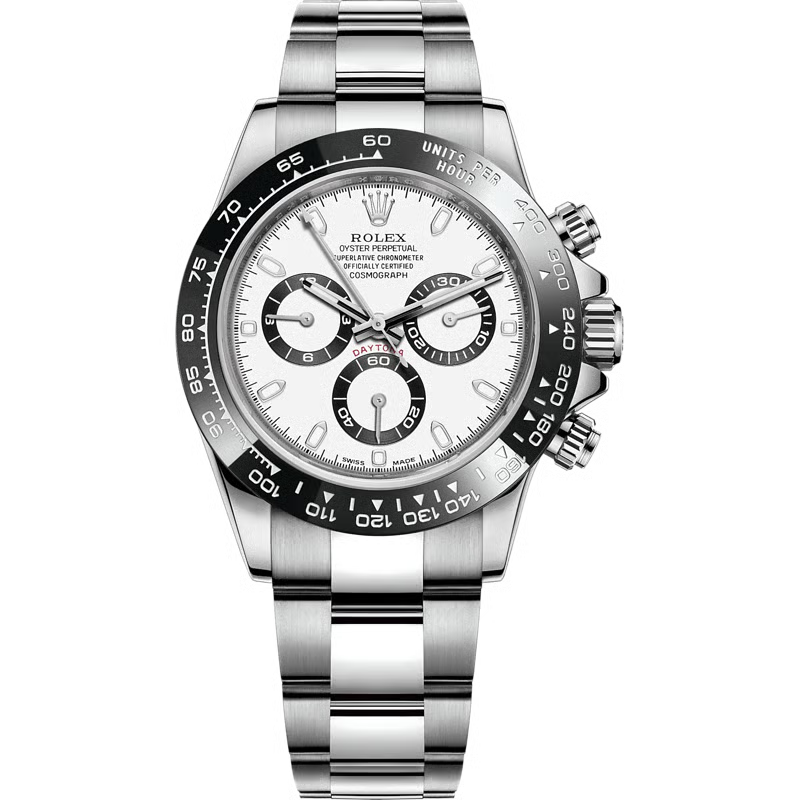
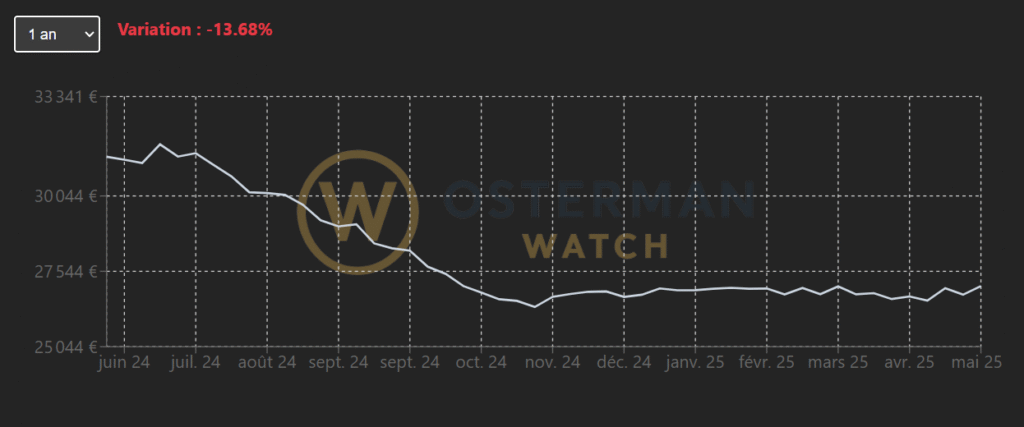
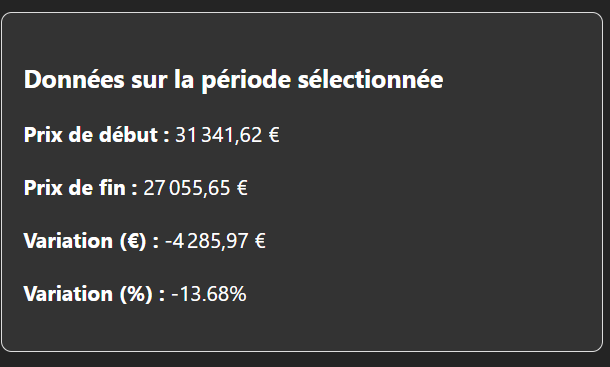
The myth is crumbling. Long overvalued, the Daytona Panda has suffered a -13.68% drop over one year. Despite its iconic status, its liquidity is contracting, growth is non-existent, and its popularity is declining. This reversal marks the end of a speculative cycle. Buyers are now showing caution, demanding more than just media hype. The Rolex effect is no longer enough to offset product saturation.
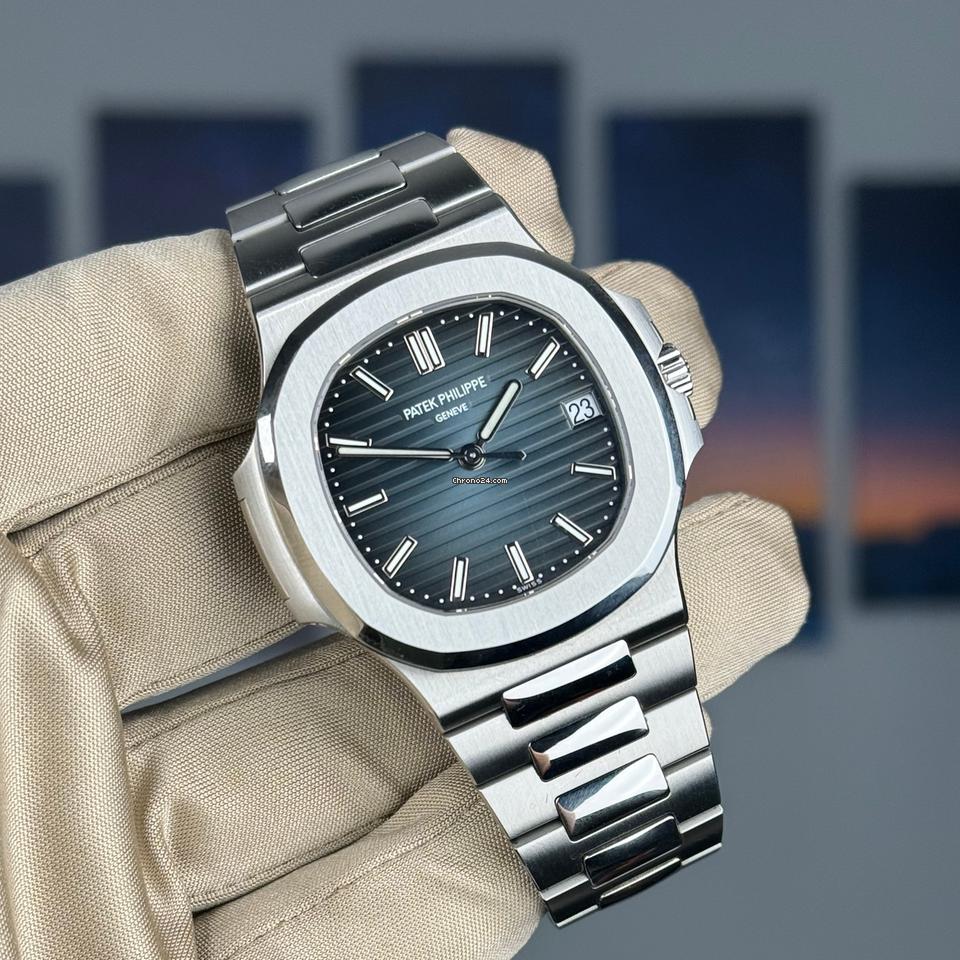
3. Patek Philippe Nautilus: 5711/1A-010

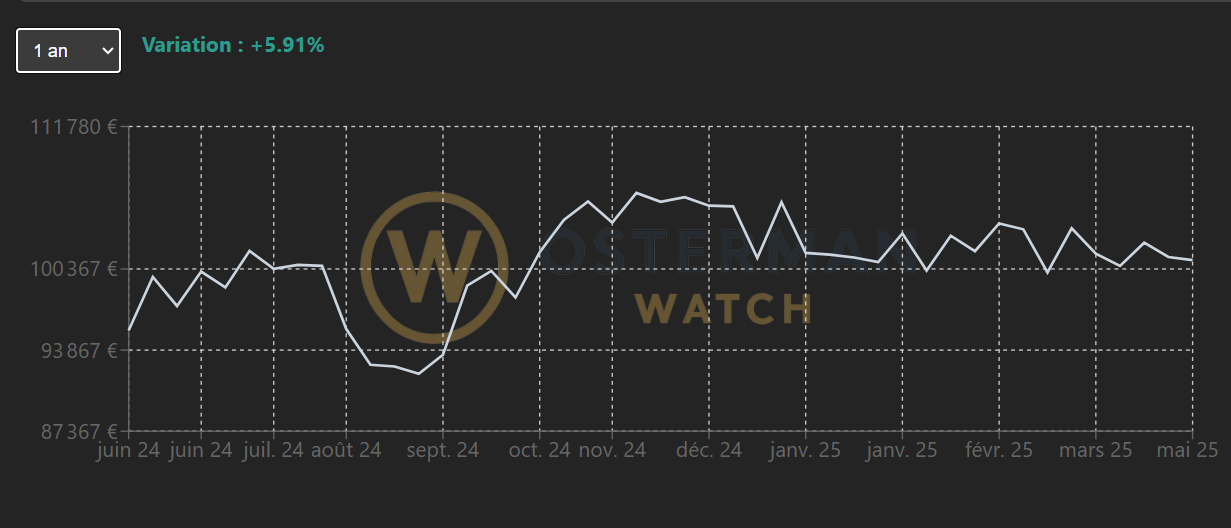
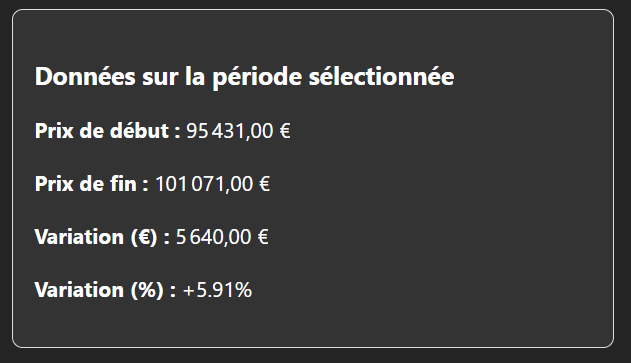
The Nautilus remains highly sought after, but its potential is now contained. With a +5.91% variation, it shows healthy but capped growth. The model already peaked following the announcement of its discontinuation, and the current curve reflects a gradual normalization. Today, it is a low-yield prestige watch, more of a heritage piece than a speculative play, retaining its aura but no longer offering explosive prospects.
4. Audemars Piguet Royal Oak: 15500ST.OO.1220ST.01
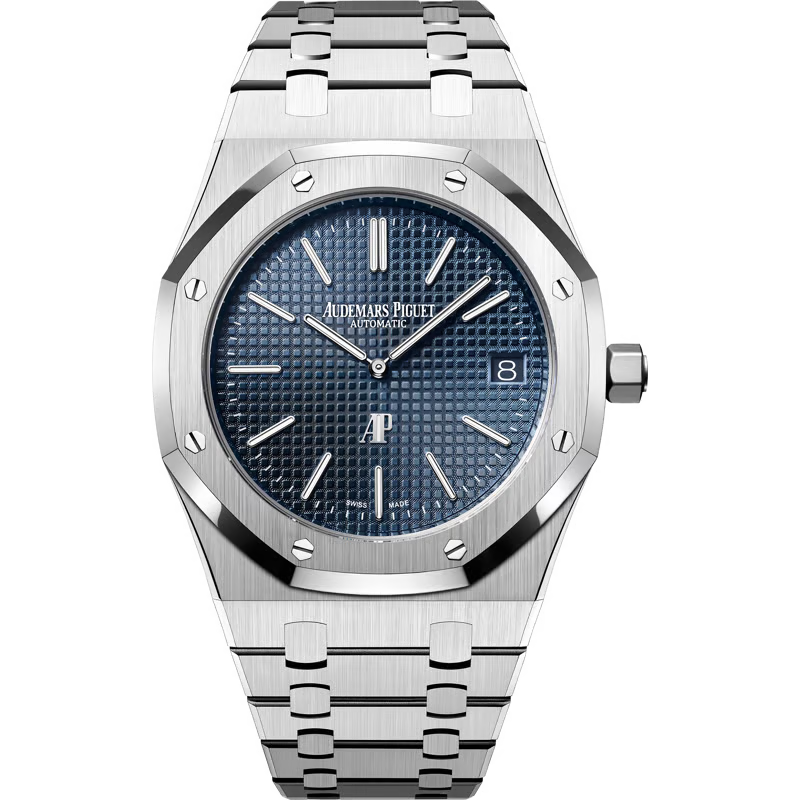
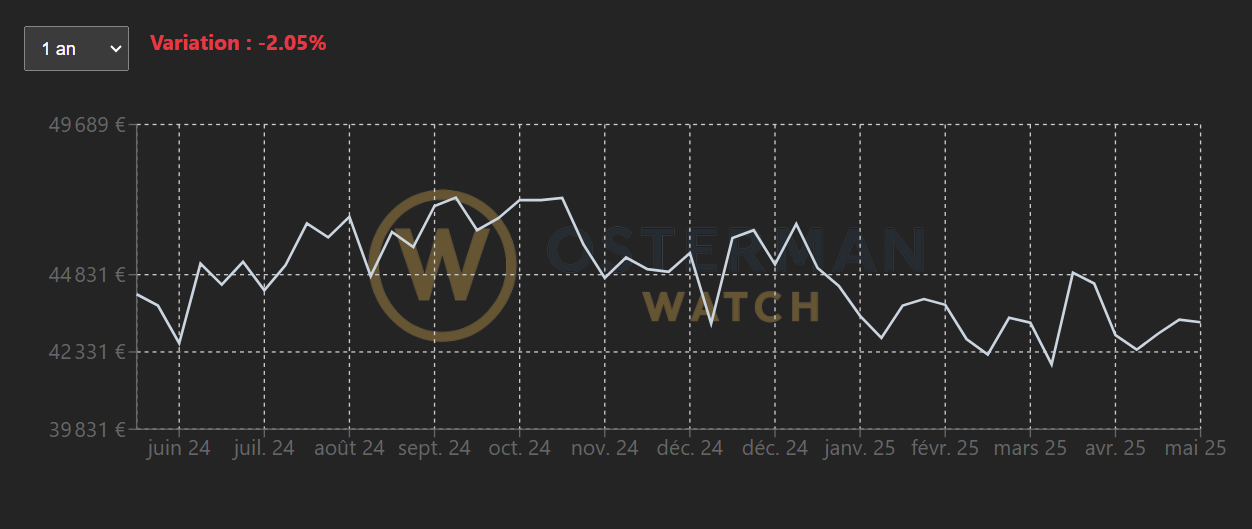
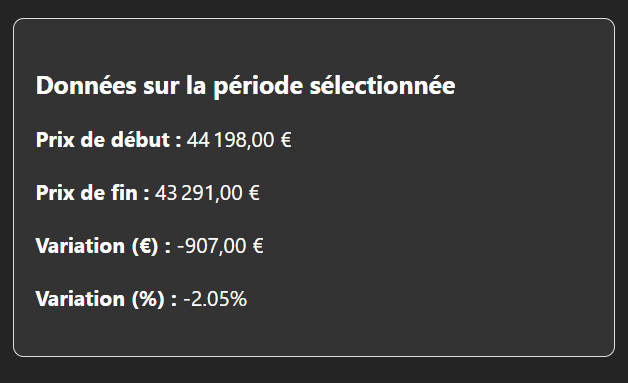
Down slightly by -2.05% over one year, the Royal Oak reflects the tension between status appeal and Audemars Piguet's strategic repositioning. While the watch remains highly visible, its price performance no longer matches the fervor of previous years. The regular fluctuations on the chart indicate a market losing conviction, with buyers biding their time. The Royal Oak is not in freefall, but rather in limbo.
5. Omega Speedmaster: 311.30.40.30.01.001
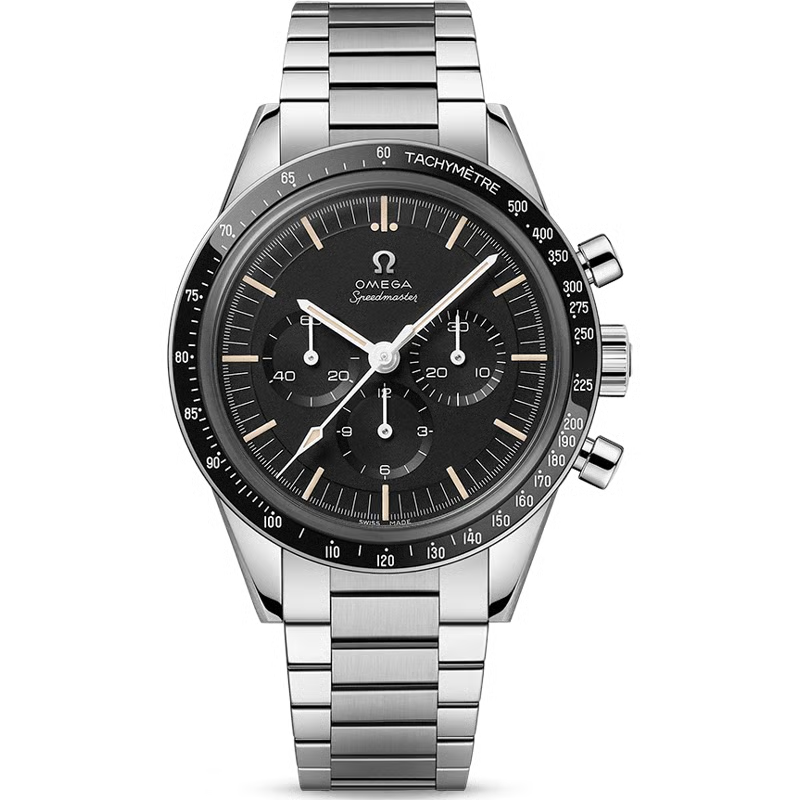
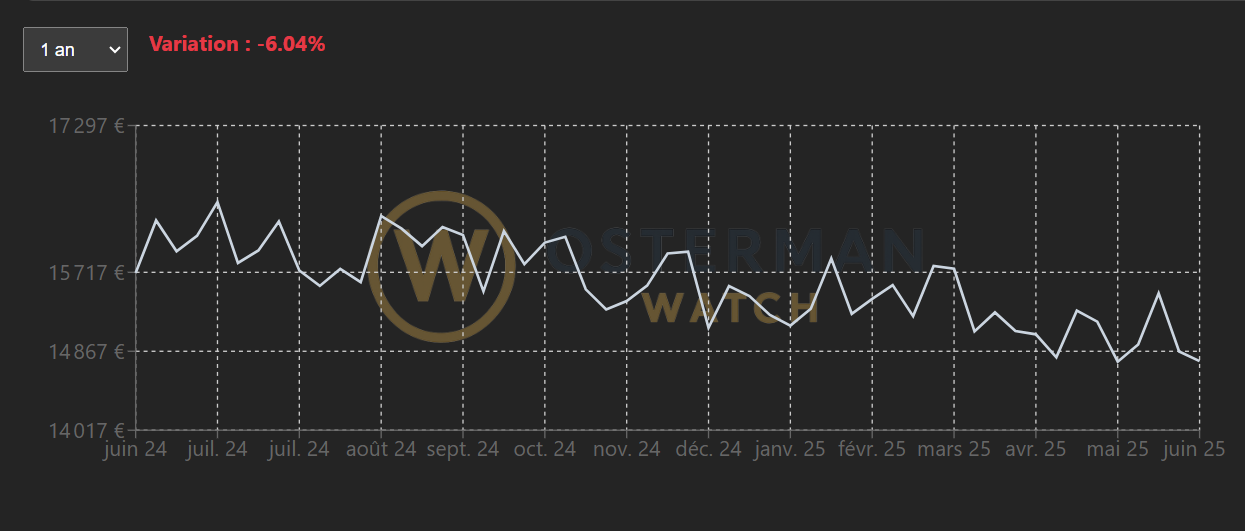
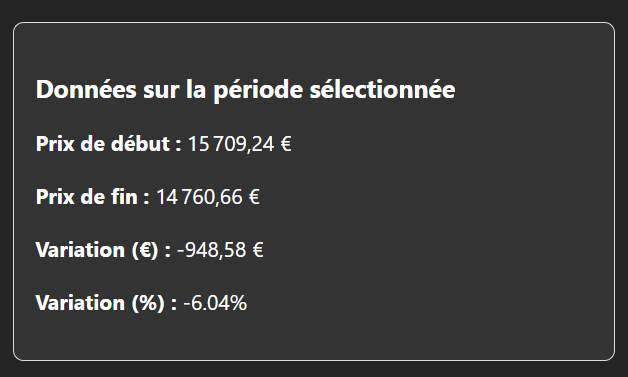
The -6.04% decline shows that even the most established icons can feel market pressure. Yet, the Speedmaster retains great accessibility, a strong image, and a loyal community. Today, it suffers from a lack of perceived rarity, which affects its traction on the secondary market. It is a reliable watch, but one whose heritage value currently exceeds its resale value.
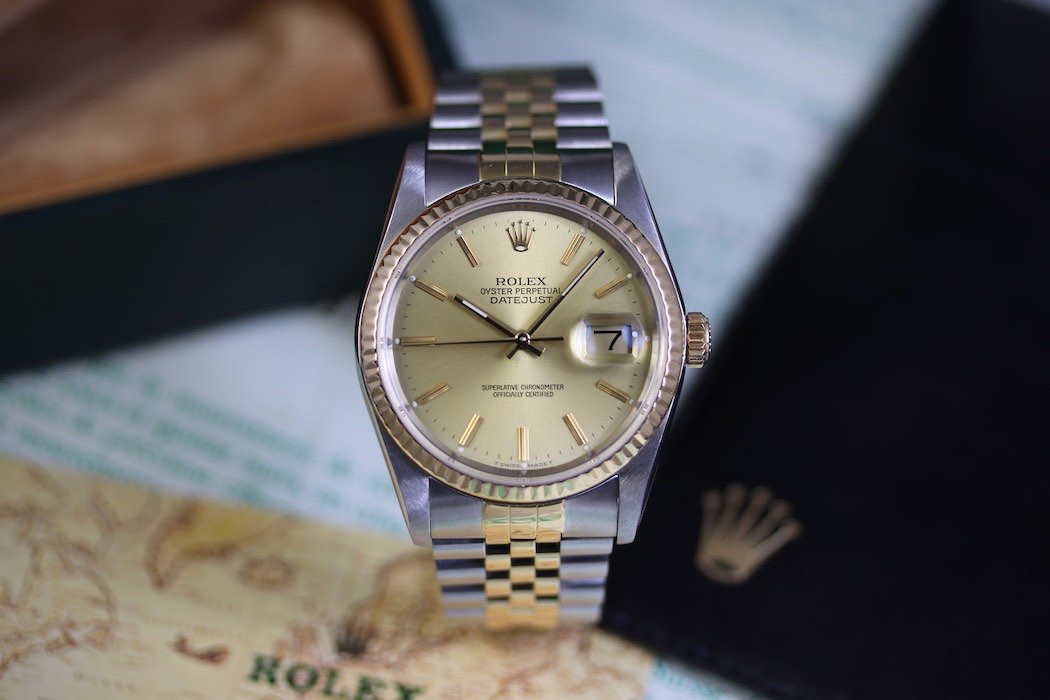
6. Rolex Datejust 41: 126334-0004
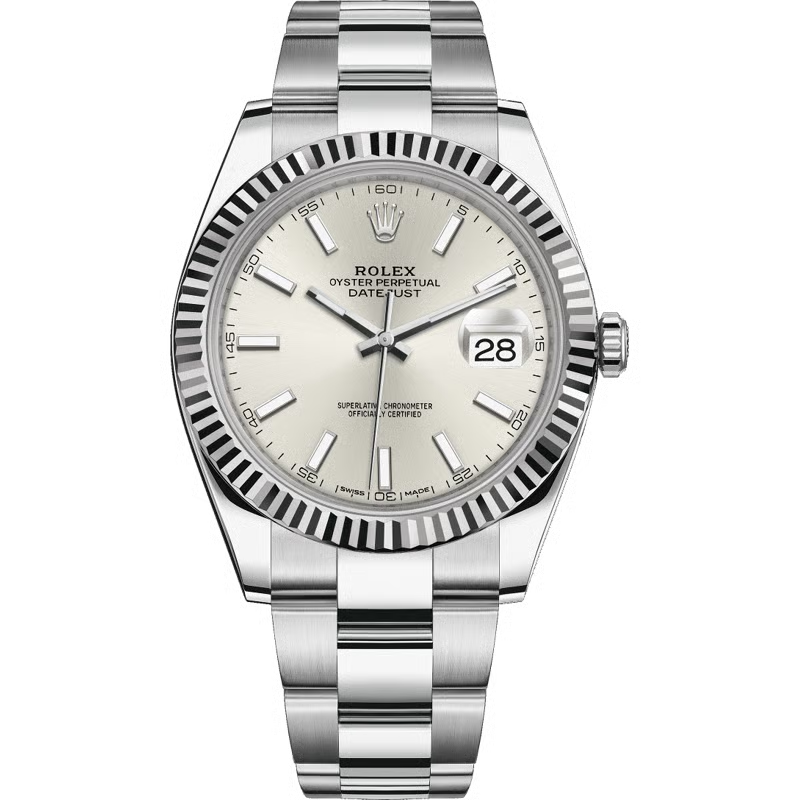
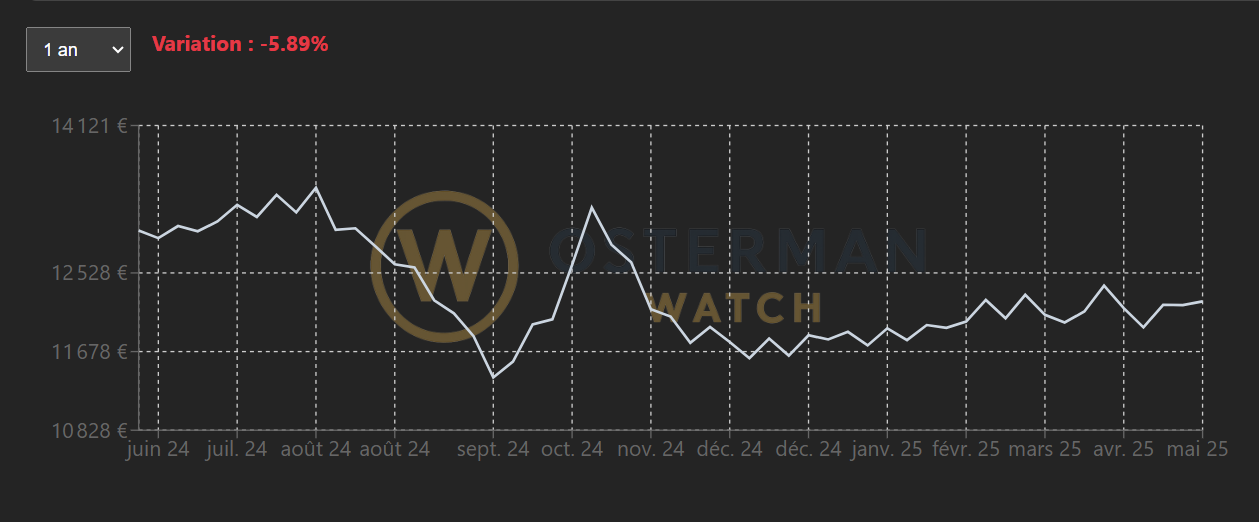
The Datejust quietly navigates the market. With a -5.89% decline, it inspires neither fear nor enthusiasm. Its profile is classic and its liquidity remains good, but it suffers from a positioning that is too mainstream to perform on the secondary market. Its stability makes it a reassuring purchase for an enthusiast, but a low-yield investment for an investor.

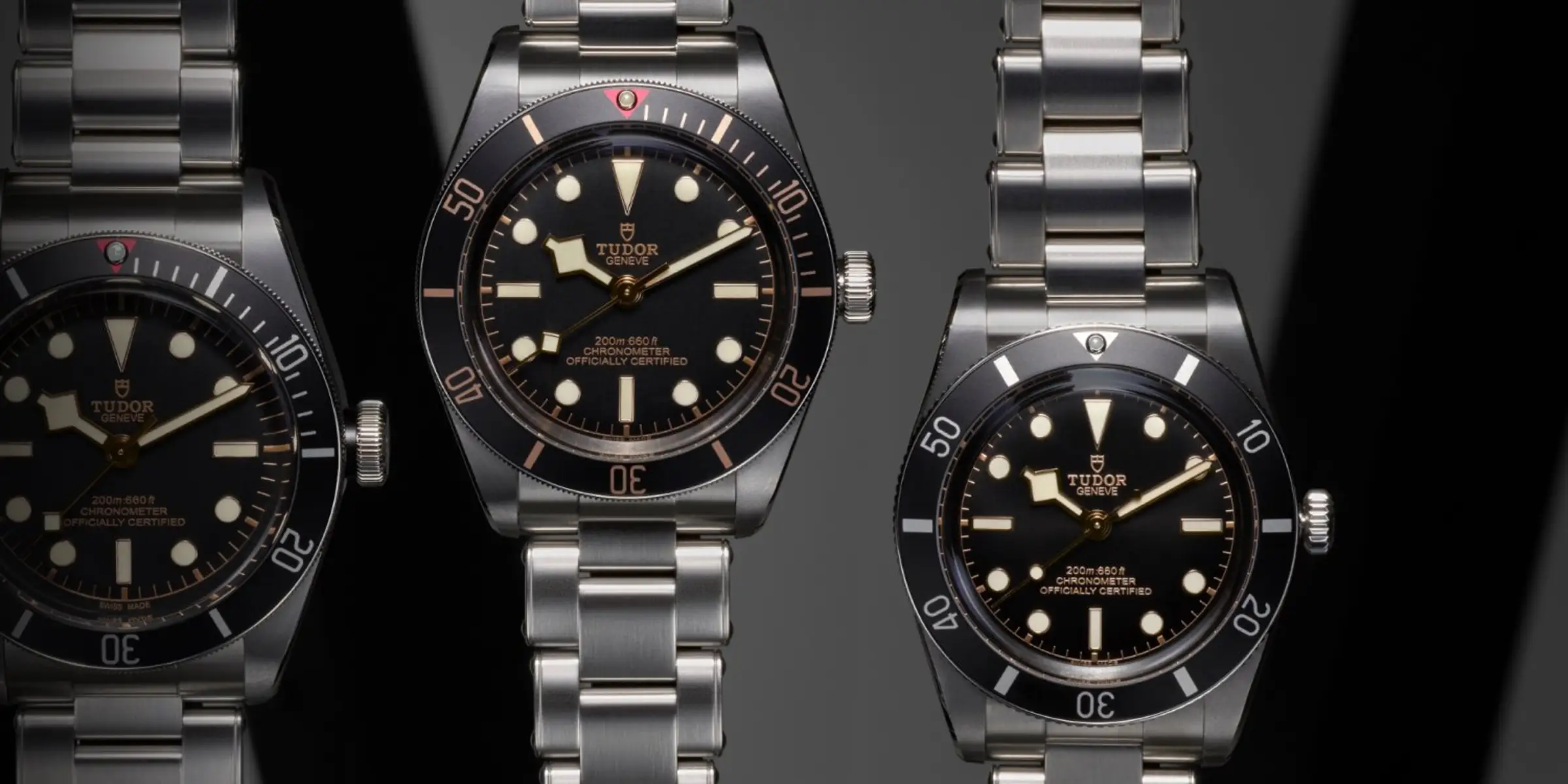
7. Tudor Black Bay Fifty-Eight: M79030N-0001
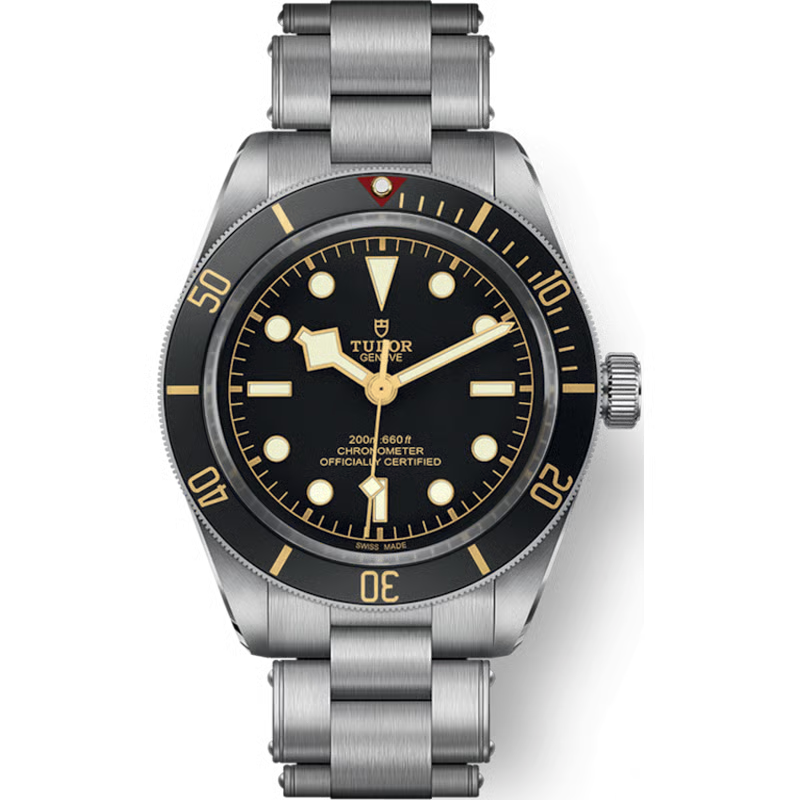
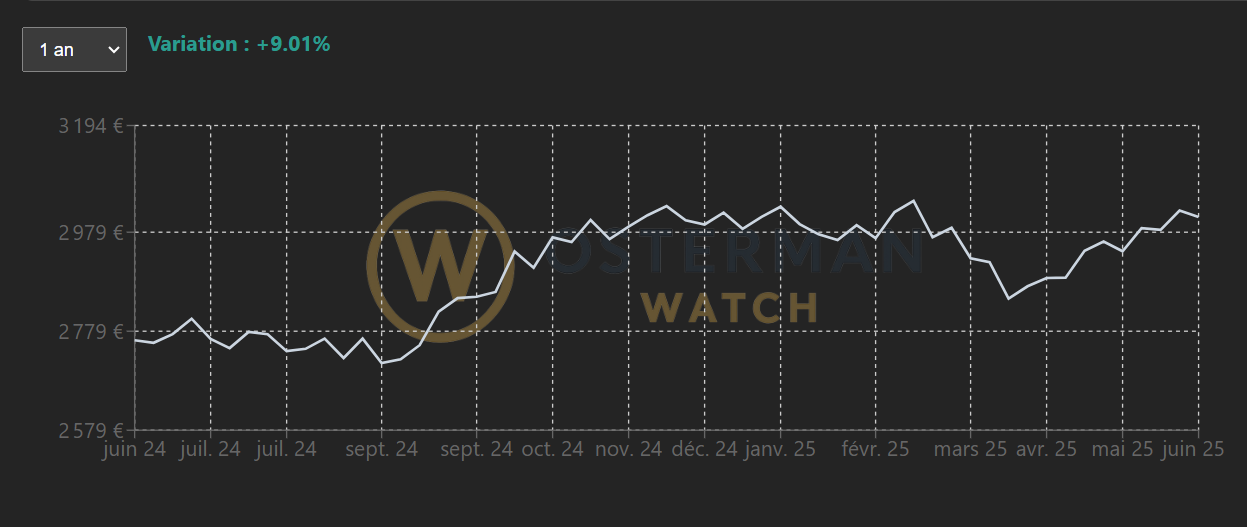
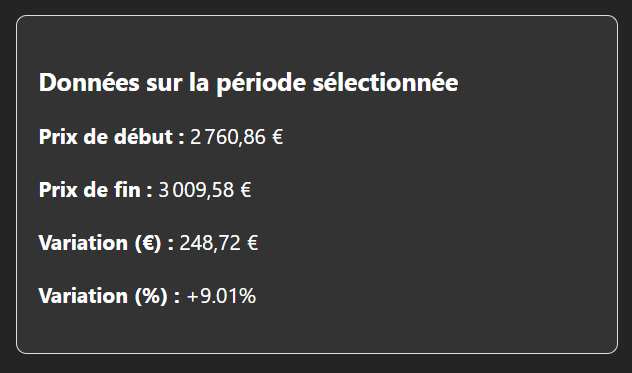
This is the real pleasant surprise of the group. With +9.01% growth over one year, the BB58 embodies Tudor's rise and the legitimization of its independent DNA. Stability, accessibility, and effective storytelling make this model a very healthy rising star, still far from saturation. It has established itself as the rational watch for the smart collector, perfectly in tune with the times.
8. Vacheron Constantin Overseas: 4500V/110A-B128
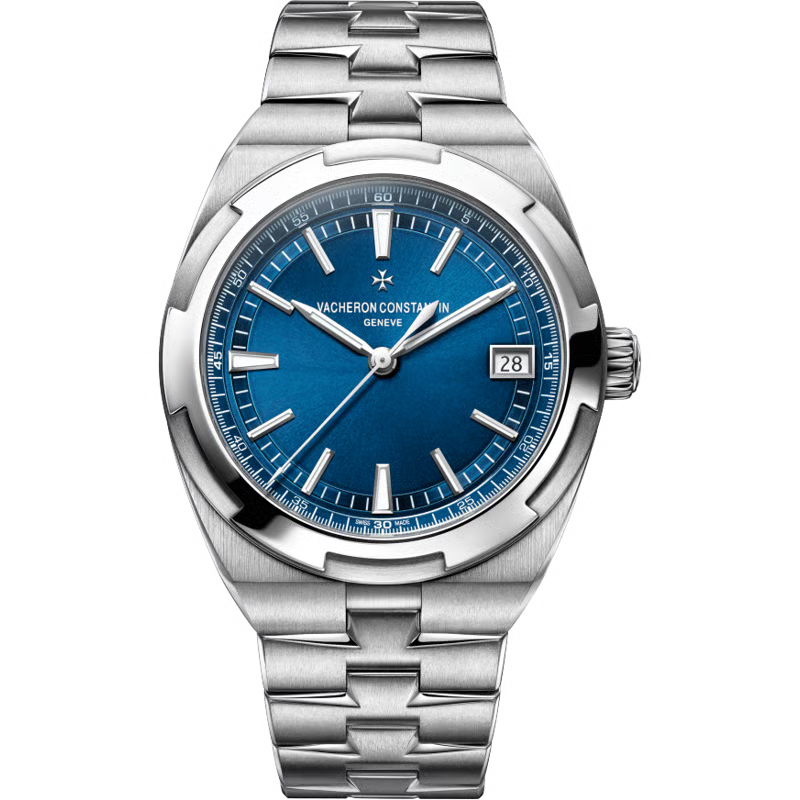
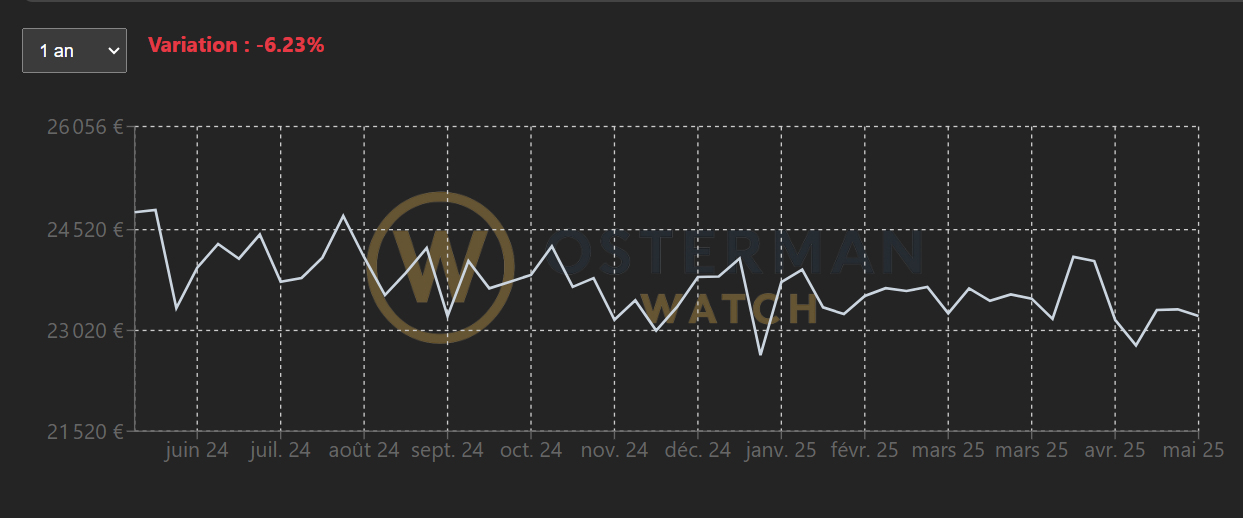
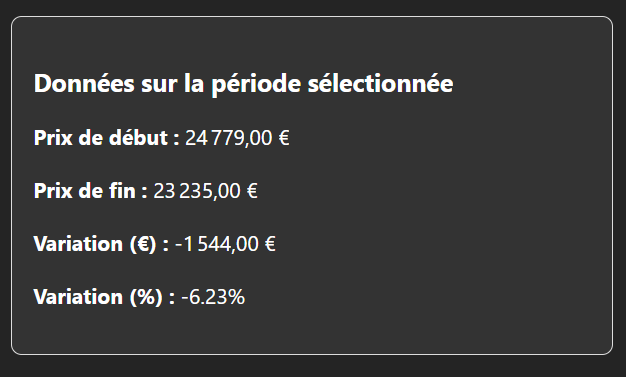
With a -6.23% variation, the Overseas is struggling to establish itself despite its qualities. Its refined design, integrated bracelet, and exemplary finishing are not enough to generate the hype surrounding the Royal Oak or the Nautilus. It remains undervalued relative to its actual quality, but its lack of hype and rarity leads buyers to overlook it. It is a discreet opportunity, but one that is not yet valued.
9. F.P. Journe Élégante White Saphir
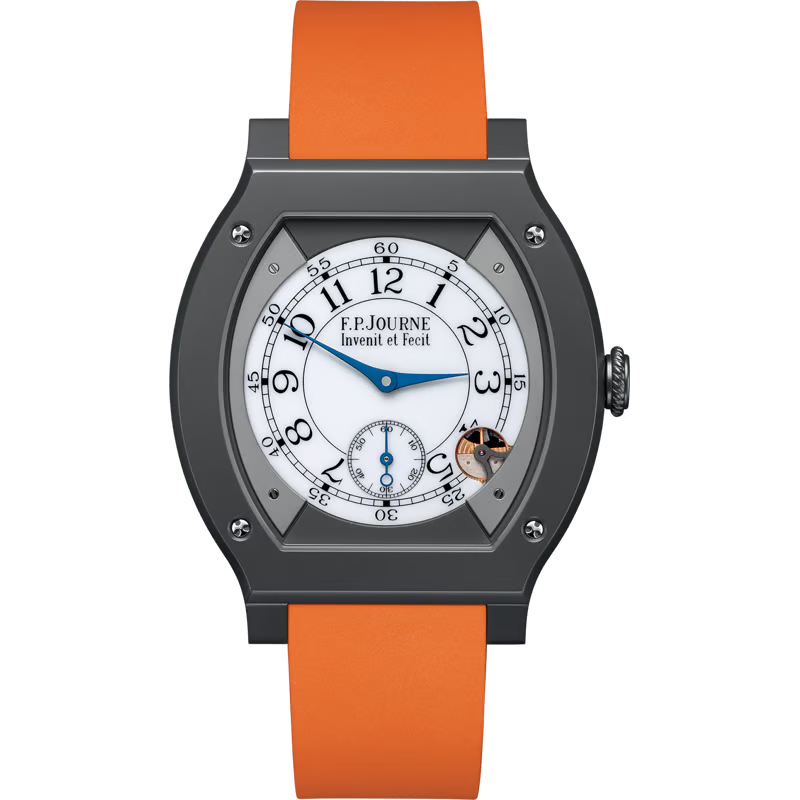
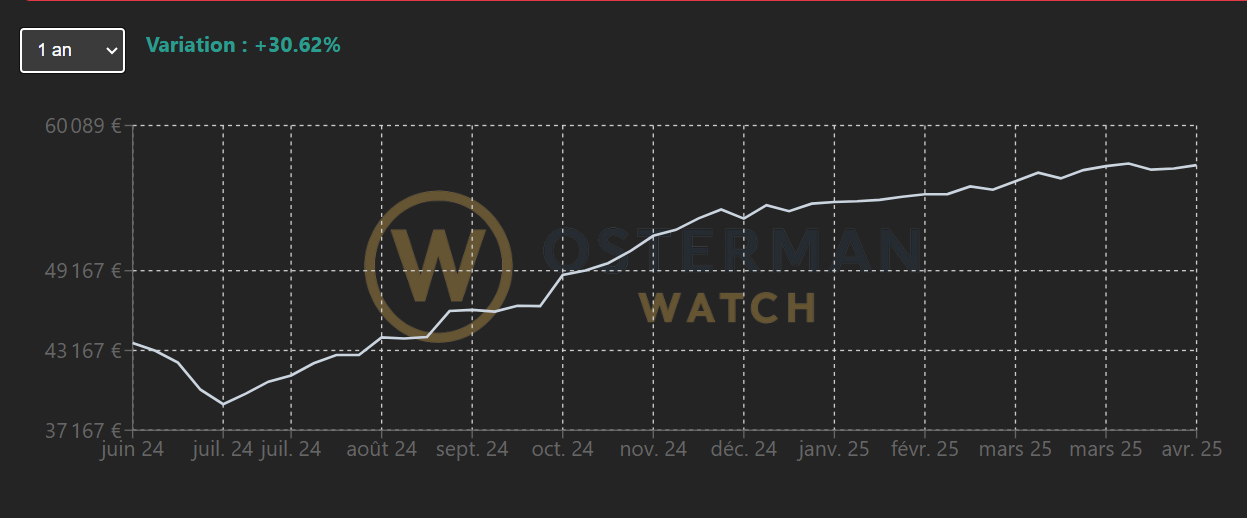
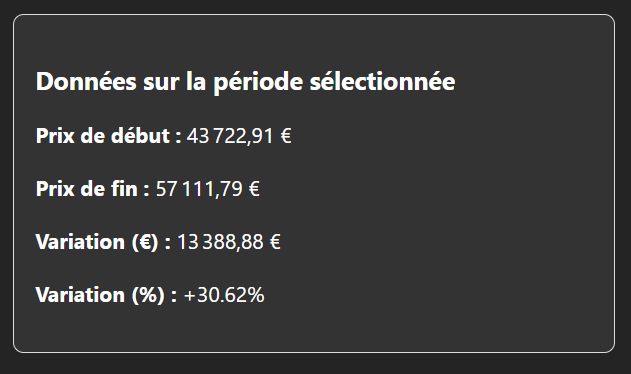
The curve for this Élégante is spectacular, showing +30.62% over one year with a meteoric recovery. But beware, the Z-score of +2.16 indicates a potential overvaluation. This rise reflects a highly targeted community movement, almost tribal, around a brand that has achieved cult status. The watch appeals through its uniqueness, but could correct sharply if attention fades. Very high potential, but also very high risk.
10. Cartier Santos: WSSA0018
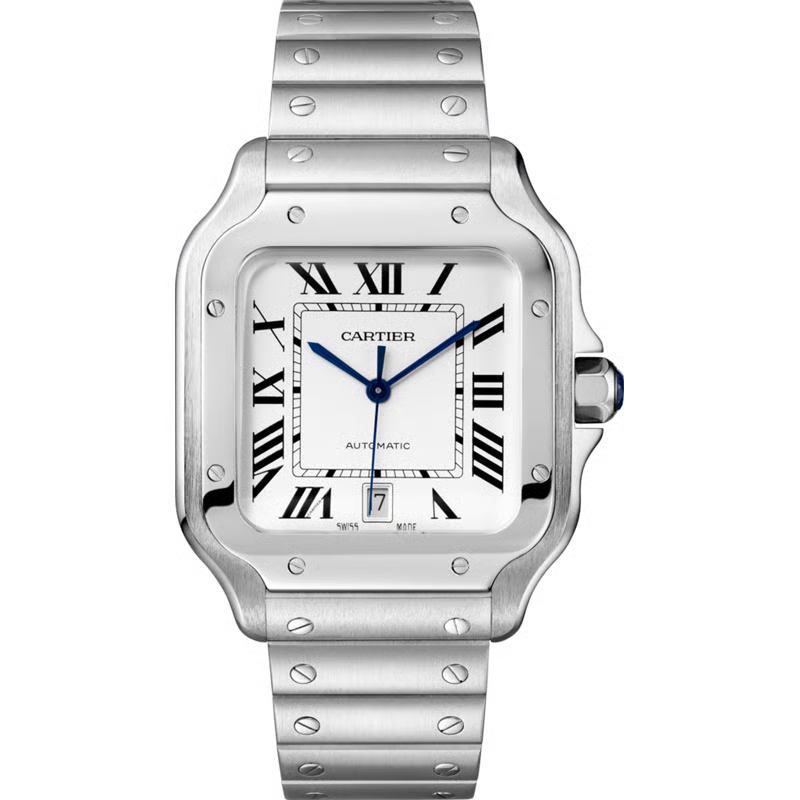
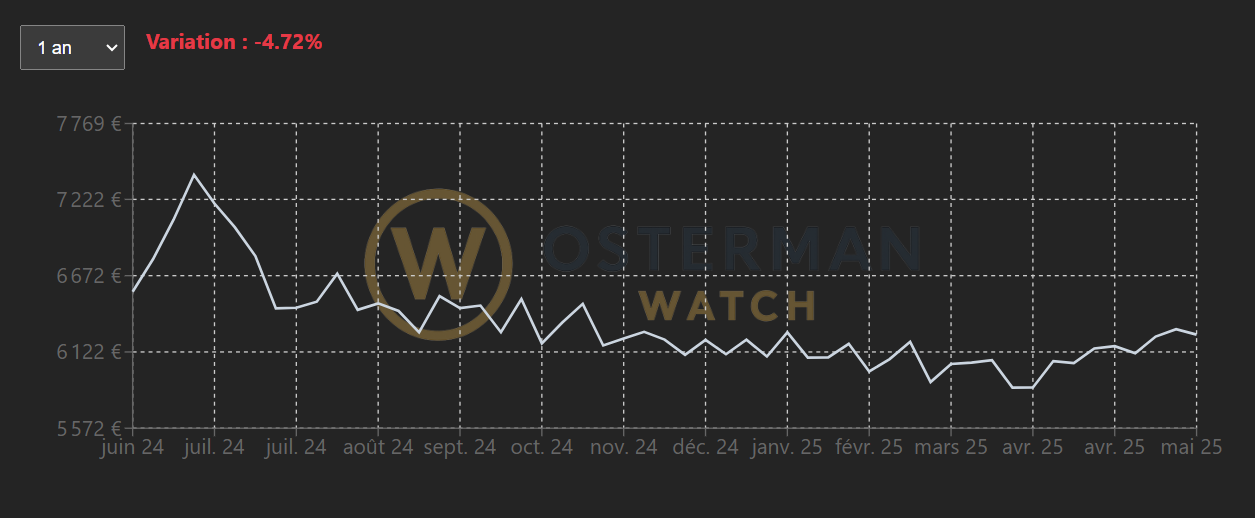
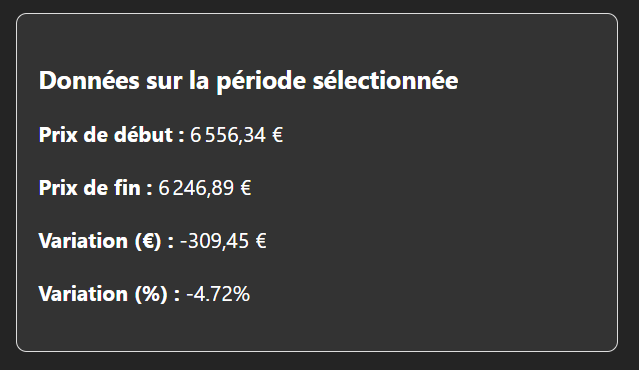
Although elegant and very well-positioned at retail, the Santos is down -9.15%. This decline is explained by marketing overexposure and a lack of perceived rarity. Its liquidity remains excellent, and it remains highly desirable for daily wear, but the secondary market penalizes over-distribution. It shines in boutiques but struggles to convince on resale. A textbook case of commercial popularity versus residual value.
Stability as the New Normal: The End of Speculative Hysteria
What strikes you first when looking at the data for the secondary market's most popular watches is the now-dominant level of stability. Pieces like the Submariner 126610LN show almost zero volatility over one year, with a symbolic variation of +0.02%. The same goes for the Datejust, the Royal Oak, and the Speedmaster, which, despite more contrasting dynamics, show a form of price maturity. This trend is significant. It reflects a market desensitized to the post-Covid speculative euphoria, when announcements, orchestrated scarcity, and waiting lists sent prices soaring at the slightest signal.
Today, these watches no longer impress with their growth potential, but with their ability to maintain a stable resale value. And this is precisely where a fundamental shift in the perception of luxury watchmaking is taking place: the watch is no longer fantasized about as a financial multiplier, but as an optimized wealth-preservation asset, where liquidity and resistance to correction take precedence. The market is becoming rational once again, entering a consolidation cycle.
Declining Growth: The Market Severely Filters Excess Hype
But this stabilization comes with a downside: growth is severely eroding for certain icons. The Rolex Daytona 116500LN, once the queen of the grey market, has dropped by nearly 14% in a year. The Speedmaster Ed White has lost 6%, and the Vacheron Overseas is also down by more than 6%. These figures are particularly significant because they do not concern secondary or marginal models, but rather the sacred monsters of modern watchmaking.

This reveals a post-speculation purge, very similar to what certain financial markets experienced after phases of irrational exuberance. These declines do not mean that the intrinsic value of these models is being questioned, but rather that their artificial speculative premium is fading. It is a return to equilibrium, sometimes brutal, driven by a more educated, cautious demand and a less constrained supply. In other words, the market is no longer buying the promise of an increase, but the overall coherence of a product, its real rarity, and its long-term image.
The Rise of the Outsiders: When Niche Outperforms Legend
Bucking this trend, certain watches are emerging as the quiet revelations of the year. The F.P. Journe Élégante White Saphir is the most striking example, with spectacular growth of +30.62%. Its high growth score, combined with strong liquidity and improving stability, makes it a highly desirable product for premium collectors. Yet, this success is a double-edged sword: the high Z-score indicates a possible overvaluation, proving that even niche products can now be caught up in temporary hype.
This shift toward independent and low-profile segments is symptomatic of a cultural mutation in the market. Wealthy buyers, tired of the mass-market narratives of major brands, are now looking for more unique watches with sharp storytelling, often linked to exclusive circles or a radical watchmaking philosophy. The success of the Tudor BB58, to a lesser extent, confirms this desire for a return to authenticity, tangible history, and an honest product. The +9% growth for such an accessible product shows that the market is ready to value perceived quality over marketing signatures.
Popularité ≠ performance: la dissociation est désormais flagrante
One of the clearest takeaways from this analysis is that popularity absolutely no longer guarantees economic performance. Of the ten watches studied, those most recognized by the general public or most frequently listed online (Daytona, Nautilus, Datejust) are not the ones recording the best variations. Conversely, high-growth watches are often those with controlled visibility, a less saturated image, and an ecosystem built around a smaller but loyal community.
This profoundly disrupts the old benchmarks of watch investing. Where it once sufficed to follow Instagram trends or Chrono24 listings to spot a rising value, today you must seek out data, analysis, market context, and the complete trajectory. The Osterman Index, by offering a multi-criteria radar (growth, stability, liquidity, accessibility, popularity), confirms this: there is no longer a simple correlation between image and value. Luxury watchmaking is entering an era of structural analysis, comparable to real estate or art: only those who cross-reference the right signals will understand where the true opportunities lie.
Toward a New Definition of the “Good Watch”
Ultimately, this study maps out a new definition of the “good watch” for a collector or investor in 2025. It is no longer the one that gets talked about, nor even the one that sells for the highest price. It is the one that combines structural stability, technical quality, controlled rarity, and discreet recognition. The Submariner embodies the cornerstone: low volatility, extremely liquid, always desirable. The Tudor BB58 stands out as a rising star. The Journe Élégante intrigues with its surge but calls for caution. As for the Daytona, it is entering a digestion phase.
We are no longer in a market that rewards price surges. We are in a market that values coherence, historical depth, and narrative durability. And in this environment, the role of the Osterman Index is to provide the tools necessary for this new reading of the market: cold, lucid, but smarter than ever.
If you found this article interesting, you can also discover the Mid-2025 Economic Report on Swiss Watchmaking.
Request Private Access to the Osterman Index
The new face of Osterman Watch is coming.
We are transforming Osterman Watch into a comprehensive watch market analysis platform.
With the Osterman Index, track real price developments on the secondary market, discover exclusive indices, measure the liquidity, growth, and popularity of the most sought-after watches, and build your personal portfolio of pieces.
Designed for collectors, investors, and industry professionals,
the Osterman Index gives you the concrete tools to anticipate, compare, and decide.