Trump, Tariffs and Turbulence: Swiss Watchmaking Under the Threat of a Trade War
<img width="1536" height="1024" src="https://ostermanwatch.com/wp-content/uploads/2025/04/ChatGPT-Image-3-avr.-2025-18_14_31.png" alt="" srcset="https
[FRENCH] VERSION
[ENGLISH] VERSION
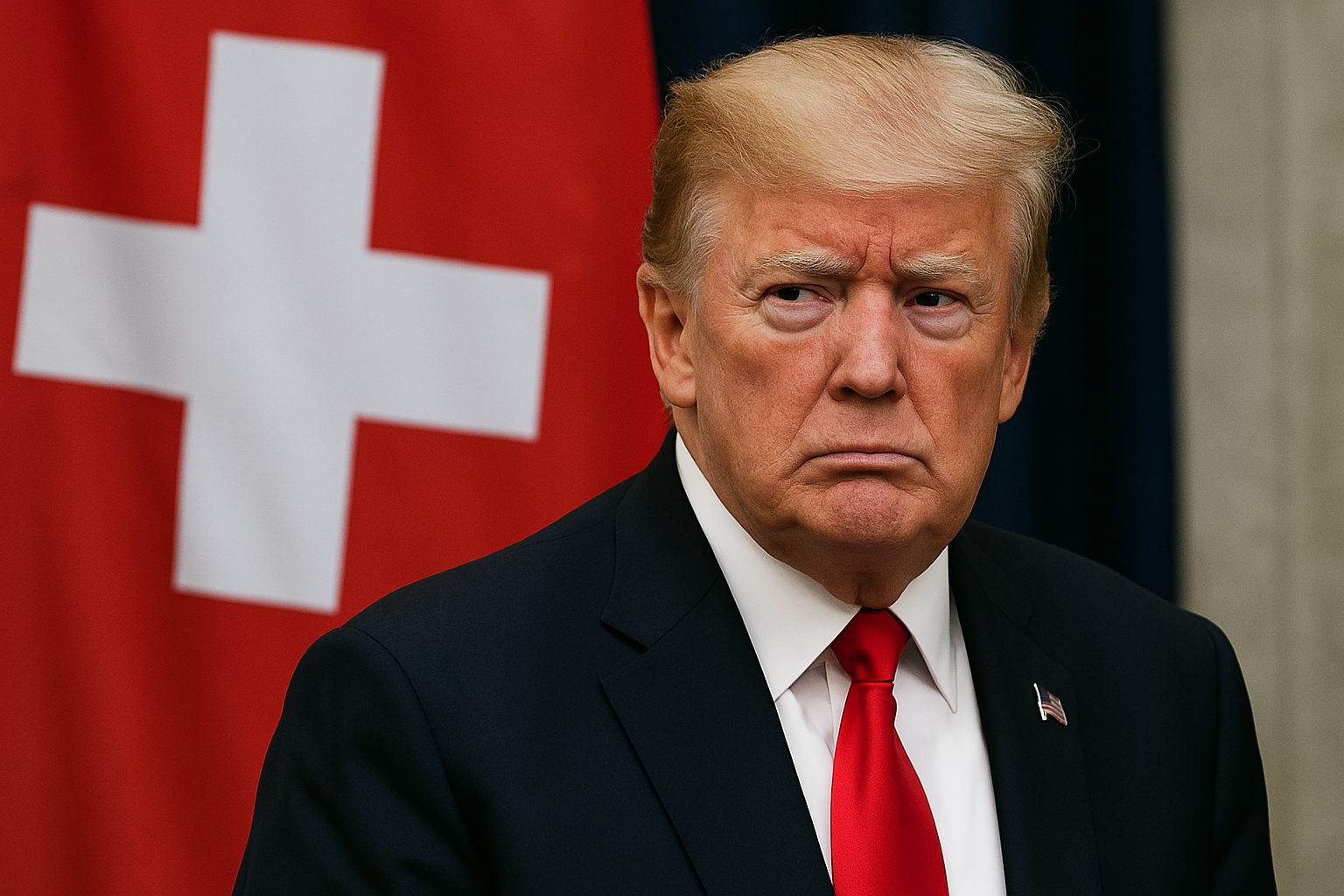
The threat of Donald Trump's return to the White House is reviving concerns over a potential sharp tightening of international trade. Among the sectors directly exposed to this ultra-protectionist vision is Swiss watchmaking. At the center of attention are Trump's promises to reinstate what he calls “reciprocal” tariffs, meaning the systematic imposition of surtaxes on foreign goods if the United States believes its exports are being treated unfairly abroad. Behind this stated logic of rebalancing lies a much more direct scenario: a trade war that, if it were to materialize, would hit a Swiss industry heavily dependent on exports head-on.
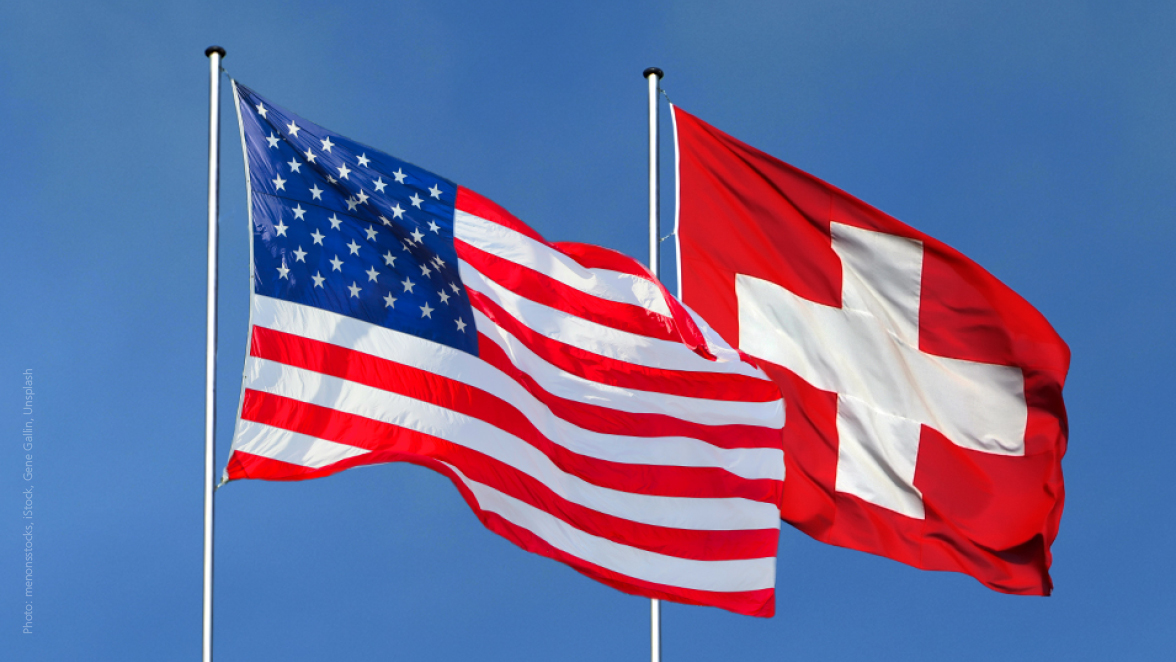
Yet 2023 had confirmed the sector's solidity. Swiss watch exports reached a record CHF 26.7 billion, with CHF 4.16 billion destined for the United States alone. The American market is not only the industry's leading outlet but also one of the few to have maintained steady growth in recent years, up 7% between 2022 and 2023. A sudden increase in import tariffs at the US border, whether by 10%, 20%, or 25%, would therefore strike at the heart of the current momentum. And contrary to what one might think, the consequences would not be limited to a few price adjustments.
The sector relies on an intentionally unbalanced structure. In terms of volume, the majority of exported Swiss watches are pieces priced under CHF 200, but these represent only a tiny fraction of the overall value. Conversely, watches priced above CHF 3,000, which are a small minority in terms of quantity, generate nearly 77% of export revenue on their own. In other words, the bulk of the industry's profitability is concentrated in the high-end and ultra-high-end segments, while the entry-level segment ensures the reach and international presence of the brands.
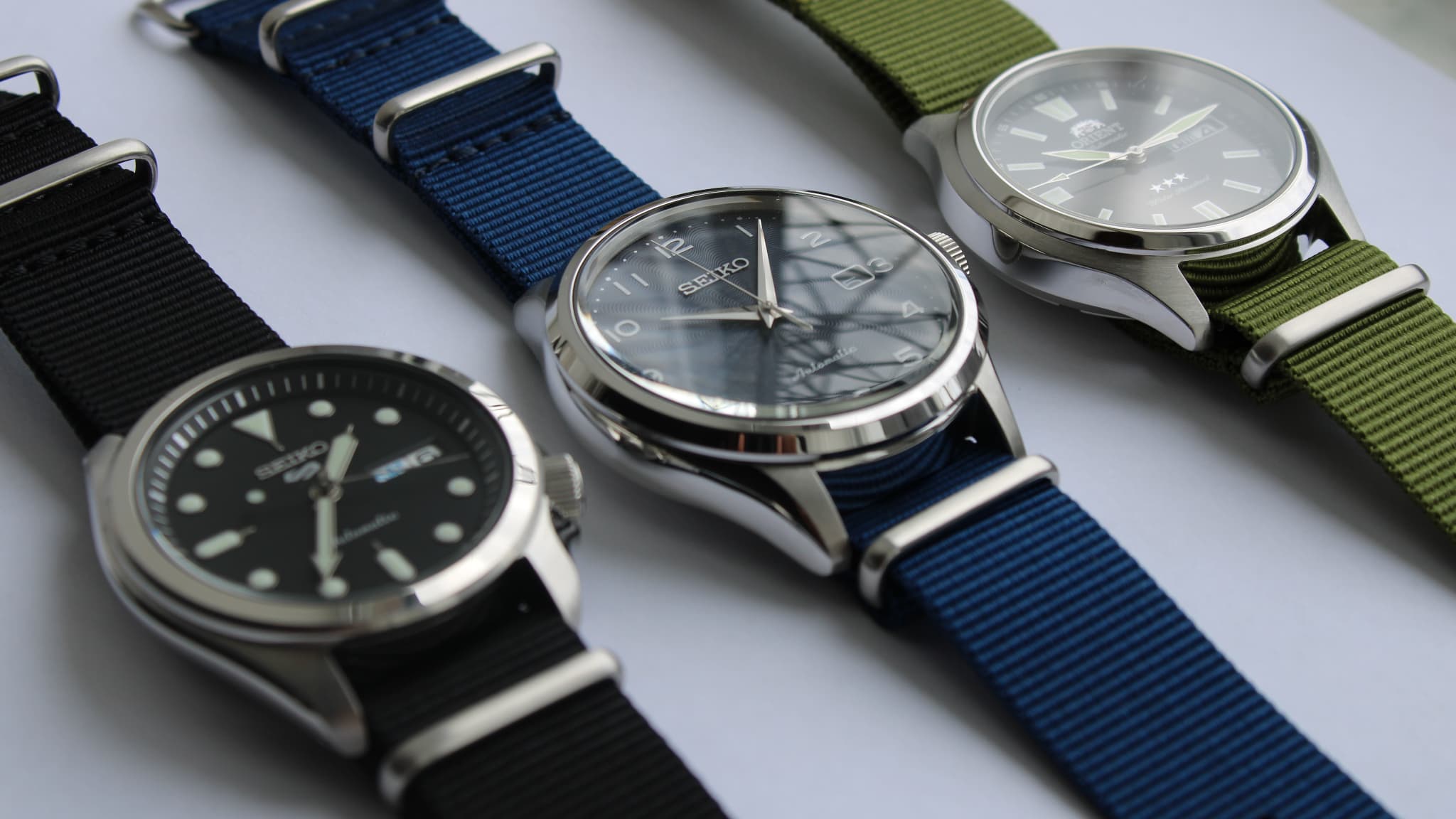
Yet it is these entry-level and mid-range segments that would be hardest hit by a surtax. In an environment where price remains a key trigger, an automatic watch sold for $700 in the United States would mechanically become far less competitive against a Seiko, a Casio, or an Apple Watch if its price suddenly jumped to $850 or $900. The consequence would be direct: a sharp decline in volumes, a weakening of the American distribution network, and a loss of visibility for Swiss brands in a segment that is nevertheless essential to their global influence.
Luxury and ultra-luxury, on the other hand, would prove more resilient. A client capable of investing $40,000 or $100,000 in a Patek Philippe, an Audemars Piguet, a Richard Mille, or a professional Rolex will not abandon their purchase over a 10% or 20% tax. But one must not confuse volume resilience with actual impact. A $10,000 surtax on a $50,000 piece is not insignificant. It will not cause structural demand to collapse, but it could slow down decision-making, delay sales, push some buyers to purchase abroad or through the grey market, or even lead them to temporarily allocate funds to other luxury assets. Beyond the economic mechanics, it is the image of seamlessness, controlled accessibility, and effortless prestige that could erode. Luxury can withstand price increases, but it does not tolerate friction in the buying experience.
Faced with such a threat, Swiss groups have very little immediate room for maneuver. Diversifying markets toward Asia or the Middle East is a logical but partial option, especially since these regions also present their own instabilities. Moving upmarket to offset losses at the entry level requires a long and costly strategic repositioning. Absorbing the tax within margins may work temporarily for the most profitable brands, but remains unsustainable in the long term. Swiss Made relies on a balance of perception and desire that tolerates neither approximation nor haste. The industry is ready to adapt, but not to sacrifice its DNA.

What if Switzerland decided to respond? Technically, it could. Politically, perhaps it should. But commercially, its room for maneuver is limited. The Swiss domestic market remains marginal in the eyes of American exporters, and a retaliatory measure, for example on spirits, clothing, or cultural goods, would have little effect on Washington. Worse, it would risk establishing a lasting climate of trade tension, damaging to all diplomatic and economic balances.
What is at stake goes far beyond export figures alone. A massive tariff on Swiss watches would mechanically weaken the product's appeal in the US market. But above all, it would send a strong symbolic message: one of declining trust, a disruption in the seamless flow of trade, and the normalization of tariff disputes in a sector where everything relies on the intangible. In luxury, you do not just sell a product. You sell a relationship, an experience, a status. This bond can weaken very quickly and takes years to rebuild.

If US trade policy were to enter a logic of systematic confrontation, Swiss watchmaking would be among the first visible victims. And as is often the case in this sector, it is the invisible damage, such as a loss of desire, the gradual disengagement of the client, and a discreet reallocation of purchasing power, that proves to be the most dangerous.

Osterman Watch
Strategic expertise for demanding watch brands
We support watchmaking houses in their digital development, visibility, and international reach
Content strategy, brand positioning, editorial consulting, high-end format production, targeted communication
An independent, specialized team at the service of your uniqueness
We understand the codes of watchmaking, the expectations of collectors, and market dynamics